 by
Introduction
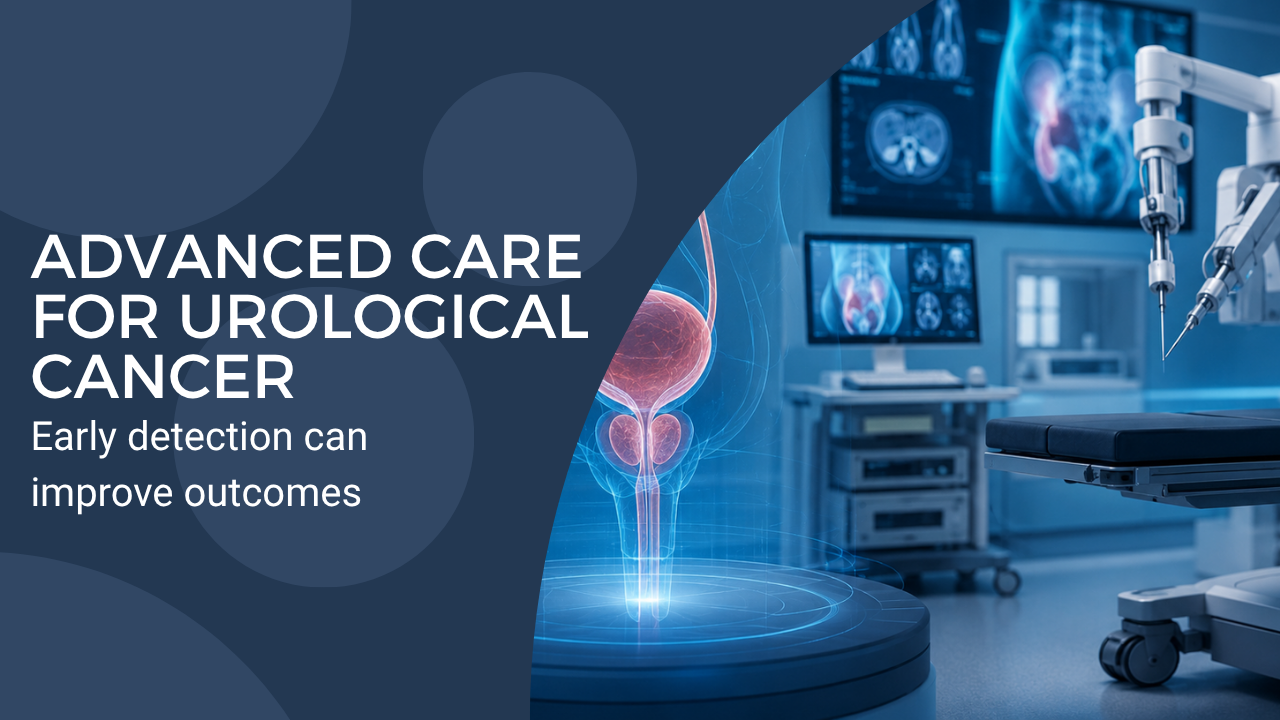
Hearing the word “cancer” can feel frightening, but an early diagnosis can change the entire treatment journey. Urological cancers affecting the kidneys, bladder, prostate, testicles, and urinary system often have better treatment outcomes when detected before they spread.
Many patients wonder, “Can urological cancer be cured?” The answer depends on the type of cancer, its stage, and overall health, but early detection often gives doctors the best opportunity for successful treatment.
Understanding warning signs, available treatments, and when to consult a specialist can help you take timely action. This guide explains how early diagnosis improves outcomes and why consulting an experienced uro-oncology specialist matters.
Why Time Is Your Best Defence: The Importance of Early Detection in Urological Cancer
Urological cancers develop in different parts of the urinary and reproductive systems. These include prostate cancer, kidney cancer, bladder cancer, testicular cancer, and cancers affecting other urinary organs.
When cancer is found early, it is often limited to its original location. This allows doctors to plan treatment before the disease becomes more difficult to control.
Early diagnosis can help because:
- The cancer may be smaller and easier to treat.
- Treatment options may be more focused.
- The chances of preserving normal organ function may improve.
- Recovery after treatment may be faster.
For example, early-stage kidney cancer may sometimes be treated by removing only the tumour while preserving the remaining healthy kidney tissue. Similarly, early bladder cancer can often be managed before it invades deeper layers of the bladder.
Can Urological Cancer Be Completely Cured If Found Early?
Many early-stage urological cancers have excellent treatment outcomes. The possibility of cure depends on several factors, including:
- The type of cancer
- The stage at diagnosis
- The location of the tumour
- The patient’s overall health
- The response to treatment
For prostate cancer detected at an early stage, treatment options such as surgery or radiation therapy may offer long-term disease control and, in many cases, complete removal of cancer.
Kidney and bladder cancers diagnosed before spreading outside the affected organ may also have successful treatment outcomes with appropriate medical care.
This is why ignoring symptoms or delaying consultation can reduce available treatment options.
Understanding Your Options: Common Urological Cancers and Their Treatments
Every urological cancer requires an individualised treatment approach. A specialist evaluates the cancer stage and recommends the most suitable option.
Prostate Cancer Treatment
Prostate cancer is one of the most commonly diagnosed urological cancers in men. Some prostate cancers grow slowly, while others may require active treatment.
Depending on the condition, treatment may include:
- Active surveillance for selected low-risk cases
- Robotic or minimally invasive prostate surgery
- Radiation therapy
- Hormonal therapy
A detailed evaluation by a qualified specialist helps determine whether immediate treatment or monitoring is appropriate.
Kidney Cancer Treatment
Kidney cancer may not show noticeable symptoms during the early stages. Many cases are detected during imaging tests performed for other health concerns.
Treatment may include:
- Partial nephrectomy, where only the tumour is removed
- Radical nephrectomy, where the affected kidney is removed
- Targeted medicines or immunotherapy for advanced cases
Modern surgical techniques allow doctors to perform precise procedures while focusing on preserving kidney function whenever possible.
Bladder Cancer Treatment
Blood in urine is one of the most important warning signs of bladder cancer.
Treatment depends on how deeply the cancer has affected the bladder wall. Options may include:
- Removal of bladder tumours through minimally invasive procedures
- Medicines delivered directly into the bladder
- Surgery or systemic treatments for advanced disease
Early evaluation can help identify bladder cancer before it progresses.
Early Warning Signs of Urological Cancer You Should Not Ignore
Many people delay medical advice because symptoms appear mild or occasional. But some changes should always be evaluated by a specialist.
Seek medical advice if you notice:
- Blood in urine
- Difficulty passing urine
- Frequent urination, especially at night
- Persistent pain in the lower back or pelvic region
- Unexplained weight loss
- Changes in urinary habits
- A lump or swelling in the testicle
Does blood in urine always mean cancer? No. It can also happen due to infections, kidney stones, or other conditions. But because it can be an early sign of urinary cancer, it should never be ignored.
A timely consultation can help identify the actual cause and prevent delays in treatment.
How Modern Robotic Surgery Has Changed Urological Cancer Treatment
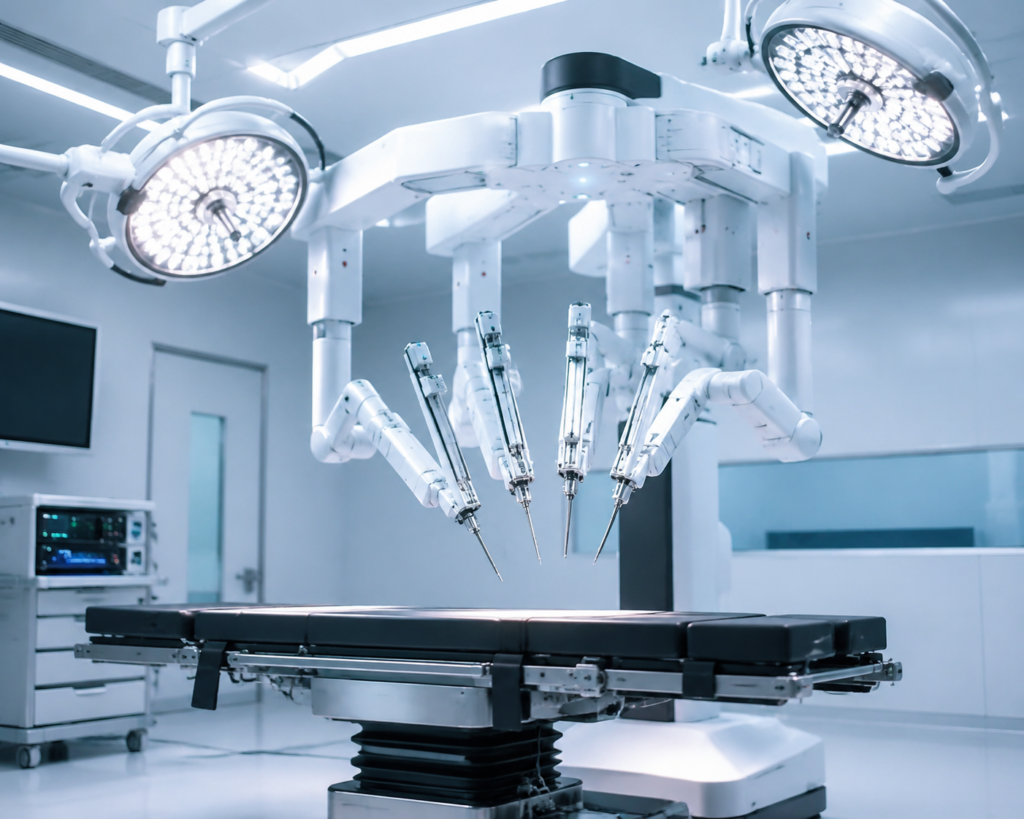
Advances in technology have improved the way many urological cancers are treated. Robotic-assisted procedures allow surgeons to perform complex surgeries with enhanced precision.
Uro Oncology Robotic Surgery in Mumbai has become an important treatment option for selected patients because it may offer benefits such as:
- Smaller surgical cuts
- Reduced blood loss
- Better visibility during surgery
- Faster recovery in suitable cases
- Greater precision while operating around important structures
Robotic surgery is not required for every patient. A specialist decides whether it is suitable based on cancer type, stage, and individual health factors.
Experienced specialists such as Dr. Varun V. Agarwal focus on selecting the right treatment approach for every patient rather than using a single method for all cases.
Choosing the Right Specialist for Urological Cancer Treatment
Cancer treatment requires medical expertise, proper diagnosis, and a personalised approach.
A Uro-Oncologist in Mumbai specialises in diagnosing and treating cancers affecting the urinary system. They work closely with patients to understand the disease stage and explain available treatment options.
Dr. Varun V. Agarwal provides specialised care for various urological cancers, including prostate, kidney, and bladder cancers, with a focus on advanced surgical techniques and patient-centred treatment planning.
Consulting the right specialist early can help you understand your condition clearly and make informed decisions about your treatment.
Frequently Asked Questions About Urological Cancer
1. Can urological cancer be cured completely?
Early-stage urological cancers often have better chances of successful treatment. The possibility of cure depends on the cancer type, stage, and response to treatment.
2. What is the earliest symptom of urological cancer?
Symptoms vary depending on the cancer type. Blood in urine, changes in urination, and unexplained urinary problems are some signs that need medical evaluation.
3. Does blood in urine always indicate bladder cancer?
No. Blood in urine can occur due to infections, stones, or other conditions. But it should always be checked because it can sometimes indicate bladder or kidney cancer.
4. When should I consult a uro-oncology specialist?
You should consider consulting a specialist if you experience persistent urinary symptoms, blood in urine, abnormal imaging findings, or have risk factors for urological cancer.
5. Is robotic surgery safe for urological cancers?
Robotic surgery can be a safe option for selected patients when performed by an experienced surgeon. Your doctor will decide if it is suitable based on your condition.
Conclusion
Urological cancers can often be treated successfully when detected at an early stage. Paying attention to warning signs, undergoing timely evaluation, and consulting an experienced specialist can significantly improve treatment possibilities.
Advances such as robotic-assisted surgery, targeted therapies, and personalised treatment planning have expanded options for many patients. If you notice changes in your urinary health or have concerns about cancer symptoms, seek advice from a qualified uro-oncology specialist. Early evaluation gives you more choices and helps you take the right step toward better health.