 by
Introduction
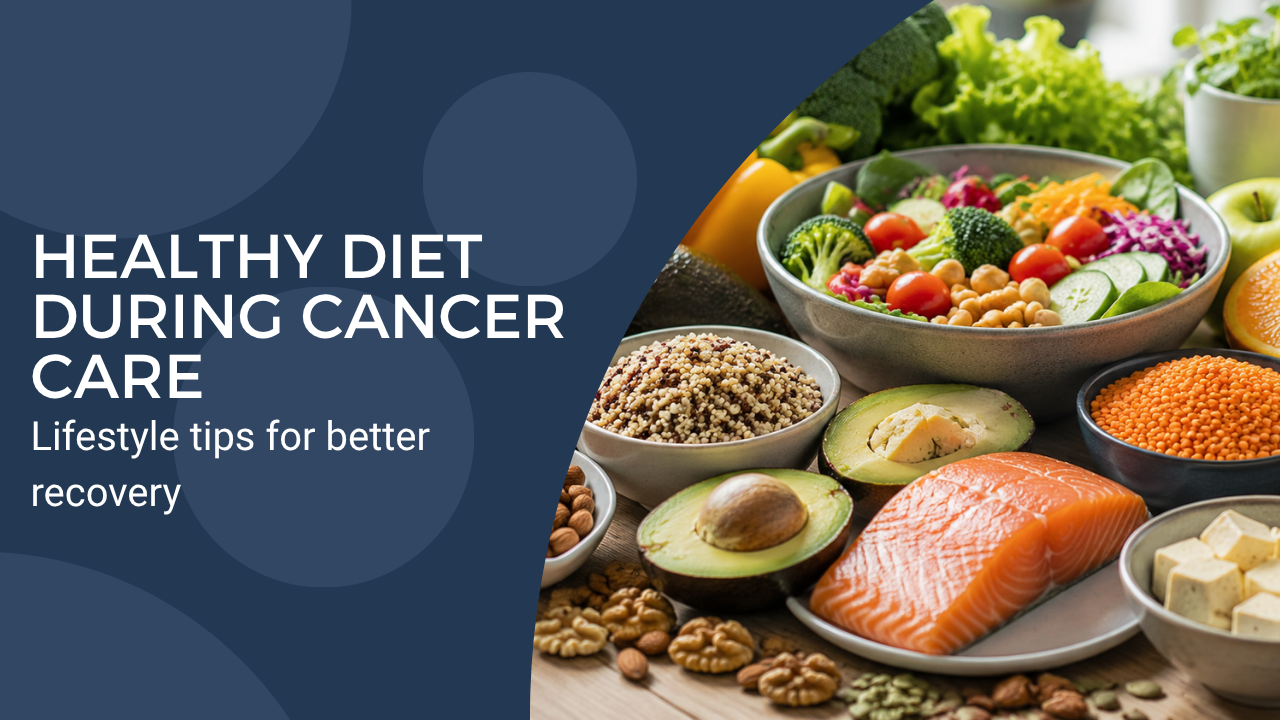
A urological cancer diagnosis involving the prostate, kidney, bladder, or testicles can change how you think about your health, food, and daily routine. While your medical team focuses on cancer treatment, your diet and lifestyle choices can help support recovery, maintain strength, and improve your quality of life.
The right approach depends on your cancer type, treatment plan, kidney function, and overall health. A patient undergoing treatment under a Uro-Oncologist in Mumbai may receive different dietary guidance based on whether they have prostate cancer, bladder cancer, kidney cancer, or another urological condition.
This guide explains practical diet and lifestyle changes that can support your body during treatment, including organ-specific nutrition advice, hydration guidance, exercise recommendations, and answers to common patient concerns.
Why Diet and Lifestyle Matter During Urological Cancer Treatment
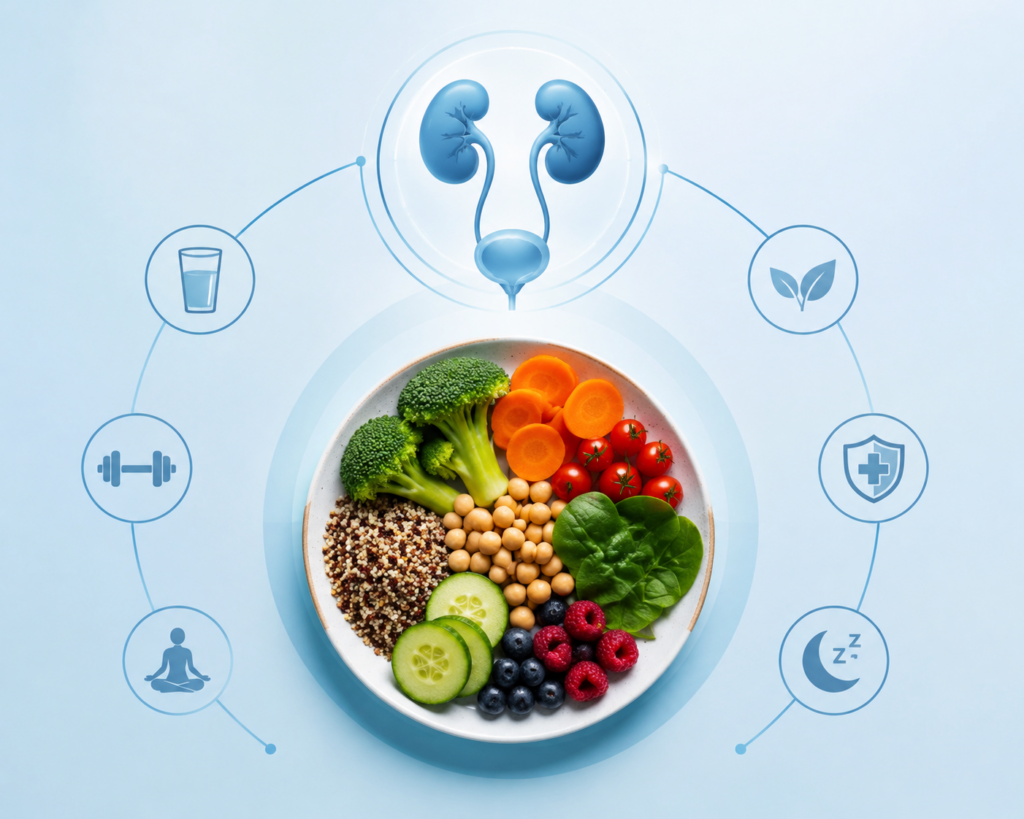
Cancer treatment can place physical stress on your body. Surgery, chemotherapy, radiation therapy, and targeted therapies may affect your appetite, digestion, energy levels, and muscle strength.
A supportive lifestyle can help you:
- Maintain healthy body weight
- Preserve muscle strength
- Improve recovery after surgery
- Manage treatment-related side effects
- Support overall physical and emotional well-being
Your food choices cannot replace cancer treatment, but they can help your body stay prepared to handle treatment and recovery.
1. Follow Cancer-Specific Nutrition Instead of a One-Size-Fits-All Diet
Different urological cancers affect different organs. Your nutritional needs should match your diagnosis.
Diet Tips for Prostate Cancer Patients
Prostate cancer patients often focus on foods that support overall prostate health.
Foods that may be included as part of a balanced diet include:
- Tomatoes and cooked tomato products containing lycopene
- Watermelon and other lycopene-rich fruits
- Broccoli, cauliflower, and other cruciferous vegetables
- Whole grains
- Healthy fats from nuts, seeds, and fish
Research has explored the role of lycopene and plant-based foods in prostate health. These foods should be considered supportive choices and not a replacement for medical treatment.
Patients undergoing procedures such as robotic prostate surgery under Uro Oncology Robotic Surgery in Mumbai may also need nutritional support to maintain strength during recovery.
Diet Considerations for Kidney Cancer Patients
Kidney cancer patients require more personalised dietary planning, especially after kidney surgery.
If you have undergone partial or radical nephrectomy, your remaining kidney may need additional care.
Your doctor may advise adjustments in:
- Protein intake
- Salt consumption
- Potassium-rich foods
- Phosphorus intake
- Fluid intake
Foods that are generally healthy, such as bananas, spinach, and nuts, may need monitoring in some patients with reduced kidney function.
Always discuss dietary changes with your healthcare team before making major adjustments.
Diet Considerations for Bladder Cancer Patients
The bladder stores urine, which means certain substances filtered through the kidneys can remain in contact with the bladder lining.
Helpful dietary habits include:
- Eating more fruits and vegetables
- Reducing processed meats
- Maintaining adequate hydration if permitted
- Avoiding tobacco exposure
Bladder cancer patients should focus on reducing factors that may irritate the urinary system and supporting overall health.
2. Understand Your Fluid Needs
Hydration advice is different for every urological cancer patient.
For some bladder cancer patients, drinking enough water may help dilute urine and reduce prolonged exposure of the bladder lining to concentrated waste products.
For kidney cancer patients, especially those with reduced kidney function or after kidney removal, excessive fluid intake may not always be appropriate.
Your required fluid intake depends on:
- Kidney function
- Type of surgery
- Current treatment
- Blood test results
- Other medical conditions
Ask your doctor how much water is suitable for your condition rather than following general recommendations.
3. Choose Foods That Support Recovery and Avoid Those That Add Stress
A healthy diet during cancer treatment focuses on providing nutrients while reducing unnecessary strain on your body.
Reduce Processed Foods
Processed meats such as sausages, bacon, and certain packaged meat products are associated with increased cancer risk and may not be suitable choices for regular consumption.
Limit:
- Packaged snacks
- Excess salty foods
- Sugary beverages
- Highly processed meals
Control Salt Intake
Your kidneys help regulate fluid balance and remove waste from the body.
Excess salt can increase the workload on the kidneys and may contribute to blood pressure problems.
Choose:
- Freshly prepared meals
- Herbs and spices for flavour
- Low-salt cooking methods
Include Protein Wisely
Protein helps repair tissues and maintain muscle mass.
Good sources include:
- Dal and pulses
- Eggs
- Fish
- Lean meat
- Paneer
- Curd
- Soy products
The right amount depends on your kidney function and treatment stage.
4. Stay Active and Support Your Recovery
Many patients reduce physical activity after diagnosis because of fatigue or fear. But suitable movement can support recovery and improve daily functioning.
Physical activity may help with:
- Maintaining muscle strength
- Improving mood
- Supporting better sleep
- Reducing treatment-related fatigue
Start with activities suitable for your condition, such as:
- Walking
- Gentle stretching
- Light strengthening exercises
Do Not Ignore Pelvic Floor Health
Patients undergoing prostate or bladder cancer surgery may experience urinary leakage after treatment.
Pelvic floor exercises, also called Kegel exercises, can help strengthen muscles that control urination.
A pelvic floor physiotherapist can guide you about:
- Correct exercise technique
- Recovery timeline
- Managing urinary symptoms
These exercises are an important part of rehabilitation after certain urological procedures.
5. Quit Smoking and Understand Its Impact on Urological Cancer
Smoking is one of the strongest risk factors associated with bladder cancer.
The reason is simple:
When you smoke, harmful chemicals enter your bloodstream. Your kidneys filter these substances, and they collect in urine stored inside the bladder. These chemicals can repeatedly affect bladder cells and increase the risk of cancer development.
Stopping smoking after diagnosis can support recovery and reduce the chances of future health problems.
If quitting feels difficult, speak with your healthcare team about available support options.
6. Take Care of Your Emotional Health During Treatment
Urological cancer can affect confidence, independence, and emotional well-being.
Concerns about surgery, urinary changes, sexual health, or treatment outcomes are common.
Helpful steps include:
- Discussing concerns openly with your doctor
- Staying connected with family and friends
- Following a regular daily routine
- Seeking professional counselling when needed
A trusted specialist such as Dr. Varun V. Agarwal, a urological cancer specialist, can help patients understand treatment options and make informed decisions about their care.
FAQs About Diet and Lifestyle for Urological Cancer Patients
1. Can diet cure urological cancer?
No. Diet cannot cure cancer. Medical treatments such as surgery, chemotherapy, radiation, or targeted therapy remain the main methods for treating cancer. A healthy diet supports your body during treatment.
2. What foods are good for prostate cancer patients?
Foods containing lycopene, such as cooked tomatoes and watermelon, along with vegetables like broccoli and cauliflower, can be included as part of a balanced diet.
3. How much water should I drink after kidney cancer surgery?
Fluid requirements vary depending on kidney function and surgery type. Patients with one kidney may need personalised advice from their doctor.
4. Should bladder cancer patients drink more water?
Some bladder cancer patients may benefit from adequate hydration, but the right amount depends on their medical condition and treatment plan.
5. Are dairy products harmful for prostate cancer patients?
Current evidence does not support completely avoiding dairy for all prostate cancer patients. Your overall diet pattern and individual health condition matter more.
Conclusion
Diet and lifestyle choices can become an important part of your urological cancer care journey. The right approach depends on your cancer type, treatment, kidney health, and personal needs. Instead of following general diet advice, work with your healthcare team to create a plan that supports your recovery.
Advances in treatments such as Uro Oncology Robotic Surgery in Mumbai have improved surgical outcomes for many patients, but recovery also depends on maintaining healthy habits after treatment. With proper guidance, informed food choices, regular activity, and emotional support, you can take an active role in your health journey.