 by
Completing prostate cancer surgery is a significant milestone, but it’s not the end of your journey—it’s the beginning of recovery. Many patients are relieved that the cancer has been treated, yet they often have questions about returning to normal life.
How long will recovery take?
When can I return to work?
Will I regain bladder control?
Can I exercise again?
These concerns are completely normal. The good news is that with proper post-operative care, healthy lifestyle habits, and regular follow-up, most men gradually return to their daily routines and enjoy a good quality of life.
If you’ve recently undergone Prostate Cancer Surgery in Mumbai or are preparing for surgery, this guide explains what to expect during recovery and how you can support your healing process.
The First Few Days After Surgery
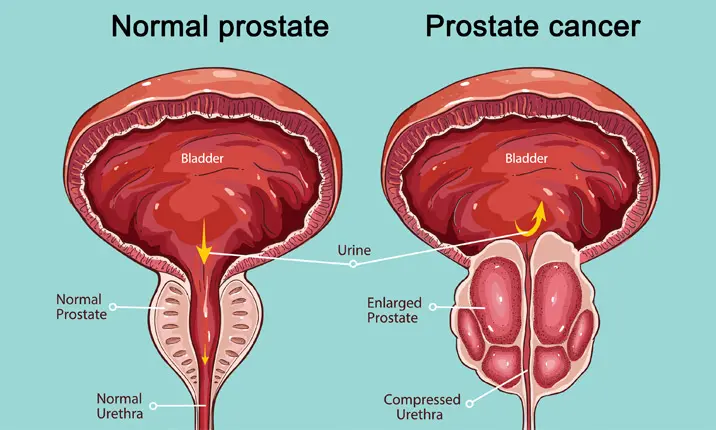
Immediately after prostate cancer surgery, your body needs time to heal.
Depending on the type of surgery—especially minimally invasive or robotic-assisted procedures—you may stay in the hospital for a short period before being discharged.
During the first few days, it’s common to experience:
- Mild pain or discomfort around the surgical site
- Fatigue
- A urinary catheter for a short duration
- Temporary swelling
- Reduced physical activity
These are expected parts of the healing process and usually improve steadily over time.
Understanding the Recovery Timeline
Every patient heals at a different pace, but having a general idea of what to expect can help reduce anxiety.
Week 1–2: Focus on Healing
The first two weeks are primarily about rest and gentle movement.
During this period:
- The urinary catheter is usually removed based on your surgeon’s advice.
- Walking for short distances is encouraged.
- Heavy lifting and strenuous activities should be avoided.
- Fatigue is common, so listen to your body and rest when needed.
Week 3–6: Gradual Return to Routine
As healing progresses, most patients begin to regain strength.
You may gradually:
- Increase your walking distance
- Resume light household activities
- Return to desk-based work if approved by your doctor
- Continue pelvic floor exercises regularly
Recovery varies from person to person, so avoid comparing your progress with others.
Beyond Six Weeks
Many patients can slowly resume most daily activities, although complete recovery—especially regarding urinary control and sexual function—may take several months.
Regular follow-up appointments help ensure that healing is progressing as expected.
Managing Urinary Control
One of the most common concerns after prostate cancer surgery is temporary urinary leakage.
This happens because the muscles involved in bladder control need time to recover after surgery.
What Can Help?
- Perform pelvic floor (Kegel) exercises as instructed.
- Stay hydrated instead of limiting fluids excessively.
- Avoid bladder irritants such as excessive caffeine and alcohol.
- Use absorbent pads temporarily if needed.
For most men, bladder control improves gradually over the weeks and months following surgery, although the timeline varies.
Sexual Health After Surgery
Changes in erectile function are another common concern.
Recovery depends on several factors, including:
- Age
- Overall health
- Nerve preservation during surgery
- Pre-existing erectile function
It’s important to remember that recovery may take time.
Doctors may recommend:
- Penile rehabilitation programs
- Oral medications
- Vacuum erection devices
- Other supportive treatments when appropriate
Open communication with your doctor and partner can make this aspect of recovery easier to manage.
Nutrition: Fuel Your Recovery
Your body needs proper nutrition to heal after surgery.
A balanced diet supports wound healing, improves energy levels, and helps prevent constipation, which can be common after surgery.
Include More Of:
- Fresh fruits
- Vegetables
- Whole grains
- Lean proteins
- Healthy fats
- Plenty of water
Limit:
- Processed foods
- Sugary beverages
- Excess alcohol
- Smoking
Eating smaller, balanced meals throughout the day may also help if your appetite is reduced during the early recovery phase.
Exercise: Start Slowly, Stay Consistent
Physical activity is an important part of recovery, but timing matters.
In the Early Weeks
Gentle walking is one of the best exercises after surgery because it:
- Improves circulation
- Reduces the risk of blood clots
- Helps bowel function
- Builds stamina
As Recovery Progresses
With your doctor’s approval, you can gradually return to:
- Brisk walking
- Light stretching
- Swimming
- Low-impact exercise
Avoid heavy lifting and high-intensity workouts until your surgeon confirms it is safe.
Emotional Recovery Is Equally Important
Cancer treatment affects more than just the body.
Some men experience:
- Anxiety
- Fear of recurrence
- Mood changes
- Reduced confidence
- Stress related to urinary or sexual changes
These feelings are common and should never be ignored.
Talking with your healthcare team, family, or a support group can help you adjust emotionally during recovery.
Returning to Work
Many patients ask when they can resume work.
The answer depends on:
- Your occupation
- The type of surgery performed
- Your overall recovery
People with desk-based jobs often return earlier than those whose work involves physical labour.
Your surgeon will guide you based on your individual progress.
Why Follow-Up Appointments Matter
Even after successful surgery, follow-up care remains essential.
Regular reviews help your doctor:
- Monitor PSA levels
- Assess recovery
- Detect recurrence early
- Manage any ongoing side effects
Attending scheduled appointments is one of the most important parts of long-term prostate cancer care.
Lifestyle Habits That Support Long-Term Health
Recovery doesn’t end once the surgical wound heals.
Healthy habits can improve your overall well-being and support long-term recovery.
Healthy Lifestyle Tips
- Maintain a healthy body weight.
- Exercise regularly.
- Eat a balanced diet rich in plant-based foods.
- Quit smoking if you smoke.
- Limit alcohol intake.
- Get adequate sleep.
- Manage stress through relaxation techniques or hobbies.
These habits contribute to overall health and may help reduce the risk of other chronic illnesses.
When Should You Contact Your Doctor?
Although most patients recover without major problems, you should seek medical advice if you experience:
- Fever or chills
- Heavy bleeding
- Severe pain
- Difficulty passing urine after catheter removal
- Increasing redness or swelling around the wound
- Persistent vomiting
- Shortness of breath or leg swelling
Prompt medical attention can help prevent complications.
The Importance of Expert Follow-Up Care
Recovery after prostate cancer surgery doesn’t stop when you leave the hospital.
Long-term success depends on:
- Careful monitoring
- Personalized rehabilitation
- Managing side effects
- Regular PSA testing
Patients often choose Dr. Varun Agarwal for comprehensive prostate cancer care and long-term follow-up.
With expertise in advanced uro-oncology and minimally invasive surgical techniques, he focuses on helping patients recover safely while maintaining the best possible quality of life after Prostate Cancer Surgery in Mumbai.
Frequently Asked Questions (FAQs)
Most patients resume light daily activities within a few weeks, while complete recovery, including improvement in urinary control and sexual function, may take several months.
Yes. Temporary urinary incontinence is common after prostate surgery and usually improves with time and regular pelvic floor exercises.
Gentle walking is encouraged soon after surgery. More strenuous activities should only be resumed after your surgeon confirms it is safe.
Yes. Most men gradually return to work, exercise, travel, and their normal daily routine after recovery, although recovery timelines differ for each individual.
PSA testing helps monitor your recovery after surgery and can detect signs of recurrence at an early stage, allowing timely intervention.
Final Thoughts
Recovering from prostate cancer surgery is a gradual process that involves physical healing, emotional adjustment, and long-term follow-up. While the first few weeks require patience, most men steadily regain their strength and return to their regular activities with the right guidance and support.
If you are considering or recovering from Prostate Cancer Surgery in Mumbai, consulting an experienced specialist like Dr. Varun Agarwal can ensure you receive personalized care at every stage—from surgery and rehabilitation to long-term survivorship—helping you achieve the best possible recovery and quality of life.