 by
Introduction
Many patients believe that bladder cancer treatment marks the end of their cancer journey. While treatment can successfully remove or control cancer, bladder cancer can return in some cases. This is known as recurrence. Understanding why recurrence happens, how doctors monitor it, and what treatments are available can help patients make informed decisions after treatment.
Bladder cancer recurrence depends on factors such as cancer type, stage, tumor grade, and response to treatment. Non-muscle-invasive bladder cancer and muscle-invasive bladder cancer have different recurrence patterns and require different follow-up approaches.
What Is Bladder Cancer Recurrence?
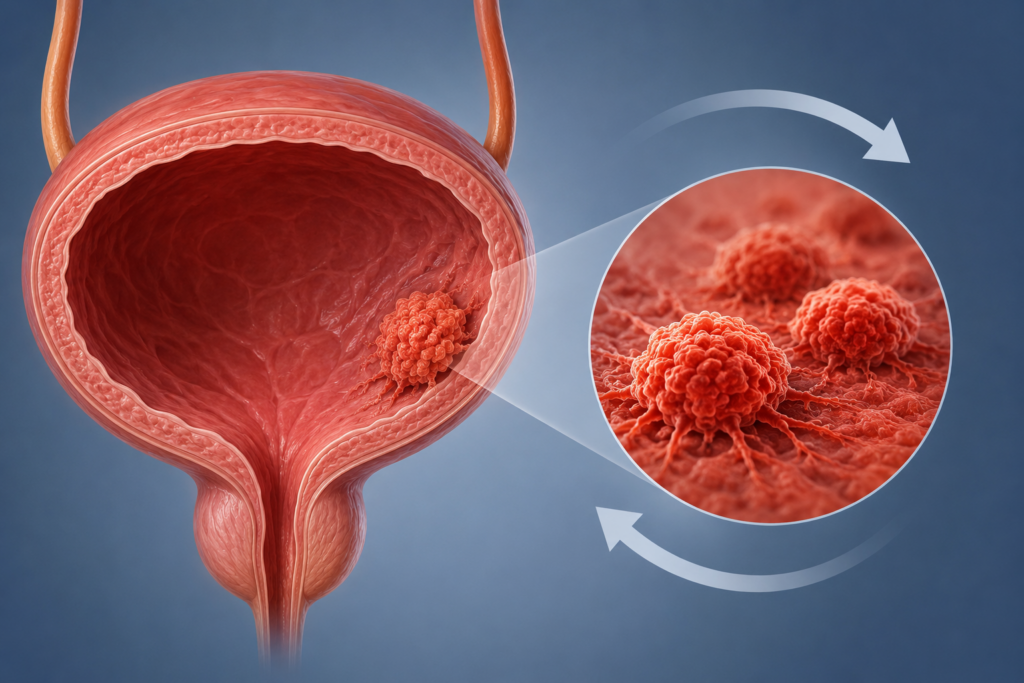
Bladder cancer recurrence means that cancer cells are detected again after a period when no cancer was found following treatment.
The bladder cancer recurrence risk depends mainly on whether the cancer was:
Non-Muscle-Invasive Bladder Cancer (NMIBC)
Non-muscle-invasive bladder cancer affects the inner layers of the bladder and does not involve the bladder muscle.
Around 50% to 70% of NMIBC cases may recur within five years, depending on tumor characteristics and risk category.
Some tumors have a lower chance of returning, while high-risk tumors such as high-grade Ta, T1 tumors, or carcinoma in situ require closer monitoring because they have a higher risk of progression.
Muscle-Invasive Bladder Cancer (MIBC)
Muscle-invasive bladder cancer spreads into the bladder muscle layer. It has a higher risk of spreading outside the bladder compared with NMIBC.
Treatment decisions for MIBC are usually more intensive and may include chemotherapy, bladder removal surgery, radiation, or newer systemic therapies.
A Uro-Oncologist in Mumbai evaluates these factors carefully to determine the recurrence risk and create an appropriate follow-up plan.
Why Does Bladder Cancer Come Back After Treatment?
Bladder cancer recurrence can happen because microscopic cancer cells may remain after treatment even when no visible tumor is detected.
Several factors influence recurrence risk:
Tumor Grade and Stage
The grade shows how abnormal the cancer cells appear under a microscope. High-grade tumors tend to grow faster and have a greater chance of returning.
The stage explains how deeply the cancer has grown into the bladder wall. A small low-grade tumor and a high-grade T1 tumor may require very different treatment strategies.
Multiple or Large Tumors
Patients with multiple bladder tumors or larger tumors often have a higher chance of recurrence compared with patients who had a single small tumor.
Previous Recurrence History
If bladder cancer has returned multiple times before, doctors consider the patient at higher risk and may recommend more frequent surveillance.
Smoking and Chemical Exposure
Smoking remains one of the strongest risk factors linked with bladder cancer. Cigarette chemicals enter the bloodstream and are filtered through the kidneys before reaching the bladder.
People working with certain industrial chemicals, including aromatic amines, dyes, and rubber-related substances, may also have increased exposure risks.
How Do Doctors Monitor for Bladder Cancer Recurrence?
Regular surveillance is one of the most important parts of life after bladder cancer treatment.
The follow-up schedule depends on your cancer risk category.
Cystoscopy
Cystoscopy allows doctors to directly examine the inside of the bladder using a thin camera.
For many high-risk NMIBC patients, doctors may recommend:
- Cystoscopy every 3 to 6 months during the first two years
- Continued monitoring every 6 to 12 months after that if results remain clear
Lower-risk patients may require fewer examinations.
Urine Cytology
Urine cytology checks urine samples for abnormal cancer cells.
It is more useful for detecting high-grade tumors but may not always identify low-grade bladder cancers. This is why cystoscopy remains an important part of surveillance.
Imaging Tests
CT scans, MRI scans, or other imaging tests may be suggested for patients with higher-risk disease or symptoms that suggest cancer may have spread.
Long-Term Follow-Up Matters
Bladder cancer can recur even years after treatment. Regular appointments help doctors identify changes early and adjust treatment when needed.
What Happens If Bladder Cancer Returns?
Treatment depends on where the cancer returns, its stage, tumor characteristics, and previous treatments.
Treatment for Recurrent Non-Muscle-Invasive Bladder Cancer
If cancer returns only inside the bladder lining, treatment may include:
Repeat TURBT
Transurethral resection of bladder tumor (TURBT) is commonly performed to remove visible tumors from the bladder.
Intravesical Therapy
Intravesical treatment delivers medicine directly into the bladder through a catheter.
Common options include:
BCG Therapy
Bacillus Calmette-Guérin (BCG) is an immunotherapy placed directly into the bladder. It helps activate the immune system to attack cancer cells and is widely used for high-risk NMIBC.
Intravesical Chemotherapy
Medicines such as mitomycin or gemcitabine may be placed inside the bladder to reduce the chance of recurrence after tumor removal.
Treatment When Cancer Becomes Muscle-Invasive
If a previously non-muscle-invasive cancer returns as a muscle-invasive disease, treatment planning changes significantly.
Doctors may consider:
- Radical cystectomy, which involves removing the bladder
- Chemotherapy before or after surgery
- Immunotherapy or targeted treatments in selected cases
Advanced procedures such as Uro Oncology Robotic Surgery in Mumbai may be considered for eligible patients who require minimally invasive surgical approaches.
What Can Patients Do to Reduce Recurrence Risk?
Although recurrence cannot always be prevented, certain steps may support better bladder health.
Stop Smoking
Quitting smoking reduces exposure to cancer-causing chemicals and supports overall recovery.
Maintain Good Hydration
Drinking enough fluids helps maintain regular urine flow and reduces the time harmful substances remain in contact with the bladder lining.
Your doctor can suggest an appropriate fluid intake based on your kidney function, heart health, and other medical conditions.
Follow Workplace Safety Measures
If your work involves chemicals linked with bladder cancer risk, follow protective measures such as using safety equipment and reducing direct exposure.
Attend Every Follow-Up Appointment
Skipping surveillance appointments can delay the detection of recurrence. Early identification allows doctors to discuss treatment options sooner.
When Should You Contact a Doctor?
After bladder cancer treatment, speak with your healthcare provider if you notice:
- Blood in urine
- Burning sensation during urination
- Increased urinary frequency or urgency
- Difficulty passing urine
- Persistent pelvic or lower back discomfort
- Unexplained weight loss or fatigue
These symptoms do not always mean cancer has returned, but they should be evaluated, especially in people with a previous bladder cancer diagnosis.
FAQs About Bladder Cancer Recurrence
Can bladder cancer return after successful treatment?
Yes. Bladder cancer can recur after successful treatment, especially in patients with high-risk tumor features. Regular surveillance helps detect recurrence early.
How likely is bladder cancer to come back?
The risk depends on cancer type, stage, grade, and previous treatment. Non-muscle-invasive bladder cancer has a higher recurrence rate compared with many other cancer types.
How often should cystoscopy be done after bladder cancer treatment?
The schedule depends on your risk category. Many high-risk patients undergo cystoscopy every 3 to 6 months during the first two years, followed by longer intervals if no recurrence is found.
Does BCG treatment prevent bladder cancer recurrence?
BCG therapy can reduce recurrence risk and lower the chance of disease progression in many high-risk non-muscle-invasive bladder cancer patients.
Is recurrent bladder cancer curable?
Some recurrent bladder cancers can be treated successfully. The outcome depends on whether the recurrence is limited to the bladder or has spread to other areas.
Conclusion
Bladder cancer recurrence is a possibility that requires ongoing attention after treatment. Understanding your cancer type, risk level, and follow-up schedule helps you stay prepared. Regular cystoscopy, appropriate treatments such as intravesical BCG when needed, and timely medical consultations play an important role in managing recurrence.
If you are looking for expert guidance regarding Bladder Cancer treatment in Mumbai, consulting an experienced specialist such as Dr. Varun V. Agarwal can help you understand your treatment options and follow-up requirements. Regular monitoring and personalised care can support better outcomes after bladder cancer treatment.