 by
Bladder cancer is one of the most common cancers affecting the urinary system. While it can often be treated successfully when detected early, understanding what causes it and identifying risk factors is essential for prevention and timely diagnosis.
Many patients are unaware of the underlying causes of bladder cancer until symptoms appear. However, knowing the contributing factors can help you take proactive steps to reduce your risk and seek medical attention when needed.
In this article, we explain the causes of bladder cancer, key risk factors, and when to consult a specialist for proper evaluation.
What Is Bladder Cancer?
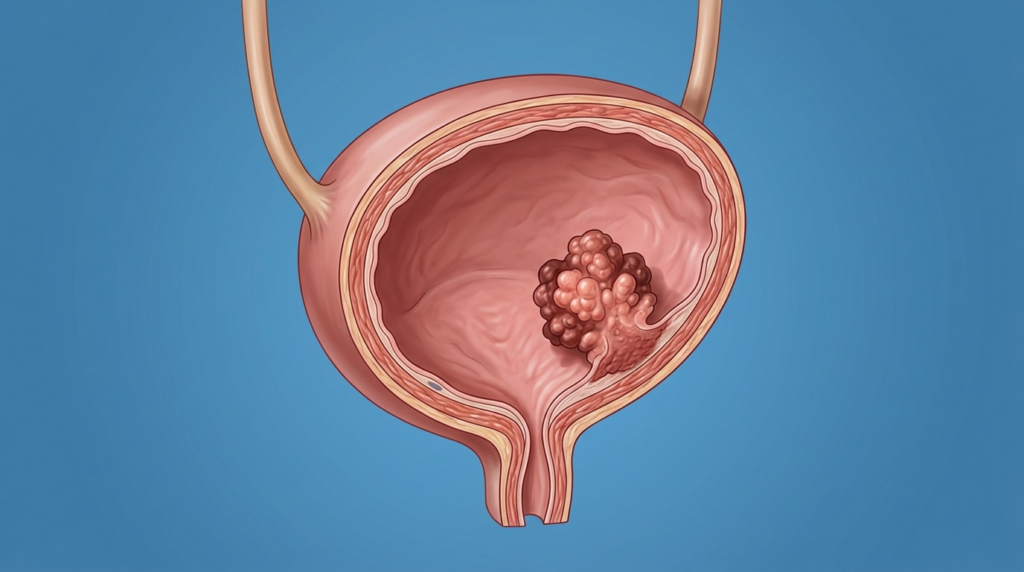
Bladder cancer occurs when abnormal cells grow uncontrollably in the lining of the bladder. The most common type is urothelial carcinoma, which starts in the inner lining of the bladder.
Over time, these abnormal cells can grow deeper into the bladder wall and potentially spread to other parts of the body if not treated early.
What Causes Bladder Cancer?
There is no single cause of bladder cancer. Instead, it usually develops due to a combination of genetic, environmental, and lifestyle factors.
One of the primary reasons is exposure to harmful substances that accumulate in the bladder over time. These substances can damage the cells lining the bladder, leading to abnormal growth.
Major Risk Factors for Bladder Cancer
1. Smoking (Most Significant Risk Factor)
Smoking is the leading cause of bladder cancer.
Tobacco contains harmful chemicals that enter the bloodstream and are filtered by the kidneys. These chemicals then accumulate in the urine and damage the bladder lining.
Smokers are significantly more likely to develop bladder cancer compared to non-smokers.
2. Exposure to Industrial Chemicals
People who work in industries such as:
- Dye manufacturing
- Rubber
- Leather
- Paints and chemicals
are exposed to carcinogens that increase the risk of bladder cancer.
Long-term exposure to these chemicals can damage bladder cells.
3. Chronic Bladder Irritation
Persistent irritation of the bladder may contribute to cancer development.
Causes include:
- Recurrent urinary infections
- Long-term catheter use
- Bladder stones
Chronic inflammation can lead to abnormal cell changes over time.
4. Age and Gender
Bladder cancer is more common in:
- Individuals over the age of 50
- Men compared to women
As the body ages, the risk of cellular mutations increases.
5. Family History and Genetics
A family history of bladder cancer may increase your risk.
Although not strongly hereditary, certain genetic factors can make individuals more susceptible.
6. Previous Cancer Treatments
Patients who have received:
- Radiation therapy in the pelvic area
- Certain chemotherapy drugs
may have a higher risk of developing bladder cancer later in life.
7. Low Fluid Intake
Drinking less water may increase the risk of bladder cancer.
When fluid intake is low, harmful chemicals remain in the bladder for longer periods, increasing exposure.
8. Arsenic Exposure
In some regions, contaminated drinking water containing arsenic has been linked to bladder cancer.
Early Warning Signs to Watch For
While this article focuses on causes, recognizing symptoms is equally important.
Common warning signs include:
- Blood in urine (most important symptom)
- Frequent urination
- Pain or burning during urination
- Urgency to urinate
If these symptoms persist, medical evaluation is necessary.
Can Bladder Cancer Be Prevented?
While not all cases can be prevented, certain lifestyle changes can reduce risk.
Preventive Measures
- Quit smoking
- Drink plenty of water
- Avoid exposure to harmful chemicals
- Maintain proper hygiene
- Follow a healthy diet
Regular health checkups can also help detect issues early.
When Should You See a Doctor?
You should consult a doctor if you experience:
- Blood in urine
- Persistent urinary symptoms
- Pain during urination
- Recurrent infections
Early diagnosis plays a crucial role in successful treatment.
Patients experiencing symptoms can consult specialists for bladder cancer treatment in Mumbai to ensure timely care.
How Is Bladder Cancer Diagnosed?
Doctors may recommend:
Urine Tests
To detect blood or abnormal cells.
Imaging Tests
CT scan, MRI, or ultrasound to examine the bladder.
Cystoscopy
A procedure to directly view the bladder lining.
Biopsy
To confirm the presence of cancer.
Treatment Options for Bladder Cancer
Treatment depends on the stage and severity of the disease.
Common options include:
- Surgery
- Intravesical therapy
- Chemotherapy
- Immunotherapy
- Radiation therapy
Modern treatments focus on improving outcomes while preserving bladder function.
Importance of Specialist Care
Bladder cancer management requires expertise and a personalized approach.
Consulting an experienced specialist like dr varun agarwal ensures accurate diagnosis and access to advanced treatment options.
With experience in managing complex urological conditions, he focuses on patient-centered care and evidence-based treatment strategies.
Frequently Asked Questions (FAQs)
What is the main cause of bladder cancer?
Smoking is the most significant risk factor for bladder cancer.
Can bladder cancer occur without smoking?
Yes, other factors such as chemical exposure, infections, and genetics can also cause bladder cancer.
Is bladder cancer hereditary?
It is not strongly hereditary, but family history may increase risk.
How can I reduce my risk of bladder cancer?
Quitting smoking, staying hydrated, and avoiding harmful chemicals can help reduce risk.
When should I seek bladder cancer treatment in Mumbai?
You should seek medical advice if you experience symptoms such as blood in urine or persistent urinary issues.
Final Thoughts
Bladder cancer develops due to a combination of lifestyle, environmental, and genetic factors. While some risk factors cannot be controlled, many can be managed through lifestyle changes and awareness.
Understanding the causes and recognizing early symptoms can help in timely diagnosis and treatment.
If you notice persistent urinary symptoms, consulting a specialist for bladder cancer treatment in Mumbai can ensure accurate evaluation and proper care.
Early action can make a significant difference in outcomes and overall health.