 by
Kidney cancer is one of the most common types of urological cancer affecting adults. Although it may not cause noticeable symptoms in its early stages, early detection and timely treatment can significantly improve outcomes.
Advances in medical technology and surgical techniques have made kidney cancer treatment more effective than ever before. Today, patients have access to specialized care and advanced therapies at leading kidney cancer hospitals in Mumbai, where expert doctors diagnose and manage the disease using modern approaches.
In this article, we explore how kidney cancer is diagnosed, the treatment options available, and the importance of consulting an experienced specialist for kidney cancer treatment in Mumbai.
Understanding Kidney Cancer
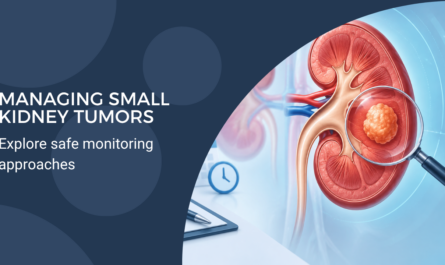
Kidney cancer develops when abnormal cells grow uncontrollably within kidney tissues. The most common type of kidney cancer in adults is renal cell carcinoma, which originates in the lining of the small tubes within the kidney.
While kidney cancer can affect people of different ages, it is most commonly diagnosed in adults over the age of 50.
Several factors may increase the risk of developing kidney cancer, including:
- Smoking
- Obesity
- High blood pressure
- Family history of kidney cancer
- Long-term dialysis treatment
Understanding these risk factors can help individuals stay aware of potential warning signs and seek medical attention when necessary.
Common Symptoms of Kidney Cancer
Kidney cancer often develops silently in its early stages. Many patients may not notice symptoms until the disease progresses.
However, some warning signs may include:
- Blood in the urine
- Persistent pain in the side or lower back
- Unexplained weight loss
- Fatigue or weakness
- A lump or mass in the abdomen
It is important to note that these symptoms may also occur in other medical conditions. However, persistent symptoms should always be evaluated by a medical professional.
Consulting an experienced specialist at a kidney cancer hospital in Mumbai can help ensure timely diagnosis and appropriate treatment.
How Kidney Cancer Is Diagnosed
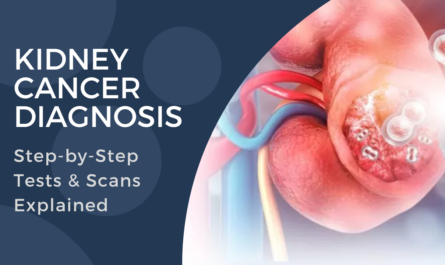
Early diagnosis plays a crucial role in determining the best treatment strategy. Doctors typically use a combination of medical history, physical examination, and imaging tests to detect kidney cancer.
Medical History and Physical Examination
The diagnostic process often begins with a detailed discussion about the patient’s symptoms, medical history, and possible risk factors. A physical examination may help doctors detect any abnormalities.
Imaging Tests
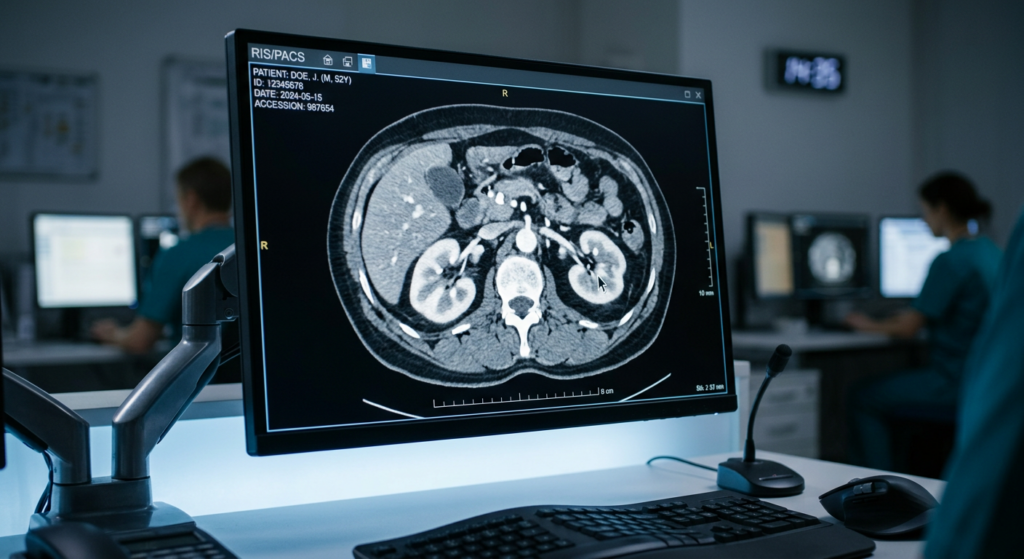
Imaging tests are essential for detecting kidney tumors and determining their size and location.
Common imaging methods include:
- Ultrasound
- CT scan
- MRI scan
These tests allow doctors to examine the kidneys in detail and identify suspicious growths.
Blood and Urine Tests
Laboratory tests may help evaluate kidney function and detect abnormalities that may indicate a problem.
Biopsy (When Required)
In certain cases, doctors may recommend a biopsy to examine tissue samples and confirm whether a tumor is cancerous.
Stages of Kidney Cancer
Once kidney cancer is diagnosed, doctors determine its stage. Staging helps understand how far the cancer has spread and guides treatment decisions.
Kidney cancer is typically classified into four stages:
Stage 1: Tumor is confined to the kidney and relatively small.
Stage 2: Tumor grows larger but remains within the kidney.
Stage 3: Cancer may spread to nearby tissues or lymph nodes.
Stage 4: Cancer spreads to distant organs.
Early-stage kidney cancer often has a higher success rate with treatment.
Treatment Options for Kidney Cancer
Treatment depends on several factors, including the stage of the cancer, tumor size, and overall health of the patient. Modern medicine offers multiple approaches for managing kidney cancer.
Patients seeking kidney cancer treatment in Mumbai have access to advanced therapies and specialized care.
Surgery
Surgery is the most common treatment for kidney cancer.
Partial Nephrectomy
In this procedure, surgeons remove only the tumor while preserving the remaining healthy kidney tissue. This approach is often recommended for smaller tumors.
Radical Nephrectomy
When the tumor is large or affects a significant portion of the kidney, doctors may remove the entire kidney along with surrounding tissues.
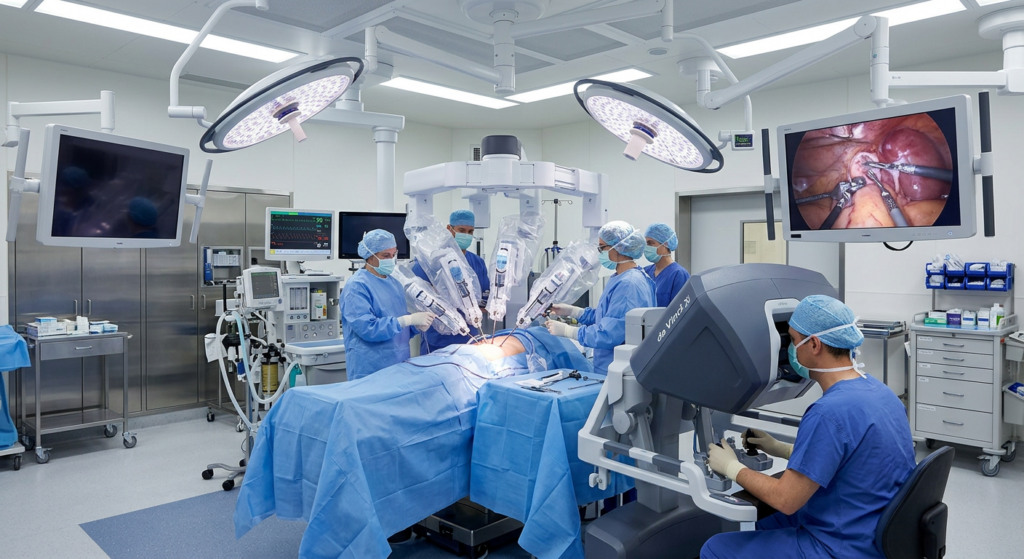
Minimally invasive techniques such as robotic or laparoscopic surgery are increasingly used in specialized hospitals.
Targeted Therapy
Targeted therapy uses medications designed to block the growth and spread of cancer cells. These treatments focus on specific molecules involved in tumor growth.
Targeted therapies may be recommended for patients with advanced kidney cancer.
Immunotherapy
Immunotherapy helps the body’s immune system recognize and attack cancer cells. It has become an important treatment option for certain types of kidney cancer.
Radiation Therapy
Although kidney cancer is not always highly responsive to radiation therapy, it may be used in certain situations to control symptoms or treat metastatic cancer.
Importance of Choosing the Right Specialist
Kidney cancer management often requires expertise in both urology and oncology. An experienced doctor can guide patients through diagnosis, treatment planning, and post-treatment care.
Patients searching for kidney cancer treatment in Mumbai should consider consulting specialists who are experienced in managing complex urological cancers and who have access to advanced diagnostic technology.
Choosing the right medical team ensures that patients receive personalized care tailored to their condition.
Role of a Kidney Doctor in Managing Cancer
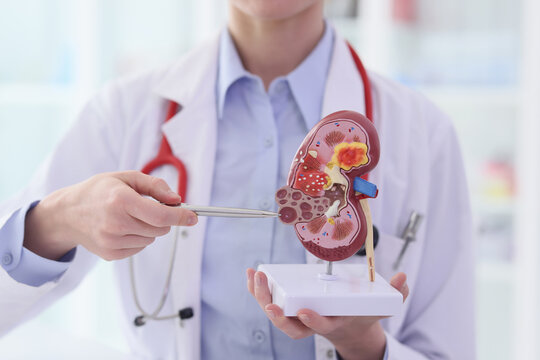
A specialist trained in urology plays an important role in diagnosing and treating kidney cancer.
These doctors evaluate imaging tests, determine the stage of the disease, and recommend appropriate treatment strategies.
Patients often benefit from consulting experienced doctors such as Dr. Varun V. Agarwal, a well-known kidney doctor in Vashi with expertise in treating complex urological conditions.
With extensive clinical experience, he focuses on accurate diagnosis, advanced surgical techniques, and patient-centered care.
Recovery and Follow-Up Care
After treatment, regular follow-up visits are essential to monitor recovery and detect any recurrence of cancer.
Follow-up care may include:
- Routine imaging tests
- Blood tests
- Physical examinations
- Lifestyle guidance
Maintaining a healthy lifestyle and attending scheduled appointments can help improve long-term outcomes.
Kidney cancer is a serious condition, but early detection and modern treatment options have significantly improved patient outcomes. Awareness of symptoms, timely diagnosis, and consultation with experienced specialists are key factors in successful treatment.
Patients seeking kidney cancer treatment in Mumbai have access to advanced medical facilities and specialized doctors who can provide comprehensive care.
Consulting experienced specialists such as Dr. Varun V. Agarwal, a respected kidney doctor in Vashi, allows patients to receive personalized treatment plans and expert guidance throughout their cancer journey.
With the right medical care and timely intervention, many patients can achieve successful recovery and improved quality of life.