 by
Kidney cancer is a serious condition that often develops silently in its early stages. Many people may not notice symptoms until the disease has progressed, which makes awareness of early warning signs extremely important.
Understanding kidney cancer symptoms can help individuals seek timely medical care and improve treatment outcomes. While some symptoms may appear mild or unrelated, they should never be ignored—especially if they persist.
In this blog, we explore the early signs of kidney cancer, risk factors, and when to consult a specialist.
What Is Kidney Cancer?
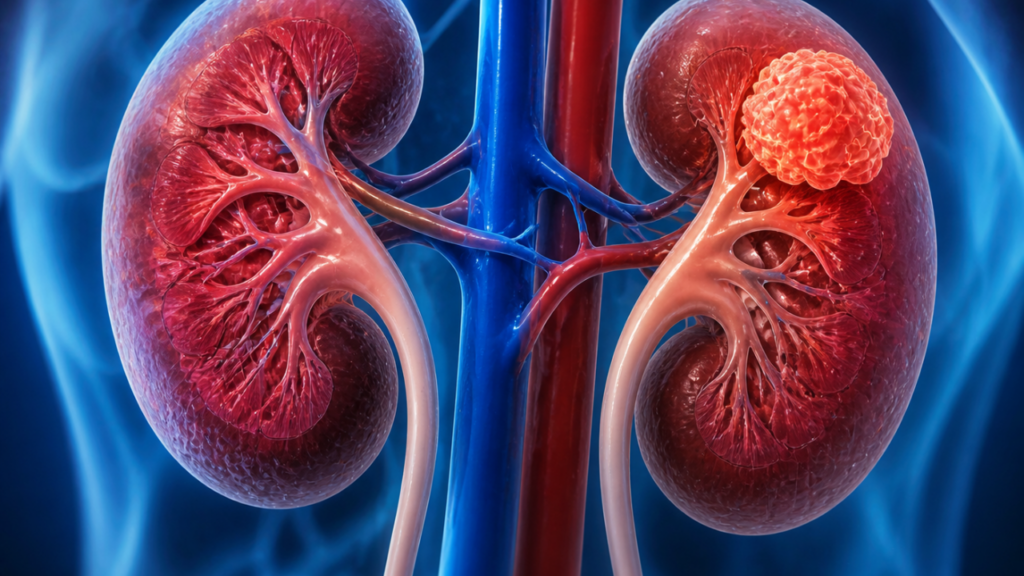
Kidney cancer occurs when abnormal cells begin to grow uncontrollably in the kidney tissues. The most common type is renal cell carcinoma, which develops in the lining of small tubes within the kidney.
This condition is more commonly diagnosed in adults over the age of 50, but it can occur in younger individuals as well.
Why Early Detection Matters?
Kidney cancer is often asymptomatic in its early stages. However, detecting it early can significantly increase the chances of successful treatment.
Early-stage kidney cancer is typically easier to treat and may require less aggressive intervention compared to advanced stages.
10 Early Kidney Cancer Symptoms You Should Not Ignore
1. Blood in Urine (Hematuria)
One of the most common and noticeable signs of kidney cancer is blood in urine.
- Urine may appear pink, red, or cola-colored
- It may occur intermittently
Even a single episode should be evaluated by a doctor.
2. Persistent Lower Back or Side Pain
Pain in the lower back or side (below the ribs) is another important symptom.
- Often occurs on one side
- May persist without obvious cause
This pain is different from muscle strain and should not be ignored.
3. Unexplained Weight Loss
Sudden and unexplained weight loss can be a warning sign of many cancers, including kidney cancer.
If you are losing weight without changes in diet or exercise, medical evaluation is recommended.
4. Fatigue and Weakness
Persistent fatigue that does not improve with rest may indicate an underlying health issue.
Cancer can affect energy levels and lead to constant tiredness.
5. Fever Without Infection
Frequent or recurring fever without any clear cause may be linked to kidney cancer.
This symptom is often overlooked but should be evaluated if persistent.
6. Lump or Mass in the Abdomen
In some cases, a lump or swelling may be felt in the abdomen or side.
This symptom is more common in advanced stages but can sometimes be detected earlier.
7. Loss of Appetite
A reduced desire to eat or early satiety can occur in patients with kidney cancer.
This may contribute to weight loss and weakness.
8. Swelling in Legs or Ankles
Kidney function plays a role in fluid balance. Cancer affecting the kidneys may lead to swelling in the lower limbs.
9. High Blood Pressure
Kidney abnormalities can affect blood pressure regulation.
Uncontrolled or newly diagnosed hypertension may require further investigation.
10. Anemia (Low Red Blood Cell Count)
Kidney cancer may lead to anemia, causing symptoms such as:
- Fatigue
- Shortness of breath
- Pale skin
Blood tests can help detect this condition.
Common Causes of These Symptoms
While these symptoms may indicate kidney cancer, they can also be caused by other conditions such as:
- Kidney stones
- Urinary tract infections
- Muscle injuries
- Chronic diseases
However, persistent or multiple symptoms should always be evaluated.
Risk Factors for Kidney Cancer
Understanding risk factors can help in early detection and prevention.
Common risk factors include:
- Smoking
- Obesity
- High blood pressure
- Family history of kidney cancer
- Long-term dialysis
Reducing these risk factors can help lower the chances of developing kidney cancer.
When Should You See a Doctor?
You should seek medical advice if you experience:
- Blood in urine
- Persistent back or side pain
- Unexplained weight loss
- Ongoing fatigue
Early consultation can help detect the condition before it progresses.
How Is Kidney Cancer Diagnosed?
Doctors may recommend several tests to confirm the diagnosis:
Imaging Tests
CT scan, MRI, or ultrasound to examine the kidneys.
Blood and Urine Tests
To assess kidney function and detect abnormalities.
Biopsy
In some cases, a tissue sample may be taken for confirmation.
Treatment Options for Kidney Cancer
Treatment depends on the stage and severity of the disease.
Common options include:
- Surgery (partial or radical nephrectomy)
- Targeted therapy
- Immunotherapy
- Radiation therapy
Modern treatments focus on improving outcomes while minimizing side effects.
Importance of Specialist Care
Kidney cancer management requires expert evaluation and personalized treatment.
Consulting an experienced specialist ensures accurate diagnosis and access to advanced treatment options.
Patients often seek care from specialists like Dr. Varun V. Agarwal, known for expertise in uro-oncology and advanced surgical techniques. His patient-focused approach emphasizes early detection and tailored treatment plans.
Lifestyle Tips for Prevention
While not all cases can be prevented, certain lifestyle changes may reduce risk:
- Quit smoking
- Maintain a healthy weight
- Control blood pressure
- Stay physically active
- Follow a balanced diet
Frequently Asked Questions (FAQs)
What are the first signs of kidney cancer?
The most common early signs include blood in urine, persistent back pain, and unexplained weight loss.
Can kidney cancer be detected early?
Yes, it can be detected early through imaging tests and regular health checkups.
Is back pain always a sign of kidney cancer?
No, back pain can have many causes, but persistent pain should be evaluated
Who is at risk for kidney cancer?
Individuals who smoke, have high blood pressure, or have a family history are at higher risk.
When should I see a doctor for kidney cancer symptoms?
You should consult a doctor if symptoms persist or worsen over time.
Final Thoughts
Kidney cancer symptoms can often be subtle and easy to ignore, especially in the early stages. However, recognizing warning signs such as blood in urine, persistent pain, and unexplained weight loss can help in early detection.
Timely medical evaluation and expert care play a crucial role in improving outcomes and ensuring effective treatment.
If you experience any concerning symptoms, do not delay seeking medical advice. Early action can make a significant difference in your health and recovery.