 by
Introduction
Being told that a scan has found a kidney tumor can feel frightening, especially when the word “tumor” immediately raises concerns about cancer. Many kidney tumors are discovered by chance during imaging tests done for unrelated problems.
The good news is that a small kidney tumor does not always require immediate surgery. In selected cases, doctors may recommend active surveillance, a careful monitoring approach that tracks the tumor before deciding on treatment.
Understanding why this approach is chosen, who may benefit from it, and when treatment becomes necessary can help you make informed decisions about your kidney health.
What Is a Small Kidney Tumor?
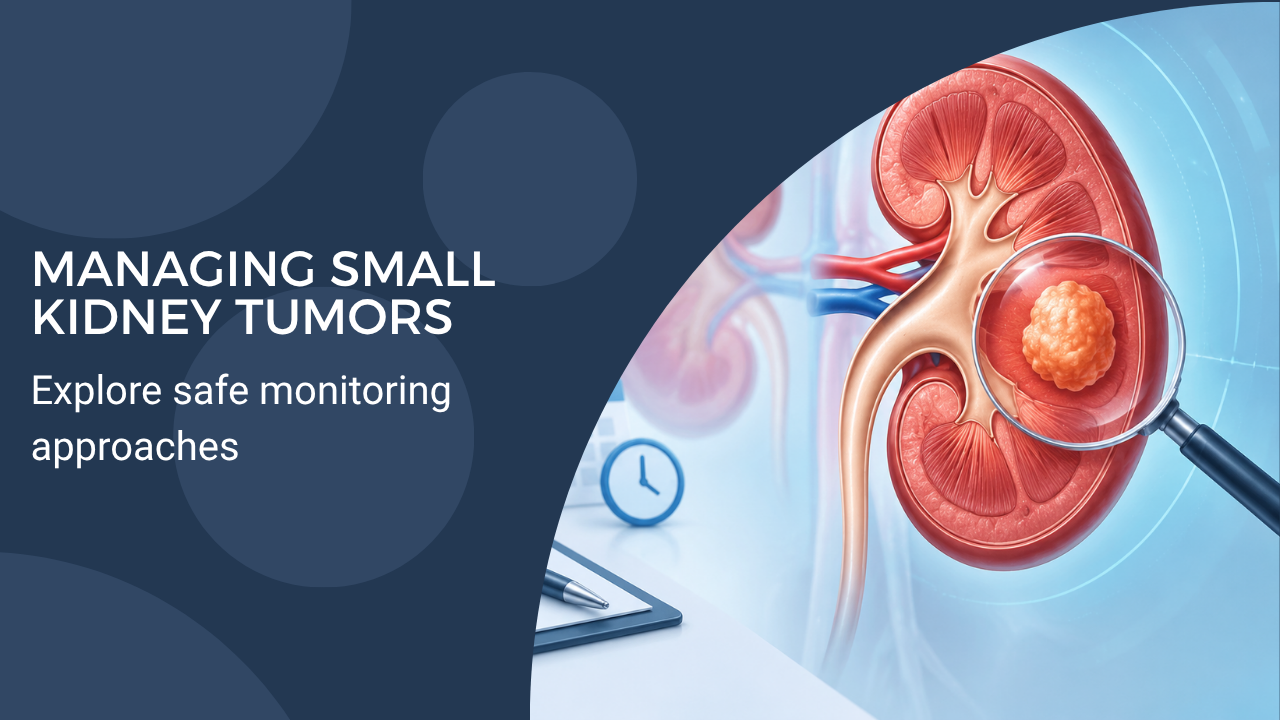
A small kidney tumor is generally considered a kidney mass measuring less than 4 cm in size. In medical terms, many tumors in this category are classified as Stage T1a kidney tumors when they are confined to the kidney and measure 4 cm or smaller.
Not every small kidney mass is cancer. Some growths are benign, while others may represent early-stage Kidney Cancer. Even among cancerous tumors, some small kidney tumors grow very slowly and may not cause immediate health problems.
When a kidney tumor is detected, your doctor evaluates several factors before recommending treatment. These include:
- Tumor size and appearance on CT scan or MRI
- Growth pattern over time
- Your age and overall health
- Kidney function
- Other medical conditions
- Risk factors associated with tumor progression
A diagnosis does not automatically mean you need immediate surgery. The right approach depends on your individual situation.
What Is Active Surveillance for a Small Kidney Tumor?
Active surveillance is a planned approach where doctors closely monitor a kidney tumor instead of treating it immediately.
The goal is to understand how the tumor behaves over time. If it remains stable and shows low-risk features, treatment may be delayed. If changes suggest a higher risk, your doctor can recommend timely treatment.
A typical active surveillance plan may include:
- Imaging tests such as CT scans, MRI, or ultrasound at regular intervals
- Monitoring changes in tumor size
- Reviewing kidney function through blood tests
- Regular consultations with your urologist
Many patients undergo scans every 3 to 6 months during the initial monitoring period. If the tumor remains stable, the frequency of follow-up may change based on your doctor’s recommendation.
Active surveillance does not mean ignoring the tumor. It means making a carefully planned decision based on medical evidence and your health needs.
Who May Be Suitable for Active Surveillance?
Active surveillance is not the right choice for every patient. Doctors consider this option when the risks of immediate treatment may outweigh the benefits.
It may be considered for people who:
- Have a small kidney tumor with slow or no significant growth
- Are older and may have other health conditions
- Have medical conditions that increase surgical risks
- Want to preserve kidney function when immediate treatment is not necessary
- Have tumors showing features that suggest lower risk
For some patients, avoiding or delaying surgery can help maintain quality of life while keeping the condition under close medical observation.
A specialist such as a Uro-Oncologist in Mumbai can assess the tumor characteristics and guide you through available options based on your health condition.

When Does a Small Kidney Tumor Need Treatment?
Active surveillance includes regular decision-making. If the tumor shows concerning changes, treatment may be recommended.
Doctors may consider treatment when:
- The tumor grows significantly over follow-up scans
- Imaging shows features linked with aggressive behavior
- Symptoms develop
- The risk of cancer progression increases
Treatment options depend on several factors. These may include partial nephrectomy, where only the tumor and a small amount of surrounding tissue are removed, or minimally invasive procedures such as ablation.
Advancements in Uro Oncology Robotic Surgery in Mumbai have also helped many patients undergo kidney procedures with smaller incisions, improved precision, and faster recovery compared with traditional surgical approaches in suitable cases.
How Do Doctors Monitor a Kidney Tumor During Surveillance?
Monitoring a kidney tumor involves more than checking whether it becomes larger. Doctors look at the complete picture.
During follow-up visits, your healthcare team may review:
Imaging Changes
Scans help determine whether the tumor size, shape, or appearance has changed.
Kidney Health
Blood tests may be performed to check kidney function and ensure that treatment decisions protect long-term kidney health.
Overall Condition
Your age, symptoms, lifestyle, and other medical conditions are considered before changing the treatment plan.
This personalized approach helps doctors avoid unnecessary procedures while still acting at the right time if the tumor becomes concerning.
Why Is Expert Evaluation Important?
A small kidney tumor requires proper assessment because every patient’s situation is different.
A specialist evaluates whether monitoring is appropriate or whether early treatment provides a better outcome. Factors such as tumor location, growth rate, and your general health all influence the decision.
Dr. Varun V. Agarwal, a Uro-Oncologist, provides evaluation and treatment guidance for patients with urological cancers, including kidney tumors. Discussing your diagnosis with an experienced specialist can help you understand the benefits and limitations of each option.
Frequently Asked Questions
Can a small kidney tumor be cancerous?
Yes, some small kidney tumors can be Kidney Cancer, but not every kidney mass is cancerous. Imaging features, growth pattern, and further evaluation help doctors understand the nature of the tumor.
Can a small kidney tumor disappear on its own?
Most kidney tumors do not disappear on their own. The purpose of active surveillance is to monitor changes and decide if treatment becomes necessary.
How fast do small kidney tumors grow?
Growth rates vary from person to person. Some small kidney tumors grow very slowly, while others may show faster changes. Regular imaging helps doctors identify the growth pattern.
Is active surveillance better than surgery?
Active surveillance and surgery are suitable for different situations. The best option depends on tumor characteristics, your age, health status, and personal preferences.
What symptoms can a kidney tumor cause?
Many small kidney tumors do not cause symptoms. When symptoms occur, they may include blood in urine, pain in the side or back, unexplained weight loss, or persistent fatigue.
Can kidney function be affected by kidney cancer treatment?
Some treatments can affect kidney function depending on the procedure and the amount of kidney tissue involved. Doctors consider kidney health while choosing the most suitable treatment approach.
When should I consult a kidney cancer specialist?
You should consult a specialist after a kidney tumor diagnosis to understand whether monitoring or treatment is appropriate. Early expert guidance helps you make informed decisions about your care.
Conclusion
A small kidney tumor does not always require immediate treatment. For selected patients, active surveillance offers a safe way to monitor the tumor while avoiding unnecessary procedures. The decision depends on tumor size, growth pattern, kidney function, and overall health. Consulting an experienced specialist helps you understand your options and choose the right care plan. With regular monitoring and timely medical guidance, many patients can manage small kidney tumors effectively.