 by
Hearing that your doctor wants to put a live bacteria-based treatment into your bladder can sound frightening. Many patients immediately think, “Why would anyone put bacteria inside the body while treating cancer?”
BCG therapy may sound unusual, but it is one of the most widely used immunotherapy treatments for high-risk non-muscle-invasive bladder cancer. Instead of attacking cancer cells directly, it trains your immune system to recognise and fight abnormal cells inside the bladder lining.
If you or your family member has been advised to undergo BCG therapy, understanding the process can make the journey less stressful. Let’s look at how BCG works, what happens during treatment, possible side effects, and what daily life looks like during the therapy.
What Is BCG Therapy for Bladder Cancer?
BCG stands for Bacillus Calmette-Guérin. Interestingly, BCG was originally developed as a vaccine against tuberculosis (TB). It contains a weakened form of Mycobacterium bovis, a bacteria related to the one that causes TB.
So, why is a TB-related treatment used for bladder cancer?
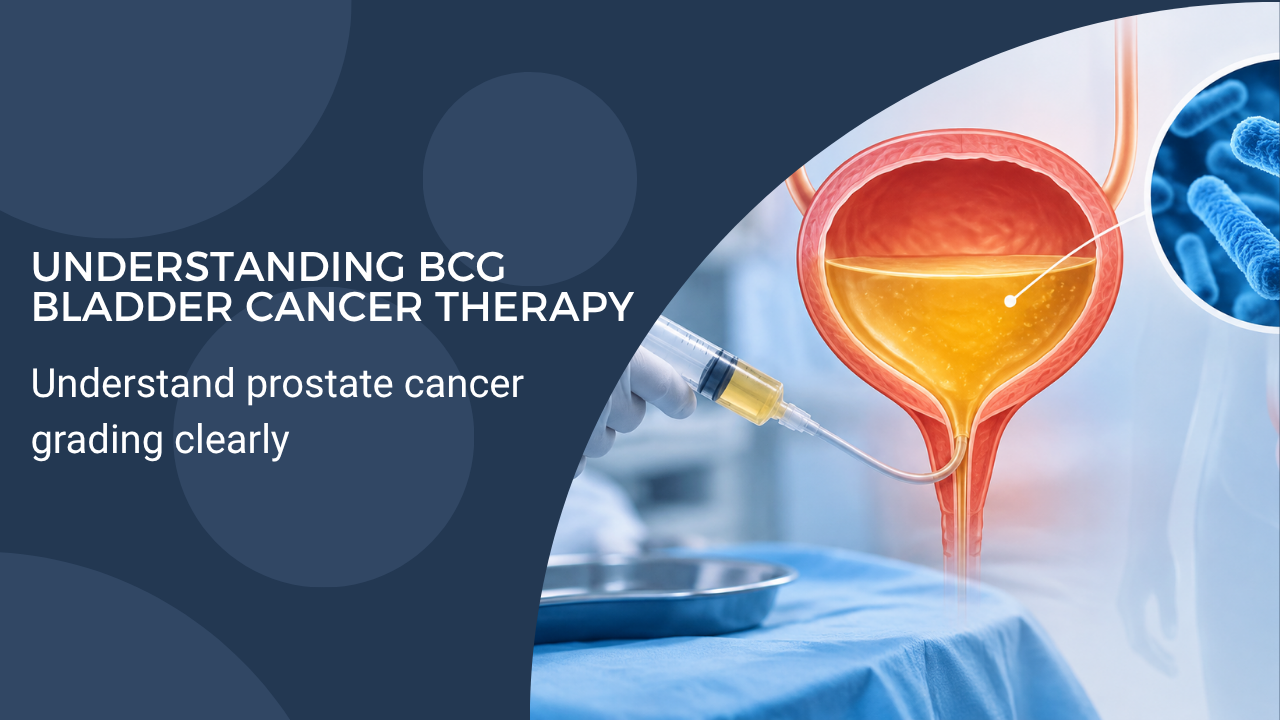
When BCG is placed directly inside the bladder, it irritates the bladder lining and activates your immune system. Your immune cells gather in that area and start attacking cancer cells present in the bladder lining.
Think of it like an alarm system. BCG creates a controlled immune response that helps your body identify and target hidden cancer cells.
BCG therapy is mainly used for:
- High-grade non-muscle-invasive bladder cancer
- Carcinoma in situ (CIS)
- Certain bladder tumours after TURBT surgery
It is usually given after transurethral resection of bladder tumour (TURBT), a procedure that removes visible bladder tumours. The goal is to reduce the chance of cancer returning and lower the risk of progression.
Why Is BCG Therapy Recommended After Bladder Tumour Removal?
Many patients ask:
“If my tumour has already been removed, why do I need more treatment?”
The reason is that bladder cancer has a tendency to return because cancer cells can remain in the bladder lining even after visible tumours are removed.
BCG helps by:
Reducing Cancer Recurrence
BCG stimulates immune activity inside the bladder. This helps destroy abnormal cells that may not be visible during surgery.
Lowering the Risk of Cancer Progression
Some bladder cancers can grow deeper into the bladder wall over time. BCG can help reduce this risk in suitable patients.
Helping Preserve the Bladder
For many patients, successful BCG therapy can help avoid more aggressive treatments. The treatment plan depends on cancer stage, grade, and your overall health.
A specialist such as a Uro-Oncologist in Mumbai evaluates these factors before recommending BCG therapy.
What Happens During a BCG Treatment Session?
Many patients feel anxious before their first session because they do not know what will happen.
The actual procedure is usually done as an outpatient treatment.
Here is what you can expect:
Before Treatment
You may be asked to limit fluid intake for a few hours before your appointment.
Before the procedure begins, you will empty your bladder.
During Treatment
A thin catheter is gently passed through the urethra into the bladder.
The BCG solution is then placed directly into the bladder through the catheter.
The catheter is removed, and you will be asked to hold the medicine inside your bladder for about two hours.
During this time, some hospitals may ask you to change positions every 15 minutes:
- Lie on your back
- Turn to your left side
- Lie on your stomach
- Turn to your right side
This helps the BCG solution contact different areas of the bladder lining.
The first treatment can feel unfamiliar, but many patients become more comfortable as they understand the process.
How Many BCG Treatments Are Needed?
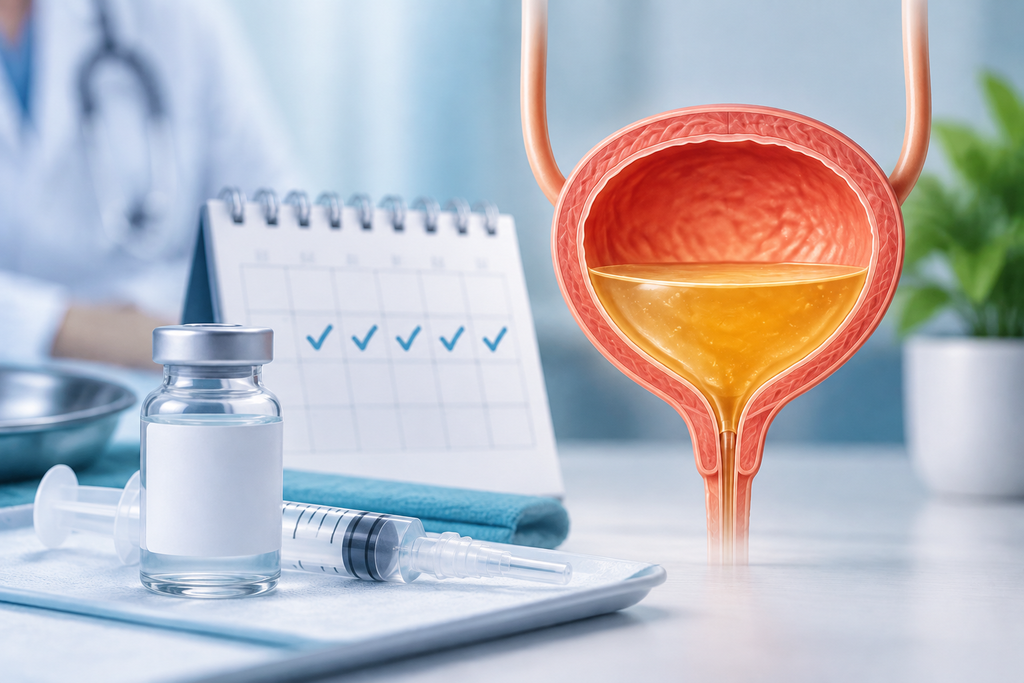
A common schedule includes an initial six-week induction course.
You usually receive one treatment every week for six weeks.
Some patients may require maintenance BCG, where additional doses are given over months or longer depending on their cancer risk and response.
Your doctor will decide the schedule based on your follow-up cystoscopy findings and treatment response.
BCG Therapy Side Effects: What Should You Expect?
BCG works by creating an immune reaction inside your bladder. Because of this, side effects are common.
Most patients experience symptoms similar to a urinary infection.
Common side effects include:
Burning While Urinating
You may feel burning or discomfort when passing urine after treatment.
Frequent Urination and Urgency
You may feel the need to urinate often or suddenly.
Blood in Urine
A small amount of blood in urine can occur after treatment.
BCG Flu Symptoms
Many patients notice flu-like symptoms, especially after a few treatment sessions.
These may include:
- Fever
- Chills
- Tiredness
- Body aches
- Feeling exhausted for a day or two
Some patients describe this as a “BCG flu.” It happens because your immune system is responding to the treatment.
If symptoms become severe or continue longer than expected, your doctor should evaluate them.
The Toilet and Bleach Protocol After BCG Treatment
One of the most important parts of BCG therapy is knowing how to handle urine after treatment.
Because BCG contains live bacteria, special precautions are required after you leave the hospital.
For around six hours after treatment, follow your hospital’s instructions, which commonly include:
- Sit down while urinating to avoid splashing.
- Add household bleach to the toilet after urinating.
- Allow it to remain for about 15 to 20 minutes before flushing.
- Keep the toilet lid closed while flushing.
- Wash your hands and genital area properly with soap and water.
These steps reduce the chance of exposing others to the bacteria.
Your treatment centre may provide specific instructions based on their protocol.
Managing Daily Life During BCG Therapy
Many people continue their normal activities during BCG treatment.
A few practical steps can make the process easier:
Plan Rest After Treatment
You may feel tired after some sessions, especially later in the treatment course.
Drink Fluids as Advised
Your doctor may recommend increasing fluids after the required period to help clear bladder irritation.
Keep Follow-Up Appointments
Regular cystoscopy and monitoring are important because bladder cancer can return even after successful treatment.
Patients looking for advanced Bladder Cancer treatment in Mumbai often consult experienced uro-oncology teams that provide complete care, from diagnosis and TURBT surgery to immunotherapy and follow-up monitoring.
Dr. Varun V. Agarwal specialises in uro-oncology and bladder cancer care, including personalised treatment approaches based on each patient’s condition.
FAQs About BCG Therapy for Bladder Cancer
1. Is BCG therapy chemotherapy?
No. BCG is an immunotherapy. It activates your immune system to fight bladder cancer cells rather than directly killing cells like chemotherapy drugs.
2. Does BCG treatment hurt?
The BCG medicine itself usually does not cause sharp pain. The catheter insertion can feel uncomfortable, and bladder irritation after treatment may cause burning and urgency.
3. Can I work during BCG treatment?
Many patients continue working, but fatigue and urinary symptoms may require some adjustments, especially after later sessions.
4. Why do I need BCG if my bladder tumour was removed?
TURBT removes visible tumours, but microscopic cancer cells may remain. BCG helps reduce the chance of recurrence.
5. Is BCG therapy successful for bladder cancer?
BCG is considered a standard treatment for many high-risk non-muscle-invasive bladder cancers because it helps reduce recurrence and progression risks.
Conclusion
BCG therapy can feel confusing at first because it uses a unique approach: using your own immune system to fight bladder cancer. Understanding why you need it, how the treatment is performed, and what side effects to expect can help you feel more prepared.
With proper monitoring, communication with your doctor, and timely follow-up care, many patients successfully complete BCG therapy as part of their bladder cancer treatment journey. A personalised plan from an experienced uro-oncology specialist can help you choose the right treatment approach for your condition.