 by
Introduction
If your doctor has recommended a cystoscopy, you may have several questions running through your mind. Will it hurt? How is the procedure done? How long will recovery take?
Feeling nervous before a cystoscopy is common. The idea of examining the bladder with a camera may sound uncomfortable, but understanding each step can help you feel more prepared.
A cystoscopy helps doctors diagnose and monitor conditions affecting the bladder and urinary tract, including unexplained blood in urine, repeated infections, urinary problems, and bladder tumours.
This guide explains what happens before, during, and after a cystoscopy, why doctors recommend it, and what you can expect throughout the process.
What Is a Cystoscopy and Why Is It Done?
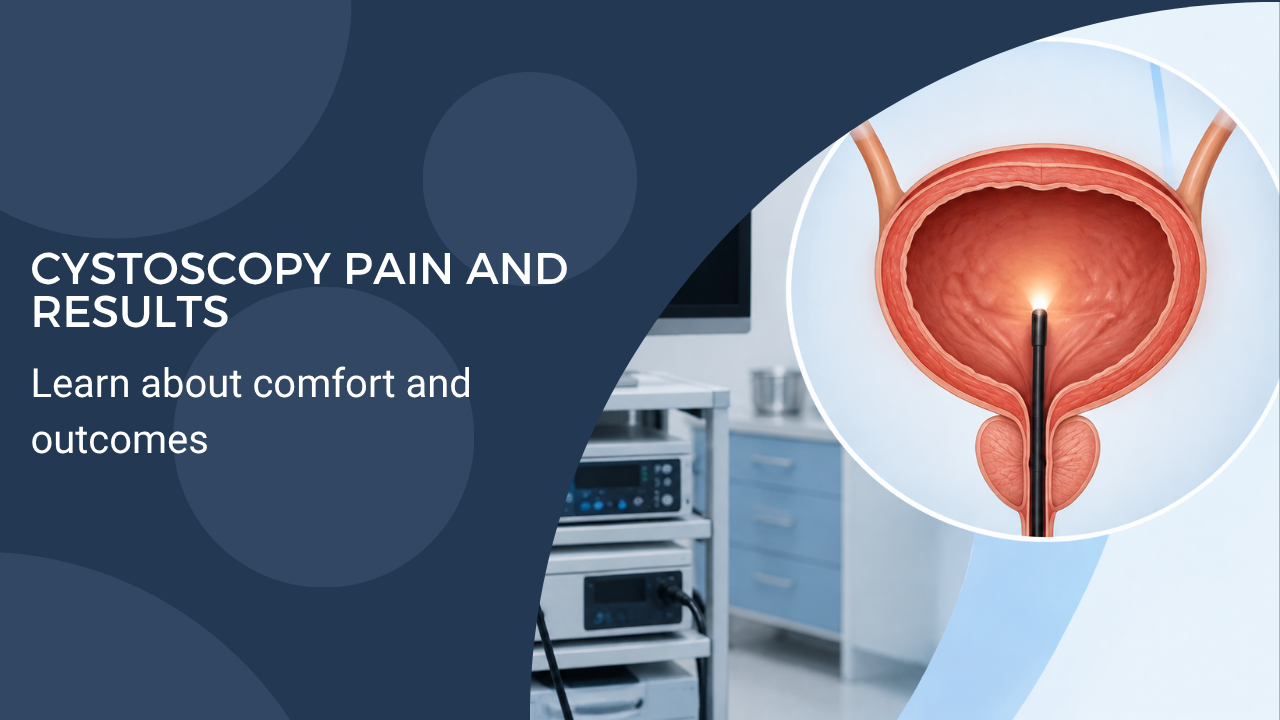
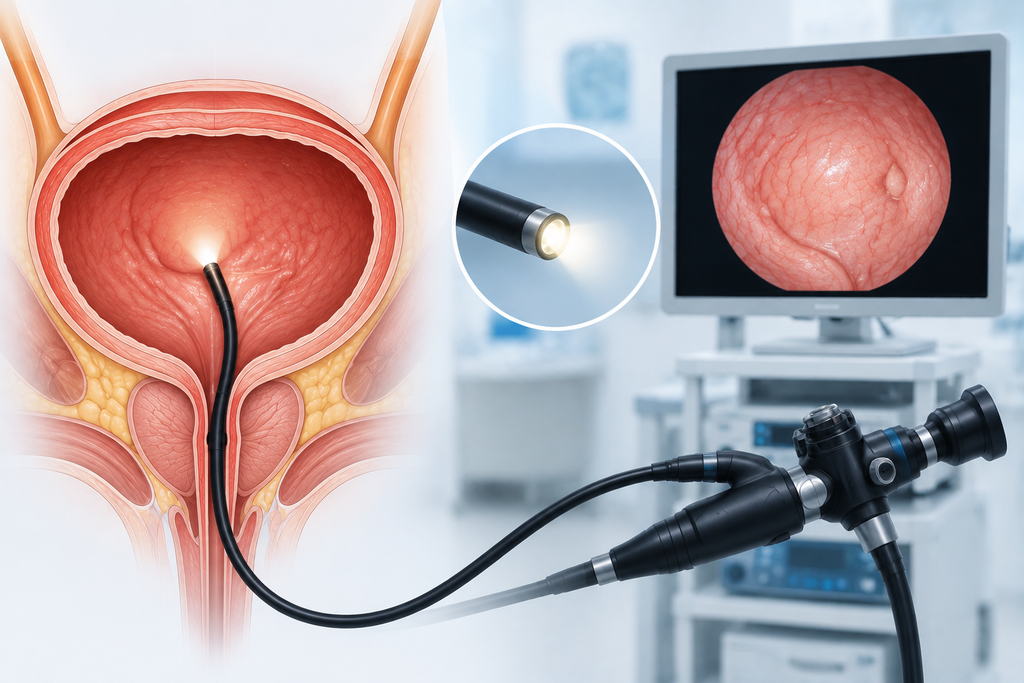
A cystoscopy is a procedure that allows a doctor to examine the inside of your bladder and urethra using a thin instrument called a cystoscope.
The cystoscope has a small camera and light at the tip. It provides a clear view of the bladder lining, helping doctors identify changes that may not appear in routine urine tests or imaging scans.
Your doctor may recommend a cystoscopy if you have:
- Blood in urine
- Repeated urinary tract infections
- Pain or burning while passing urine
- Difficulty emptying your bladder
- Urinary blockage symptoms
- Bladder stones
- Abnormal findings in urine tests
- A history of bladder cancer requiring follow-up
For patients with suspected or confirmed bladder cancer, cystoscopy plays an important role in diagnosis and monitoring. A specialist such as a Uro-Oncologist in Mumbai may use cystoscopy findings along with other investigations to plan the right treatment approach.
How Should You Prepare Before a Cystoscopy?
Before the procedure, your doctor will review your medical history and explain the steps involved.
Preparation is usually straightforward.
Medical Evaluation
Your doctor may ask about:
- Current medications
- Previous urinary conditions
- Allergies
- Any history of bleeding problems
If you take blood-thinning medicines, your doctor will guide you about whether any changes are needed before the procedure.
Urine Testing
A urine test is often performed before cystoscopy.
This helps check for urinary infections. If an infection is present, your doctor may treat it before proceeding.
Anaesthesia Planning
The type of anaesthesia depends on the procedure.
A simple cystoscopy is often performed using local anaesthetic gel to numb the urethra.
For more complex procedures, sedation or general anaesthesia may be used to improve comfort.
What Happens During a Cystoscopy Procedure?
A cystoscopy usually takes around 15 to 30 minutes. The exact duration depends on why the procedure is being performed and whether any additional steps are required.
Step 1: Positioning and Preparation
You will be asked to empty your bladder before the procedure.
After changing into a hospital gown, you will be positioned comfortably. The healthcare team will clean the area around the urinary opening to reduce the risk of infection.
Step 2: Numbing the Area
A local anaesthetic gel is placed inside the urethra.
This helps reduce discomfort when the cystoscope is inserted.
Many patients feel pressure or an urge to pass urine during the procedure because the bladder may be filled with sterile fluid to allow better visibility.
Step 3: Inserting the Cystoscope
The doctor carefully guides the cystoscope through the urethra and into the bladder.
The camera sends images to a monitor, allowing the doctor to examine the bladder walls closely.
The doctor looks for:
- Abnormal growths
- Inflammation
- Bleeding areas
- Stones
- Other changes inside the bladder
If a suspicious area is found, a small tissue sample may be collected for further testing.
What Happens After a Cystoscopy?
Most patients can go home on the same day after a routine cystoscopy.
You may notice some temporary symptoms after the procedure, including:
- Mild burning while urinating
- Increased urinary frequency
- Slight pelvic discomfort
- Small amounts of blood in urine
These symptoms usually improve within a short period.
Drinking adequate fluids can help reduce irritation and support recovery.
Your doctor will explain when you can resume normal activities based on your procedure and overall health.
If a biopsy or additional treatment was performed, your recovery instructions may be different.
Is Cystoscopy Used for Bladder Cancer Diagnosis?
Cystoscopy is one of the key procedures used when doctors suspect bladder cancer.
Symptoms such as blood in urine can have many causes, but cystoscopy allows direct examination of the bladder lining to identify abnormal areas.
If a growth is detected, further testing may be advised to confirm the diagnosis and understand the type and stage of the tumour.
Treatment decisions depend on several factors, including tumour characteristics and the patient’s overall health.
Advanced treatment options are now available for bladder cancer, including minimally invasive approaches and robotic procedures. Specialists offering Uro Oncology Robotic Surgery in Mumbai may use advanced techniques for selected cases requiring surgical management.
Dr. Varun V. Agarwal, a Uro-Oncologist and robotic surgeon, focuses on diagnosis and treatment approaches for urological cancers, including bladder cancer.
Why Choosing the Right Specialist Matters
A cystoscopy is a diagnostic procedure, but the interpretation of findings and next treatment steps require specialised medical expertise.
For patients with complex urinary conditions or suspected cancer, consulting an experienced urologist or uro-oncology specialist helps ensure proper evaluation.
Bladder cancer treatment in Mumbai may involve a combination of procedures, medicines, and follow-up care depending on the patient’s condition.
Early evaluation, accurate diagnosis, and personalized treatment planning can help improve management outcomes.
FAQs About Cystoscopy
1. Is cystoscopy painful?
Most patients experience mild discomfort rather than severe pain. Local anaesthetic gel helps numb the area and makes the procedure more comfortable. You may feel pressure or an urge to urinate during the examination.
2. How long does a cystoscopy take?
A routine cystoscopy usually takes around 15 to 30 minutes. The duration may increase if additional procedures, such as biopsy collection, are required.
3. Can I go home after a cystoscopy?
Yes, most patients can return home on the same day after a routine cystoscopy. If sedation or general anaesthesia is used, you may need someone to accompany you.
4. Why do doctors recommend cystoscopy for blood in urine?
Blood in urine can occur due to different reasons. Cystoscopy helps doctors examine the bladder directly and identify possible causes that may not be visible through other tests.
5. How soon can I return to normal activities after cystoscopy?
Many patients resume normal activities within a day. Your doctor may provide specific advice depending on your procedure and health condition.
Conclusion
A cystoscopy is a valuable procedure that helps doctors understand what is happening inside your bladder and urinary tract. While the procedure may feel unfamiliar, knowing what to expect can make the experience easier. If your doctor recommends cystoscopy, discuss your concerns and treatment options openly. Timely evaluation and guidance from an experienced specialist can help identify problems early and support better care decisions.