 by
For many patients diagnosed with bladder cancer, surgery is the first and most effective step in treatment. However, “bladder cancer surgery” is not a single procedure. The type of surgery recommended depends on the stage of cancer, the size of the tumor, and whether the disease has spread into the bladder muscle.
Naturally, patients have many questions:
- What type of surgery will I need?
- How long will recovery take?
- Will my bladder be removed?
- What is the cost of bladder cancer treatment in Mumbai?
Understanding the surgical options can help reduce uncertainty and allow patients to make informed decisions about their treatment journey.
Why Is Surgery Commonly Recommended for Bladder Cancer?
Surgery plays a central role in treating bladder cancer because it allows doctors to remove the tumor directly and accurately determine the stage of the disease.
For early-stage cancers, surgery may be enough to control the disease. For more advanced cancers, surgery may be combined with chemotherapy, immunotherapy, or radiation therapy as part of a comprehensive treatment plan. TURBT is commonly used for non-muscle-invasive bladder cancer, while radical cystectomy remains a standard treatment for muscle-invasive disease.
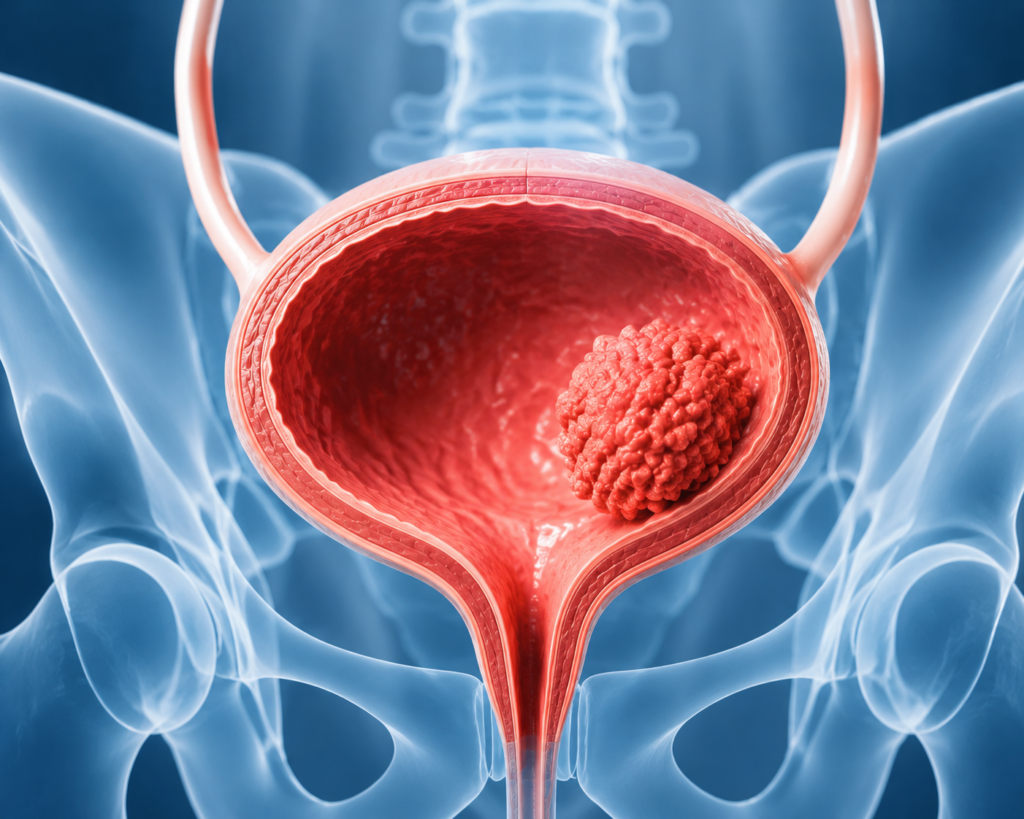
The Main Types of Bladder Cancer Surgery
The type of surgery depends largely on how deeply the cancer has grown into the bladder wall.
1. TURBT (Transurethral Resection of Bladder Tumor)
TURBT is the most common bladder cancer surgery and is often the first procedure patients undergo.
Unlike traditional surgery, there are no external cuts. A surgeon inserts a cystoscope through the urethra and removes the tumor from inside the bladder. TURBT is commonly used to diagnose and treat early-stage bladder cancer that has not invaded the bladder muscle.
When Is TURBT Recommended?
- Early-stage bladder cancer
- Non-muscle invasive bladder cancer
- Diagnostic evaluation of suspicious bladder tumors
Benefits
- Minimally invasive
- Short hospital stay
- Faster recovery
- Preservation of the bladder
Recovery Time
Most patients return home the same day or within 24 hours. Mild burning during urination, blood in urine, and urinary frequency may occur temporarily. Recovery is generally much quicker than major bladder surgery.
2. Partial Cystectomy
A partial cystectomy involves removing only the portion of the bladder containing the tumor while preserving the rest of the bladder.
This procedure is less common and is suitable only for carefully selected patients where the cancer is confined to one specific area.
Advantages
- Preserves bladder function
- Avoids complete bladder removal
- Maintains normal urination in many cases
Recovery Time
Most patients require a few weeks before returning to normal daily activities.
3. Radical Cystectomy
For muscle-invasive or high-risk bladder cancer, a radical cystectomy may be recommended.
This surgery involves removing the entire bladder along with nearby lymph nodes and, in some cases, surrounding organs depending on the patient’s gender and cancer extent. Radical cystectomy is considered a standard treatment for muscle-invasive bladder cancer.
When Is Radical Cystectomy Needed?
- Muscle-invasive bladder cancer
- Recurrent high-risk tumors
- Extensive bladder involvement
What Happens After Bladder Removal?
Because the bladder stores urine, surgeons create a new pathway for urine to leave the body. This process is called urinary diversion.
Open vs Laparoscopic vs Robotic Surgery
Modern bladder cancer surgery has evolved significantly.
Open Surgery
Traditional approach using a larger incision.
Laparoscopic Surgery
Uses small incisions and specialized instruments.
Robotic-Assisted Surgery
Robotic technology provides enhanced precision, magnified visualization, and improved maneuverability during complex cancer surgery.
Benefits of minimally invasive and robotic approaches may include:
- Smaller incisions
- Less blood loss
- Reduced postoperative discomfort
- Faster recovery
- Shorter hospital stay
Many patients seeking bladder cancer treatment in Mumbai are increasingly exploring robotic surgical options when appropriate.
What Happens Before Surgery?
Before surgery, patients usually undergo:
Imaging Tests
- CT scan
- MRI
- Ultrasound
Blood Tests
To assess overall health and kidney function.
Anesthesia Evaluation
To ensure fitness for surgery.
Proper planning helps reduce surgical risks and improve outcomes.
What to Expect During Recovery
Recovery depends on the type of surgery performed.
Recovery After TURBT
Patients typically experience:
- Mild discomfort
- Temporary urinary symptoms
- Return to routine activities within days
Recovery After Partial Cystectomy
Recovery usually takes a few weeks.
Patients may need temporary activity restrictions and follow-up imaging.
Recovery After Radical Cystectomy
This is a major surgery and requires more extensive recovery.
Patients may experience:
- Hospital stay of several days
- Gradual return to normal activity
- Adjustment to urinary diversion
- Regular follow-up appointments
Recovery may take several weeks to a few months depending on individual health and the complexity of surgery.
Potential Risks and Complications
Like any surgery, bladder cancer surgery carries certain risks.
These may include:
- Bleeding
- Infection
- Blood clots
- Urinary leakage
- Bowel-related complications
- Temporary fatigue
Fortunately, advances in surgical techniques and perioperative care have helped improve safety and recovery outcomes.
What Is the Cost of Bladder Cancer Surgery in Mumbai?
One of the most common questions patients ask is about cost.
The cost of bladder cancer surgery varies depending on:
- Type of surgery performed
- Hospital infrastructure
- Surgical technology used
- Length of hospital stay
- Additional treatments required
For example, TURBT is generally less expensive than radical cystectomy because it is less invasive and usually requires a shorter hospital stay.
Patients should remember that treatment planning should prioritize clinical outcomes and long-term health rather than cost alone.
Why Choosing the Right Specialist Matters
Bladder cancer surgery requires expertise in cancer staging, surgical planning, and long-term follow-up care.
Patients often seek treatment from Dr. Varun Agarwal, who specializes in advanced uro-oncology and minimally invasive cancer surgery.
As an experienced uro oncologist in Mumbai, he focuses on:
- Accurate diagnosis and staging
- Personalized treatment strategies
- Bladder-preserving approaches when possible
- Advanced minimally invasive and robotic surgical techniques
For individuals considering bladder cancer treatment in Mumbai, specialist evaluation can help determine the most effective treatment approach.
Life After Bladder Cancer Surgery
Most patients gradually return to normal activities after recovery.
Important aspects of long-term care include:
- Regular cystoscopy and follow-up visits
- Imaging when required
- Monitoring for recurrence
- Maintaining a healthy lifestyle
- Avoiding smoking
Early detection of recurrence remains an important part of ongoing bladder cancer management.
Frequently Asked Questions (FAQs)
What is the most common surgery for bladder cancer?
TURBT (Transurethral Resection of Bladder Tumor) is the most commonly performed surgery for early-stage bladder cancer.
Is bladder removal always necessary?
No. Many patients with early-stage bladder cancer can be treated with TURBT and bladder-preserving therapies. Radical cystectomy is generally reserved for more advanced disease.
How long does it take to recover from bladder cancer surgery?
Recovery varies from a few days after TURBT to several weeks or months after radical cystectomy.
Can bladder cancer return after surgery?
Yes. Bladder cancer has a risk of recurrence, which is why regular follow-up appointments are essential.
When should I consult a uro-oncologist?
If you have blood in urine, abnormal bladder imaging, recurrent bladder tumors, or a confirmed diagnosis of bladder cancer, consultation with a specialist is recommended.
Final Thoughts
Bladder cancer surgery ranges from minimally invasive procedures like TURBT to more complex operations such as radical cystectomy. The best approach depends on the stage of cancer, overall health, and treatment goals.