
 by
Penile cancer is a rare but serious condition that affects the skin and tissues of the penis. Although it is not as common as other urological cancers, early detection plays a crucial role in successful treatment and recovery.
Many patients hesitate to discuss symptoms due to embarrassment or lack of awareness. However, recognizing early warning signs and seeking timely medical advice can significantly improve outcomes.
Understanding the symptoms, causes, and risk factors can help individuals take proactive steps toward their health.
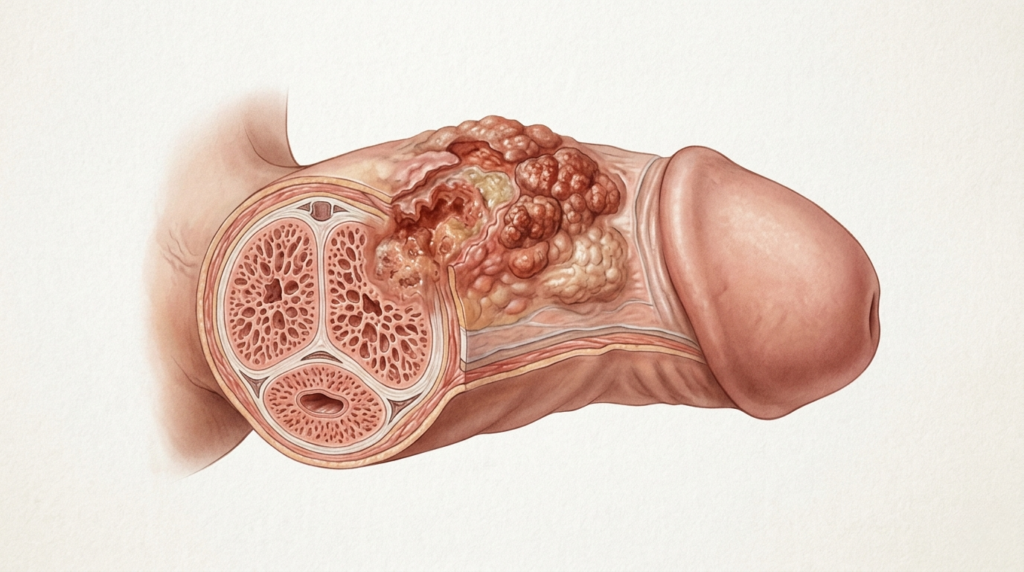
What Is Penile Cancer?
Penile cancer occurs when abnormal cells begin to grow uncontrollably in the tissues of the penis. It most commonly develops in the skin or the lining of the penis, particularly under the foreskin in uncircumcised men.
The majority of cases are classified as squamous cell carcinoma, which starts in the flat skin cells.
Although rare, penile cancer can become aggressive if not treated early.
Early Signs of Penile Cancer
Early detection is key to effective treatment. Many symptoms may initially appear mild and can easily be mistaken for infections or skin conditions.
Common Early Symptoms
- A lump or growth on the penis
- Changes in skin color or thickness
- Persistent sores that do not heal
- Redness or irritation
- Unusual discharge under the foreskin
- Bleeding from the penis
- Foul-smelling discharge
These symptoms may not always indicate cancer, but if they persist, they should be evaluated by a specialist.
Advanced Symptoms to Watch For
If penile cancer progresses, additional symptoms may develop:
- Pain in the penis
- Swelling in the groin area
- Enlarged lymph nodes
- Difficulty retracting the foreskin
- General fatigue or weight loss
At this stage, the cancer may have spread beyond the initial site, making treatment more complex.
Causes of Penile Cancer
The exact cause of penile cancer is not always clear, but certain factors can increase the risk.
Human Papillomavirus (HPV)
HPV infection is one of the most common risk factors associated with penile cancer.
Poor Hygiene
Lack of proper genital hygiene, especially in uncircumcised men, can lead to chronic irritation and increase risk.
Smoking
Smoking exposes the body to harmful chemicals that can damage cells and increase cancer risk.
Chronic Inflammation
Conditions that cause long-term inflammation can contribute to abnormal cell growth.
Risk Factors
Some individuals may be at higher risk due to:
- Age (more common in men over 50)
- HPV infection
- Smoking
- Phimosis (tight foreskin)
- Poor hygiene
- Weakened immune system
Understanding these risk factors can help in prevention and early detection.
When Should You See a Doctor?
You should consult a doctor if you notice:
- Persistent sores or lumps
- Changes in skin color or texture
- Bleeding or unusual discharge
- Pain or swelling
Early consultation allows for timely diagnosis and effective treatment.
How Is Penile Cancer Diagnosed?
Doctors may recommend several tests to confirm the diagnosis:
Physical Examination
The doctor examines the affected area and checks for abnormalities.
Biopsy
A small tissue sample is taken to confirm whether the growth is cancerous.
Imaging Tests
CT scans or MRI may be used to determine if cancer has spread.
Early diagnosis improves treatment success and reduces complications.
Treatment Options for Penile Cancer
Treatment depends on the stage and severity of the disease.
Surgery
Surgery is the most common treatment and may involve removing the tumor or affected tissue.
Radiation Therapy
High-energy rays are used to destroy cancer cells.
Chemotherapy
Drugs are used to kill cancer cells or stop their growth.
Laser Therapy
In early stages, laser treatment may be used to remove abnormal cells.
Importance of Early Treatment
When detected early, penile cancer is highly treatable.
Benefits of early treatment include:
- Better chances of recovery
- Less invasive procedures
- Preservation of function
- Reduced complications
Delaying treatment can lead to disease progression and more complex interventions.
Role of a Specialist in Treatment
Managing urological cancers requires expertise and experience.
Consulting an experienced doctor like dr varun agarwal urologist ensures:
- Accurate diagnosis
- Personalized treatment planning
- Access to advanced treatment options
With experience in treating complex urological cancers, including cases related to prostate cancer treatment mumbai and as a kidney cancer specialist, he focuses on delivering patient-centered care.
Prevention Tips
While not all cases can be prevented, certain steps can reduce risk:
- Maintain proper hygiene
- Practice safe sex
- Quit smoking
- Get HPV vaccination
- Regular health checkups
Frequently Asked Questions (FAQs)
Is penile cancer common?
No, penile cancer is rare but can be serious if not detected early.
What are the first signs of penile cancer?
Early signs include lumps, sores, skin changes, and unusual discharge.
Can penile cancer be cured?
Yes, if detected early, penile cancer is highly treatable.
Is penile cancer painful?
Early stages may not be painful, but pain can develop as the disease progresses.
When should I see a doctor?
You should consult a doctor if symptoms persist or worsen over time.
Final Thoughts
Penile cancer may be rare, but awareness of early symptoms is essential for timely diagnosis and effective treatment.
Ignoring symptoms due to hesitation or lack of awareness can delay treatment and impact outcomes. Recognizing warning signs and seeking medical advice early can make a significant difference.
Consulting an experienced specialist, such as dr varun agarwal urologist, ensures expert guidance and access to advanced care options.
Taking proactive steps toward your health can help detect potential issues early and improve overall well-being.