
 by
Seeing the words “prostate cancer” on a biopsy report can be overwhelming. Then you notice numbers such as 3 + 3, 3 + 4, 4 + 3, or Grade Group 2, and the report can become even harder to understand.
The first thing to know is that the Gleason score helps doctors estimate how aggressive prostate cancer looks under a microscope. It does not, by itself, tell you whether the cancer has spread or what treatment you will need.
This guide explains how to read your Gleason score, what different scores may mean, how Grade Groups work, and what you should ask your doctor at your next consultation.
What Is a Gleason Score?
The Gleason score is a grading system used for prostate cancer.
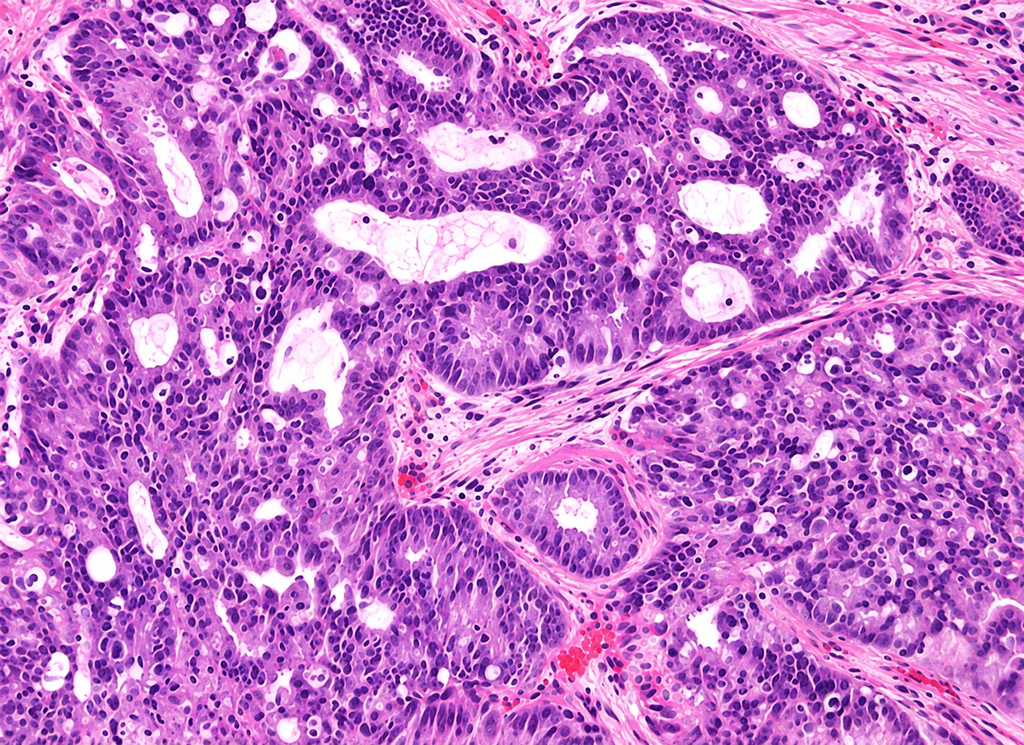
After a prostate biopsy, a pathologist examines the tissue under a microscope. The pathologist studies how different the cancer cells and gland patterns look compared with normal prostate tissue.
In contemporary reporting, prostate cancers are commonly described using Gleason patterns 3, 4, and 5.
- Pattern 3: Cancer glands remain relatively well formed.
- Pattern 4: Cancer shows poorly formed, fused, or other more abnormal gland patterns.
- Pattern 5: Cancer cells show very little or no gland formation and appear highly abnormal.
As the pattern number increases, the cancer generally shows features associated with more aggressive behaviour.
Your pathology report may show both a Gleason score and a Grade Group. Both help your doctor assess the cancer and plan the next step.
How Is the Gleason Score Calculated?
This is where many patients get confused.
A Gleason score usually contains two numbers.
Quick example: Gleason 3 + 4 = 7
3 = the predominant cancer pattern
4 = the next relevant higher-grade pattern
Total Gleason score = 7
But the order of these numbers matters.
Gleason 3 + 4 = 7 and Gleason 4 + 3 = 7 both total 7, but they are not considered the same.
With 3 + 4, pattern 3 makes up more of the assessed cancer.
With 4 + 3, the more aggressive pattern 4 is predominant. For this reason, 4 + 3 generally carries a higher risk than 3 + 4.
This distinction can influence decisions about prostate cancer treatment in Mumbai, especially when doctors consider the Gleason score together with PSA, MRI findings, clinical stage, and the amount of cancer found in biopsy samples.
Why does the Gleason score start at 6?
Patients often ask, “If 6 is the lowest score, does that mean I already have moderately severe cancer?”
No.
Although the original Gleason system included lower numbers, patterns 1 and 2 are generally not assigned to prostate cancer diagnosed on contemporary needle biopsy.
Gleason 3 + 3 = 6 is therefore the lowest Gleason score commonly reported for prostate cancer today.
What Do Gleason Scores 6, 7, 8, 9 and 10 Mean?
Here is a practical way to understand the different scores.
Gleason 6: Grade Group 1
Gleason 3 + 3 = 6 is the lowest grade commonly diagnosed.
It usually indicates cancer with less aggressive features compared with higher Grade Groups.
For carefully selected patients with localized, low-risk disease, active surveillance may be considered. This means monitoring the cancer closely rather than starting treatment immediately.
Monitoring may involve PSA testing, prostate MRI, clinical reviews, and repeat biopsy when appropriate.
Gleason 3 + 4 = 7: Grade Group 2
Pattern 3 is predominant, but some pattern 4 cancer is present.
Treatment depends on the complete risk profile. Some carefully selected patients may still be considered for surveillance, while others may be advised to consider surgery or radiation therapy.
Gleason 4 + 3 = 7: Grade Group 3
Pattern 4 is predominant.
This generally represents a higher-risk cancer than 3 + 4 disease, even though both scores add up to 7.
Your Uro-Oncologist in Mumbai may review the amount of pattern 4, PSA level, MRI findings, biopsy involvement, and clinical stage before discussing treatment.
Gleason 8: Grade Group 4
Gleason 8 is considered high-grade prostate cancer.
Your doctor may recommend further staging assessment and discuss treatment based on whether the cancer appears confined to the prostate or has extended beyond it.
Gleason 9–10: Grade Group 5
These are the highest Grade Groups.
They indicate cancer cells with high-grade microscopic features and a greater risk of aggressive behaviour.
Further staging and a detailed treatment plan are usually needed.
Gleason Score vs Grade Group: What Is the Difference?
Modern pathology reports often include a Grade Group alongside the Gleason score.
| Gleason Score | Grade Group | General Interpretation |
| 3 + 3 = 6 | Grade Group 1 | Lowest grade |
| 3 + 4 = 7 | Grade Group 2 | Predominantly pattern 3 |
| 4 + 3 = 7 | Grade Group 3 | Predominantly pattern 4 |
| Gleason 8 | Grade Group 4 | High grade |
| Gleason 9–10 | Grade Group 5 | Highest grade |
The Grade Group system makes the difference between two forms of Gleason 7 cancer easier to understand.
When reviewing a report with Dr. Varun Agarwal, patients can ask specifically about both the Gleason score and Grade Group rather than focusing only on the final number.
Does a High Gleason Score Mean Your Cancer Has Spread?
No. This is one of the most important points to understand.
The Gleason score describes the grade of prostate cancer. It reflects how abnormal and potentially aggressive the cancer looks under a microscope.
The stage describes where the cancer is located and whether it has spread beyond the prostate.
For example, a patient may have high-grade prostate cancer that is still localized. Another patient may have cancer that has extended outside the prostate.
Doctors therefore do not plan treatment from the Gleason score alone.
They may consider:
- PSA level and PSA trend
- Grade Group
- Number of biopsy cores containing cancer
- Percentage of cancer within biopsy samples
- Prostate MRI findings
- Clinical examination
- Whether cancer involves one or both sides of the prostate
- Evidence of extension outside the prostate
- Lymph node or distant involvement when staging tests are indicated
- Your age, health, and treatment priorities
These findings help determine whether you have low, intermediate, high, or very high-risk prostate cancer and guide prostate cancer treatment in Mumbai.
How Does Your Gleason Score Affect Treatment?
There is no single treatment based only on a Gleason number.
For selected low-risk cancers, active surveillance may help avoid or delay treatment while keeping the cancer under structured observation.
When treatment is needed for localized disease, options may include radical prostatectomy or radiation therapy. Hormone therapy may form part of treatment for some intermediate or high-risk cancers, particularly when combined with radiation.
For selected patients considering surgery, Uro Oncology Robotic Surgery in Mumbai may be discussed as one surgical approach. Whether robotic prostate surgery is appropriate depends on the cancer stage, risk category, general health, previous treatment, and individual clinical factors.
If cancer has spread beyond the prostate, treatment planning may involve systemic therapies and a multidisciplinary approach.
The key question is not simply, “What is my Gleason score?”
Ask instead:
“What does my Gleason score mean when combined with my PSA, MRI, Grade Group, stage, and biopsy findings?”
That gives you a far more useful picture.
Questions to Take to Your Next Uro-Oncology Consultation
If you have recently received a prostate biopsy report, keep a copy with you and ask:
- What is my exact Gleason score?
- What is my Grade Group?
- How much pattern 4 or pattern 5 cancer is present?
- How many biopsy cores contain cancer?
- What percentage of each core contains cancer?
- Does my MRI suggest disease outside the prostate?
- What is my clinical risk category?
- Do I need any further staging tests?
- Am I suitable for active surveillance?
- If treatment is needed, what are my main options?
- Should my pathology slides be reviewed again?
A consultation with an experienced Uro-Oncologist in Mumbai can help connect the pathology findings with your imaging, PSA results, overall health, and treatment priorities.
Frequently Asked Questions
How long does a prostate biopsy report usually take?
The exact turnaround time varies between pathology laboratories and hospitals. Some reports may be available within several working days, while cases requiring extra staining, specialist review, or further testing can take longer. Ask your hospital or pathology laboratory for its expected reporting time.
Should I get a second opinion on my prostate biopsy slides?
A second pathology review can be useful in selected cases, particularly when the diagnosis or grade could significantly change treatment decisions. You can ask whether review by a pathologist experienced in urological cancers would add value in your case.
What should I bring to my prostate cancer consultation?
Bring your biopsy report, PSA reports, prostate MRI report and images if available, previous scans, current medication list, and relevant medical records. Keeping these documents together helps the doctor assess your case more completely.
Can my biopsy Gleason score change after prostate surgery?
Yes. A biopsy samples selected areas of the prostate, while surgery allows the pathologist to examine much more tissue. The final surgical pathology may show a higher or lower Grade Group than the original biopsy.
Do I need treatment immediately after receiving my biopsy report?
Not every prostate cancer requires immediate treatment. Some low-risk cancers can be managed with active surveillance. Other cancers may require treatment. Your Gleason score, Grade Group, PSA, MRI, stage, age, and overall health all influence the decision.
Should my family attend the consultation?
If you are comfortable with it, having a family member present can be useful. There may be a lot of information to process, and another person can help take notes and remember questions.
Who should review my Gleason score and prostate cancer report?
A urologist or uro-oncologist can interpret the report alongside your PSA, imaging, examination, and health history. If you are exploring prostate cancer treatment in Mumbai, a focused uro-oncology consultation can help you understand whether surveillance, surgery, radiation, or another treatment approach fits your specific diagnosis.
What Should You Do After Receiving Your Gleason Score?
Do not make a treatment decision from one number on the pathology report.
Your Gleason score becomes far more meaningful when your doctor combines it with the Grade Group, PSA, biopsy details, MRI findings, cancer stage, age, health, and personal priorities.
Dr. Varun V. Agarwal can review your prostate biopsy findings and explain what they mean in the context of your complete clinical picture. Depending on your diagnosis, the discussion may include active surveillance, radiation, surgery, or Uro Oncology Robotic Surgery in Mumbai.
If you have received a prostate cancer biopsy report and are unsure what the numbers mean, book a consultation with your uro-oncologist. Bring your pathology report, PSA results, MRI scans, and previous medical records so your case can be reviewed as a whole and your next steps can be planned with clarity.