 by
Introduction
A prostate biopsy is an important diagnostic procedure used to examine prostate tissue and detect abnormal cell changes, including prostate cancer. Doctors recommend this test when PSA levels are elevated, imaging shows suspicious areas, or other prostate examinations indicate a concern.
Many men have questions about prostate biopsy. Is it painful? How should you prepare? What happens after the procedure?
Understanding the process can help you feel more confident and make informed decisions about your prostate health. This guide explains everything you need to know about prostate biopsy, from preparation to recovery and understanding your results.
What Is a Prostate Biopsy?
A prostate biopsy is a procedure where small samples of prostate tissue are collected and examined under a microscope. It helps doctors identify whether cancer cells are present and understand the nature of any abnormal growth.
The prostate gland is located below the bladder and surrounds part of the urinary passage. As men age, changes in the prostate become more common. Some changes are harmless, while others may require further evaluation.
A biopsy is the only reliable way to confirm prostate cancer. Blood tests and scans can suggest a problem, but only tissue analysis can provide a definite diagnosis.
Why Do Doctors Recommend a Prostate Biopsy?
Your doctor may suggest a prostate biopsy for several reasons, including:
- High or rising PSA levels
- Abnormal findings during a digital rectal examination
- Suspicious areas detected on prostate MRI
- Previous biopsy results requiring further evaluation
- Family history of prostate cancer
A high PSA level does not always indicate cancer. Prostate enlargement, infection, or inflammation can also affect PSA levels. A biopsy helps your doctor understand the actual cause behind these changes.
If prostate cancer is detected, timely evaluation helps doctors plan suitable Prostate Cancer Treatment based on the cancer stage, grade, and your overall health.
How to Prepare Before a Prostate Biopsy?
Proper preparation helps reduce risks and supports a smoother procedure experience.
Medical Evaluation
Before the biopsy, your doctor will review your medical history, current medicines, allergies, and any previous prostate-related reports.
Inform your doctor if you take blood-thinning medicines or have a history of bleeding problems. Your medication plan may need adjustment before the procedure.
Antibiotics and Infection Prevention
Your doctor may prescribe antibiotics before and after the biopsy to reduce the risk of infection. Follow the prescribed schedule carefully.
Imaging and Planning
In many cases, doctors use MRI findings or ultrasound guidance to identify areas that require sampling. This allows targeted tissue collection and improves diagnostic accuracy.
What Happens During a Prostate Biopsy?
A prostate biopsy usually takes around 15 to 30 minutes and is performed as an outpatient procedure.
There are two common approaches:
Transrectal Prostate Biopsy
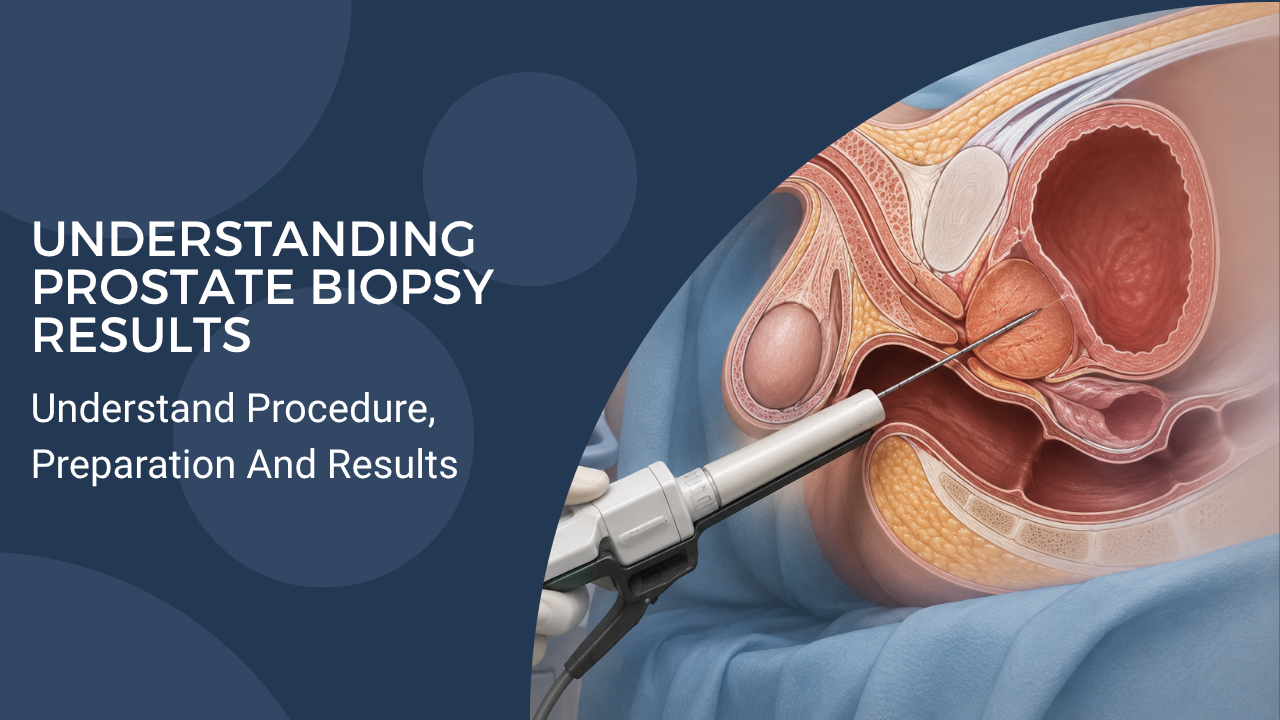
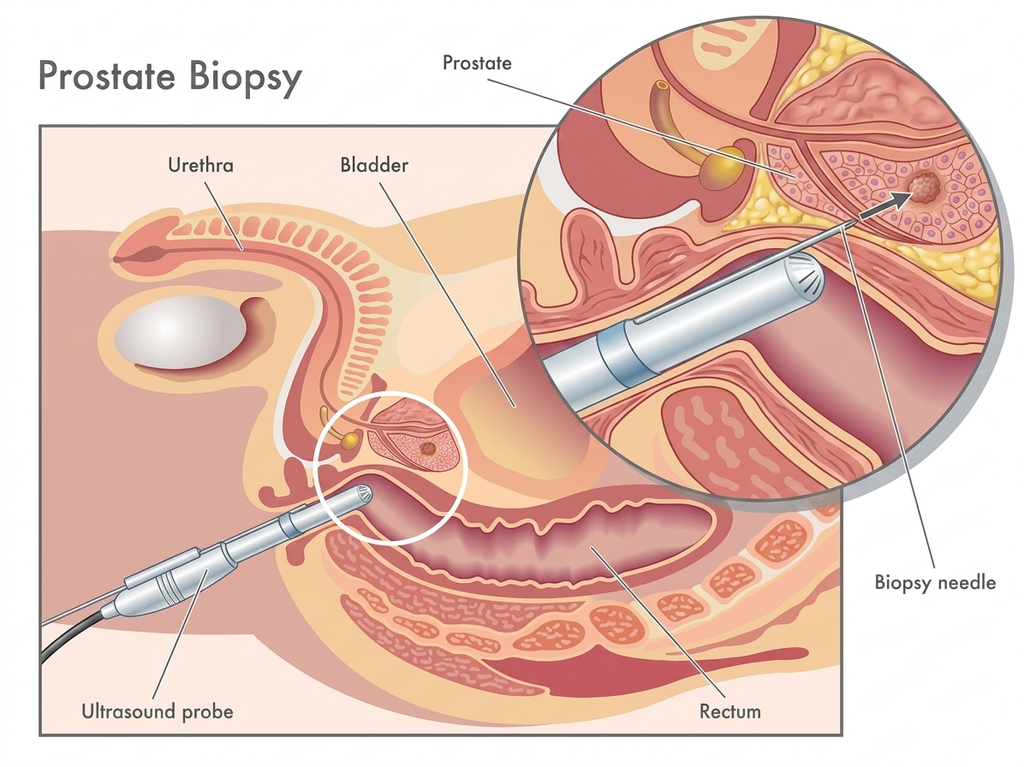
In this method, an ultrasound probe is gently placed through the rectum to create images of the prostate. A thin needle collects small tissue samples from different areas of the gland.
Transperineal Prostate Biopsy
This approach collects samples through the skin between the scrotum and anus. It is increasingly used because it may lower the chance of infection compared with some traditional methods.
Before collecting samples, local anaesthesia is given to reduce discomfort. You may feel pressure or a brief sensation when the needle collects tissue.
The samples are then sent to a laboratory where a pathologist examines them for abnormal cells.
What Happens After a Prostate Biopsy?
Most patients return home on the same day after the procedure. Your doctor will provide instructions for recovery and activities.
Common Changes After Biopsy
Some temporary changes may occur, such as:
- Mild discomfort around the biopsy area
- Small amounts of blood in urine or stool
- Blood in semen for a few weeks
- Mild urinary symptoms
These changes usually improve with time. Follow your doctor’s instructions regarding medicines, physical activity, and follow-up appointments.
Recovery Tips
After a biopsy, you can support recovery by:
- Drinking enough fluids
- Taking prescribed medicines on time
- Avoiding heavy exercise for the advised period
- Reporting unusual symptoms to your doctor
Your biopsy report is usually available within a few days to one week. Your doctor will explain the findings and discuss the next steps.
Understanding Prostate Biopsy Results
The biopsy report provides important information about the prostate cells. If cancer is found, the report may mention the Gleason score or Grade Group.
These details help doctors understand:
- How abnormal the cancer cells look
- How quickly the cancer may grow
- Which treatment options may be suitable
Treatment decisions are personalised. Some prostate cancers grow slowly and may require monitoring, while others need active treatment.
A specialist consultation plays an important role in choosing the right approach. A qualified Uro-Oncologist in Mumbai can evaluate your reports, explain treatment options, and guide you through the next steps.
Role of Advanced Treatment Options in Prostate Cancer Care
Treatment for prostate cancer depends on several factors, including cancer stage, age, overall health, and personal preferences.
Modern approaches may include:
- Active surveillance
- Surgery
- Radiation therapy
- Hormone therapy
- Targeted treatments
For patients requiring surgical management, advanced techniques have improved precision and recovery outcomes.
Specialists experienced in Uro Oncology Robotic Surgery in Mumbai use robotic-assisted technology to perform complex prostate procedures with better visualisation and controlled movements.
Dr. Varun V. Agarwal provides specialised care in uro-oncology and focuses on accurate diagnosis and personalised treatment planning for patients with prostate-related conditions.
FAQs About Prostate Biopsy
1. Is a prostate biopsy painful?
A prostate biopsy may cause mild discomfort, pressure, or a brief pinching sensation. Local anaesthesia helps minimise pain during the procedure.
2. How long does a prostate biopsy take?
Most prostate biopsies are completed within 15 to 30 minutes. Patients can usually return home the same day.
3. Does a prostate biopsy confirm cancer?
Yes. A prostate biopsy is the most reliable test to confirm whether prostate cancer cells are present.
4. Can a prostate biopsy increase cancer spread?
No. A properly performed prostate biopsy does not spread cancer. It is a standard diagnostic procedure used worldwide.
5. How soon can I return to normal activities after a prostate biopsy?
Many men return to regular activities within a few days. Your doctor may advise avoiding strenuous exercise for a short time.
6. What happens if prostate cancer is found in the biopsy?
If cancer is detected, your doctor will discuss the grade, stage, and available treatment options. The right Prostate Cancer Treatment depends on your individual condition.
7. When should I consult a Uro-Oncologist?
You should consider consulting a specialist if you have abnormal PSA results, suspicious imaging findings, or a confirmed prostate cancer diagnosis. A Uro-Oncologist can provide expert guidance throughout diagnosis and treatment.
Conclusion
A prostate biopsy is an important step in understanding prostate health and diagnosing prostate cancer accurately. Knowing what to expect before, during, and after the procedure can help reduce stress and prepare you for the process.
If your doctor recommends a biopsy, discuss your concerns and understand the reason behind the test. Early diagnosis, expert evaluation, and personalised Prostate Cancer Treatment can help improve outcomes and support better long-term health.