 by
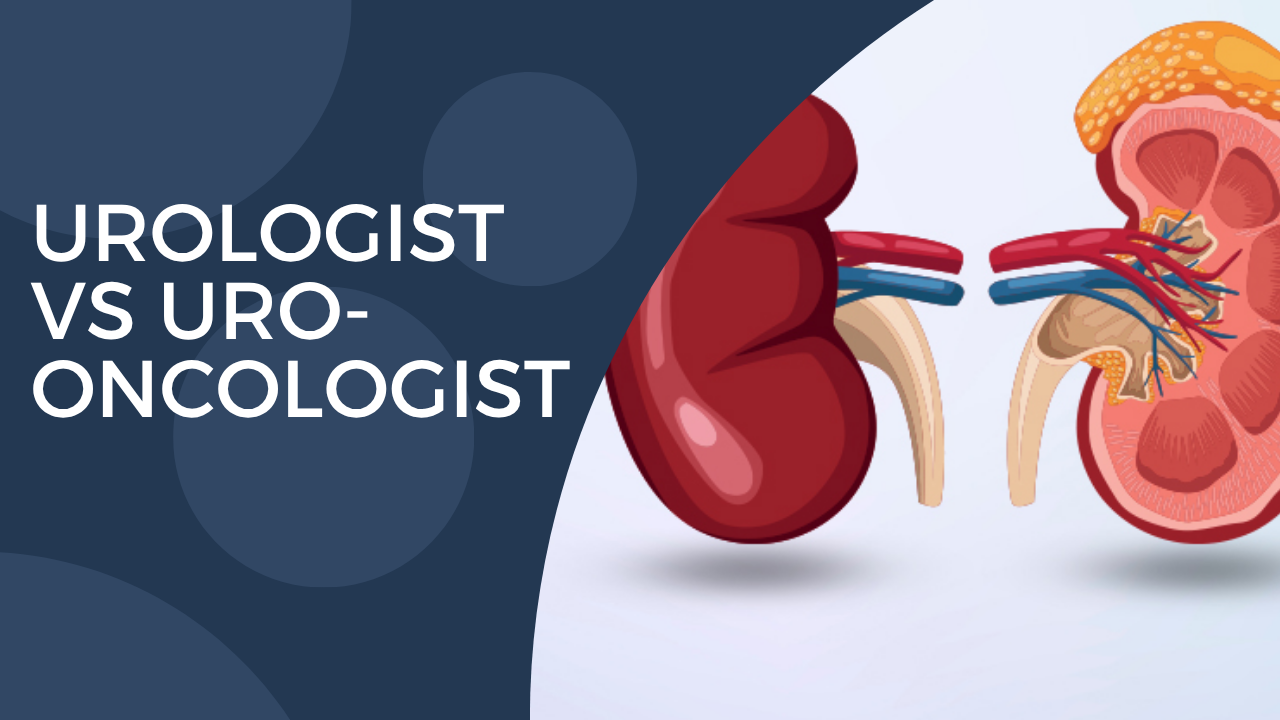
Many patients searching for treatment of urinary or prostate-related problems often come across two terms — urologist and uro-oncologist.
At first glance, they may sound similar. After all, both deal with the urinary system and male reproductive organs. But when it comes to cancer diagnosis and advanced treatment, the difference becomes important.
Understanding who treats what can help patients avoid confusion, seek the right care early, and make informed treatment decisions.
If you’ve been advised to consult a specialist or recently received abnormal test results, this guide will help you clearly understand the difference between a urologist and a uro-oncologist.
First, What Does a Urologist Do?
A urologist is a specialist who diagnoses and treats conditions affecting the:
- Kidneys
- Bladder
- Urinary tract
- Prostate
- Male reproductive organs
They manage both surgical and non-surgical conditions.
Common Conditions Treated by a Urologist
A general urologist commonly treats:
Kidney Stones
Painful stones in the kidneys or urinary tract.
Urinary Tract Infections (UTIs)
Recurring infections affecting urination.
Enlarged Prostate (BPH)
Common in older men and may cause difficulty urinating.
Male Infertility
Conditions affecting reproductive health.
Urinary Problems
Such as frequent urination, incontinence, or urinary blockage.
Patients often consult a urologist in vashi for these common urological conditions.
What Is a Uro-Oncologist?
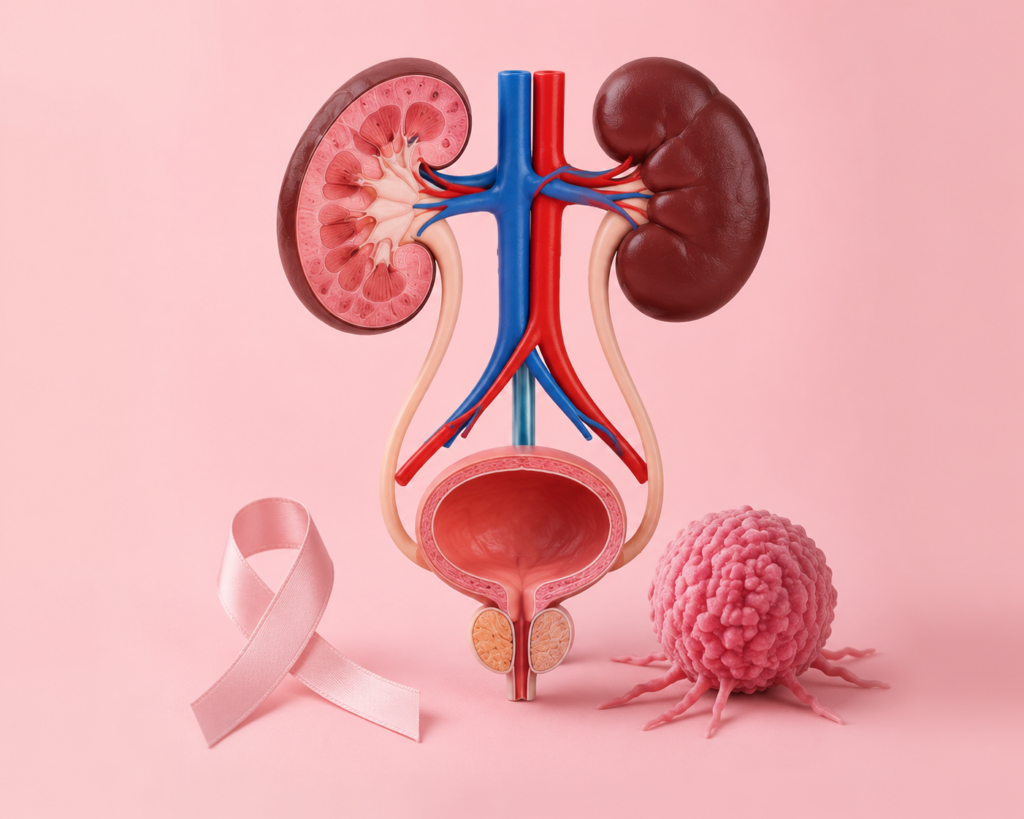
A uro-oncologist is a doctor who specializes specifically in cancers of the urinary system and male reproductive organs.
In simple words:
A uro-oncologist is a cancer-focused urology specialist.
They manage complex cancers involving:
- Kidney
- Bladder
- Prostate
- Testicles
- Penis
- Adrenal glands
Why the Difference Matters
Not every urinary problem is cancer.
A patient with kidney stones usually needs a urologist.
A patient with a kidney tumor may require a uro-oncologist.
The difference lies in the level of specialization.
A Simple Way to Understand It
Think of it this way:
Urologist = General Specialist
Treats routine and non-cancerous urinary conditions.
Uro-Oncologist = Cancer Specialist
Handles tumors, cancer diagnosis, staging, and advanced surgical treatment.
When Does a Urologist Refer You to a Uro-Oncologist?
This usually happens when tests suggest:
- A tumor or mass
- Elevated cancer markers
- Suspicious imaging findings
- Confirmed cancer diagnosis
The uro-oncologist then takes over cancer-specific treatment planning.
Conditions That Usually Need a Uro-Oncologist
Kidney Cancer
Symptoms may include:
- Blood in urine
- Back pain
- Weight loss
Treatment often requires specialized cancer surgery.
Bladder Cancer
One of the most common warning signs is painless blood in urine.
Management may involve:
- Tumor removal
- Immunotherapy
- Reconstructive procedures
Prostate Cancer
A uro-oncologist evaluates:
- PSA levels
- Biopsy reports
- Cancer staging
- Treatment suitability
Testicular and Penile Cancer
These cancers require early specialist intervention for the best outcomes.
Modern Cancer Care Requires Advanced Expertise
Uro-oncology today goes beyond traditional surgery.
Specialists may use:
- Robotic-assisted surgery
- Minimally invasive techniques
- Precision imaging
- Personalized treatment planning
This helps improve:
Why Patients Often Get Confused
The confusion happens because both specialists work in the same body system.
For example:
- Difficulty urinating → usually urologist
- Blood in urine + tumor on scan → uro-oncologist
Many symptoms overlap, which is why proper evaluation is important.
Can a Urologist Treat Cancer Too?
Some general urologists do manage certain cancer cases.
However, complex cancers often benefit from a specialist with dedicated expertise in uro-oncology, especially when advanced surgery or multidisciplinary treatment is required.
The Importance of Early Consultation
One major mistake patients make is delaying specialist evaluation.
Symptoms such as:
- Blood in urine
- Persistent urinary problems
- Elevated PSA
- Unexplained pelvic pain
should not be ignored.
Early diagnosis often means:
- More treatment options
- Less invasive procedures
- Better outcomes
Choosing the Right Specialist
The right specialist depends on your condition.
You may initially visit a urologist in vashi for general urinary symptoms. If cancer is suspected or confirmed, consultation with an experienced uro-oncology expert becomes essential.
Patients often seek care from Dr. Varun Agarwal, known for expertise in advanced urological cancer treatment and minimally invasive surgery.
As an experienced uro oncologist in mumbai, he focuses on:
- Accurate diagnosis
- Personalized treatment planning
- Robotic and minimally invasive procedures
- Comprehensive cancer care
What Happens During a Uro-Oncology Consultation?
Your first visit may include:
- Reviewing symptoms
- Examining previous reports
- Understanding scan findings
- Discussing treatment possibilities
Additional tests may be recommended depending on the condition.
The goal is not just treatment — it’s creating a long-term care strategy.
One Important Thing Patients Should Remember
Not every urinary symptom means cancer.
But ignoring symptoms because of fear can delay diagnosis.
The smartest approach is simple:
Get evaluated early, especially if symptoms persist.
Frequently Asked Questions (FAQs)
Is a uro-oncologist also a urologist?
Yes. A uro-oncologist is a urologist with additional specialization in cancer treatment.
Should I see a urologist or uro-oncologist first?
For general urinary symptoms, a urologist is usually the first step. If cancer is suspected, you may be referred to a uro-oncologist.
What cancers does a uro-oncologist treat?
They treat kidney, bladder, prostate, penile, testicular, and adrenal cancers.
Can a uro-oncologist perform robotic surgery?
Yes. Many specialists are trained in robotic-assisted cancer surgeries.
When should I seek specialist evaluation?
You should seek medical advice if you have blood in urine, abnormal scans, elevated PSA, or persistent urinary symptoms.
Final Thoughts
The difference between a urologist and a uro-oncologist becomes important when cancer enters the picture.
While a urologist manages a broad range of urinary conditions, a uro-oncologist focuses specifically on cancer diagnosis, staging, and advanced treatment.
Understanding this distinction helps patients seek the right care at the right time.
If you’re dealing with concerning symptoms or abnormal reports, consulting an experienced specialist like Dr. Varun Agarwal, a trusted uro oncologist in Mumbai, can help you move forward with clarity, confidence, and the right treatment plan.