
A diagnosis of bladder cancer can feel overwhelming. For many patients, the first thoughts are often:
- What happens next?
- Will surgery be necessary?
- How long is recovery?
The good news is that bladder cancer treatment has advanced significantly in recent years. Today, patients have access to modern therapies, minimally invasive procedures, and personalized treatment plans that improve both outcomes and quality of life.
Understanding the available treatment options and the recovery journey can help patients feel more informed and prepared.
Understanding Bladder Cancer
Bladder cancer begins when abnormal cells grow in the lining of the bladder. In many cases, it develops slowly and may initially remain confined to the inner layers of the bladder.
The treatment approach depends on several factors, including:
- The stage of the cancer
- Tumor size and location
- Whether the cancer has spread
- The patient’s overall health
This is why treatment plans are highly individualized.
Common Symptoms That Lead to Diagnosis
Many patients seek evaluation after noticing symptoms such as:
- Blood in urine (most common sign)
- Frequent urination
- Burning sensation while urinating
- Urgency to urinate
- Pelvic discomfort
Early diagnosis plays a major role in improving treatment success.
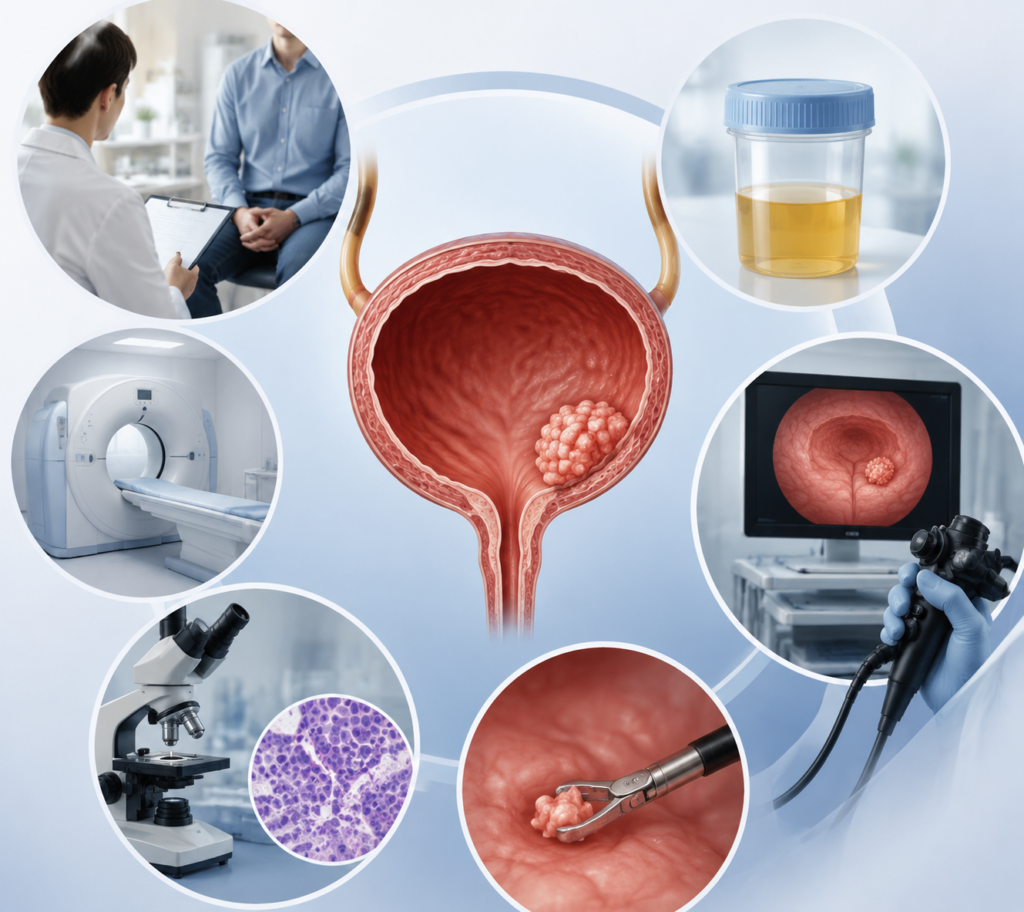
How Bladder Cancer Is Diagnosed
Before treatment begins, doctors perform several tests to confirm the diagnosis and determine the stage.
These may include:
Cystoscopy
A thin camera is inserted into the bladder to examine abnormal areas.
Imaging Tests
CT scans, MRI, or ultrasound help evaluate the bladder and surrounding structures.
Biopsy
A tissue sample confirms whether cancer is present.
Accurate staging helps doctors choose the most effective treatment approach.
Treatment Options for Bladder Cancer
Bladder cancer treatment is not the same for every patient. Early-stage and advanced-stage cancers are treated differently.
1. Transurethral Resection of Bladder Tumor (TURBT)
For many early-stage cancers, TURBT is the first treatment step.
What Happens During TURBT?
A surgeon removes the tumor using specialized instruments passed through the urethra—without external cuts.
Benefits
- Minimally invasive
- Short hospital stay
- Faster recovery
This procedure is commonly used for non-muscle invasive bladder cancer.
2. Intravesical Therapy
After tumor removal, some patients require medication delivered directly into the bladder.
Why It’s Done
The goal is to:
- Reduce recurrence risk
- Destroy remaining abnormal cells
Common Types
- BCG immunotherapy
- Intravesical chemotherapy
This approach is widely used in early-stage disease.
3. Radical Cystectomy (Bladder Removal Surgery)
For advanced or muscle-invasive cancer, removal of the bladder may be necessary.
This procedure is called a radical cystectomy.
When Is It Recommended?
- Cancer has spread into the bladder muscle
- High-risk or recurrent tumors
Modern Surgical Advances
Today, many bladder surgeries can be performed using minimally invasive or robotic-assisted techniques.
Benefits may include:
- Smaller incisions
- Reduced blood loss
- Faster recovery
- Improved precision
4. Chemotherapy
Chemotherapy uses medications to destroy cancer cells.
It may be used:
- Before surgery (to shrink tumors)
- After surgery (to reduce recurrence risk)
- For advanced cancer
5. Immunotherapy
Immunotherapy has transformed bladder cancer treatment in recent years.
Instead of directly attacking cancer cells, it helps the immune system recognize and fight them.
This is especially helpful in:
- Recurrent cancers
- Advanced-stage disease
- Patients unsuitable for surgery
6. Radiation Therapy
Radiation may be used:
- Along with chemotherapy
- When surgery is not possible
- To control symptoms in advanced cases
Recovery After Bladder Cancer Treatment
Recovery varies depending on the treatment type.
Some patients recover within days, while others require longer rehabilitation.
Recovery After TURBT
Most patients:
- Return home within a day
- Experience mild discomfort temporarily
- Resume routine activities quickly
Temporary burning or blood in urine may occur.
Recovery After Major Surgery
Recovery after bladder removal surgery takes longer.
Patients may need:
- Hospital stay
- Catheter care
- Dietary adjustments
- Gradual physical recovery
Support from healthcare teams plays an important role during this phase.
Emotional Recovery Matters Too
One aspect often overlooked is emotional recovery.
Cancer treatment can affect:
- Mental well-being
- Sleep
- Confidence
- Daily routine
Patients should not hesitate to seek emotional support or counseling if needed.
Lifestyle Changes That Support Recovery
Certain habits may improve recovery and long-term health.
Helpful Lifestyle Tips
- Stop smoking
- Stay hydrated
- Eat a balanced diet
- Follow follow-up schedules
- Maintain physical activity as advised
These changes also help reduce recurrence risk.
Why Follow-Up Care Is So Important
Bladder cancer has a higher chance of recurrence compared to some other cancers.
Regular follow-ups help doctors:
- Detect recurrence early
- Monitor recovery
- Adjust treatment if needed
Follow-up may include:
- Repeat cystoscopy
- Urine tests
- Imaging scans
Why Choosing the Right Specialist Matters
Bladder cancer treatment often requires careful coordination between diagnosis, surgery, and long-term monitoring.
Patients frequently seek care from experienced specialists like Dr. Varun Agarwal, known for expertise in advanced uro-oncology and minimally invasive cancer surgery.
As a trusted uro oncologist in mumbai, he focuses on:
- Accurate cancer staging
- Personalized treatment plans
- Organ-preserving approaches when possible
- Advanced surgical techniques
For patients exploring bladder cancer treatment in mumbai, specialist expertise can significantly impact treatment decisions and outcomes.
A Common Patient Concern
Many patients ask:
“Can bladder cancer be cured?”
The answer depends on the stage and how early treatment begins.
When detected early, bladder cancer is often highly treatable.
This is why ignoring symptoms like blood in urine can be risky.
Frequently Asked Questions (FAQs)
What is the most common treatment for bladder cancer?
Treatment often begins with TURBT for early-stage disease, while advanced cases may require surgery, chemotherapy, or immunotherapy.
Is bladder cancer surgery painful?
Modern surgical techniques and pain management strategies help reduce discomfort significantly.
How long does recovery take after bladder cancer surgery?
Recovery varies depending on the procedure. Minimally invasive treatments may require days, while major surgery can take several weeks.
Can bladder cancer come back after treatment?
Yes, recurrence is possible, which is why regular follow-ups are important.
When should I seek specialist evaluation?
You should consult a doctor if you experience blood in urine, urinary changes, or persistent bladder symptoms.
Final Thoughts
Bladder cancer treatment today is more advanced and personalized than ever before.
From minimally invasive tumor removal to modern immunotherapy approaches, patients now have access to treatment options that improve both survival and quality of life.
The most important step is early action.
If symptoms are persistent or concerning, seeking expert evaluation for bladder cancer treatment in mumbai can help ensure timely diagnosis and appropriate care.
Because when it comes to cancer treatment, informed decisions and early intervention truly matter.