
 by
Every year, thousands of people are diagnosed with cancers affecting the urinary system, including prostate, kidney, bladder, and testicular cancers. The difference between an early diagnosis and a delayed diagnosis can completely change the treatment journey. When detected before the cancer spreads, doctors often have more treatment options and better chances of controlling the disease. Understanding symptoms, screening options, and risk factors can help you take timely action for your health.
A small change like blood in urine, difficulty passing urine, or an unusual lump should not be ignored. Consulting a specialist at the right time can help identify problems early. A qualified Uro-Oncologist in Mumbai can evaluate symptoms, recommend appropriate tests, and guide you through the right treatment approach.
What Are Urological Cancers and Why Does Early Detection Matter?
Urological cancers affect organs involved in urine production and elimination, along with the male reproductive system.
These include:
- Prostate cancer
- Kidney cancer
- Bladder cancer
- Testicular cancer
- Cancer of the urinary tract
Some urological cancers grow without obvious symptoms in the beginning. This is why regular health discussions and timely investigations are important, especially for people with risk factors.
Consider two different situations.
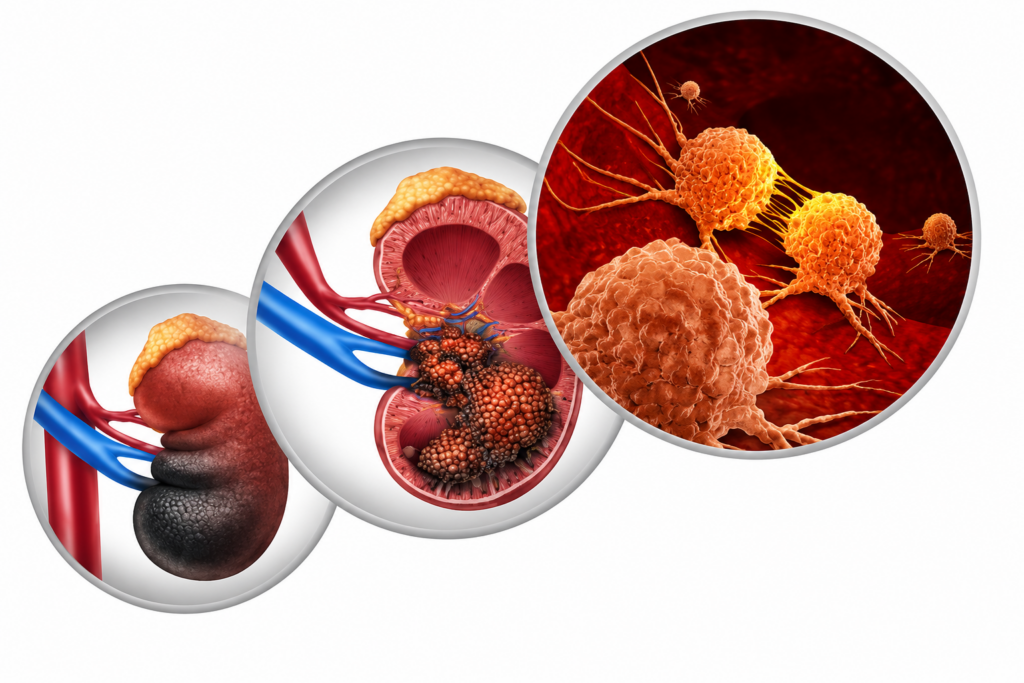
A patient with an early kidney tumor may undergo surgery to remove the affected area while preserving healthy kidney tissue. Another patient who delays consultation until the cancer spreads may require more extensive treatment involving multiple therapies.
The cancer itself may not always cause discomfort in the early stage, but waiting for symptoms to become severe can reduce treatment choices.
Early Warning Signs of Urological Cancer You Should Never Ignore
Your body often gives signals when something is not normal. Recognising these signs and seeking medical advice can lead to an earlier diagnosis.
Blood in Urine
Blood in urine, also known as hematuria, is one of the important symptoms linked with urinary problems.
It can occur due to infections or kidney stones, but it can also indicate bladder or kidney cancer.
Do not wait to see if it happens again. Schedule a medical evaluation if you notice blood while passing urine.
Changes in Urination
Pay attention to:
- Difficulty starting urine flow
- Weak urine stream
- Frequent urination, especially at night
- Feeling that your bladder has not emptied completely
- Pain while urinating
These symptoms can occur due to several conditions, including prostate problems and urological cancers.
Unexplained Pain
Persistent pain in the lower back, side of the body, pelvis, or abdomen requires evaluation.
For example, kidney tumors can sometimes cause pain near the flank area when they become larger.
Testicular Changes
A painless lump, swelling, heaviness, or change in testicle size should never be ignored.
Testicular cancer can progress quickly in some cases, and early evaluation improves treatment outcomes.
Who Should Consider Urological Cancer Screening?
Screening depends on your age, family history, medical condition, and personal risk factors.
Prostate Cancer Screening
Men should discuss prostate cancer screening with their doctor, especially around age 50. Men with higher risk, such as those with a family history of prostate cancer, may need earlier discussions.
The PSA blood test is commonly used as part of prostate cancer evaluation. Doctors may combine PSA results with other assessments to understand an individual’s risk.
Family History of Cancer
Your risk may increase if close family members have had:
- Prostate cancer
- Kidney cancer
- Bladder cancer
- Certain inherited cancer conditions
Inform your doctor about your family history during routine consultations.
Lifestyle and Workplace Risk Factors
Certain factors can increase the chances of developing some urological cancers.
These include:
- Smoking, which is strongly linked with bladder cancer risk
- Long-term exposure to certain industrial chemicals
- Obesity and unhealthy lifestyle habits
- Previous radiation exposure in specific situations
Knowing your risk factors helps your doctor decide whether you need closer monitoring.
How Doctors Diagnose Urological Cancer
If your symptoms or screening results raise concern, your doctor may recommend further evaluation.
Blood and Urine Tests
Urine tests can detect blood, abnormal cells, or signs of urinary problems.
Blood tests such as PSA help assess prostate health.
Imaging Tests
Doctors use imaging methods such as:
- Ultrasound
- CT scan
- MRI
These tests help identify abnormal growths and understand the location and size of a tumor.
Biopsy
A biopsy involves collecting a small tissue sample for laboratory examination.
It helps confirm whether cancer cells are present and provides information about the type of cancer.
Treatment Options for Urological Cancer
Treatment depends on the type of cancer, stage, overall health, and individual needs.
Common treatment options include:
Surgery
Surgery remains an important treatment option for many localized urological cancers.
Modern techniques aim to remove cancer while preserving healthy tissues whenever possible.
Robotic-Assisted Surgery
Advanced surgical techniques have improved precision and recovery for selected patients.
Uro Oncology Robotic Surgery in Mumbai allows surgeons to perform complex procedures through smaller incisions with enhanced visualization and control.
Patients diagnosed with prostate, kidney, or bladder cancer may benefit from robotic approaches depending on their condition.
Personalised Cancer Care
Every cancer behaves differently.
A specialist evaluates your reports, imaging findings, and overall health before recommending treatment.
Consulting an experienced specialist such as Dr. Varun V. Agarwal helps patients understand available options and make informed decisions about their care.
Why Choose a Specialist for Urological Cancer Treatment?
Urological cancers require specialised knowledge because they involve delicate organs and complex treatment decisions.
A Uro-Oncologist focuses on cancers affecting the urinary and male reproductive systems.
A specialist can help with:
- Accurate diagnosis
- Understanding cancer stage
- Selecting suitable treatment options
- Managing side effects
- Long-term follow-up care
For patients looking for Kidney Cancer Treatment in Mumbai, evaluation by an experienced uro-oncology team can help create a treatment plan based on the cancer stage and individual health needs.
Frequently Asked Questions About Urological Cancer
1. Can urological cancer be treated successfully if detected early?
Yes. Early-stage urological cancers often provide more treatment options because the disease is usually limited to its original location. The outcome depends on the cancer type, stage, and overall health.
2. Does blood in urine always mean cancer?
No. Blood in urine can happen due to infections, kidney stones, or other urinary conditions. Still, it should always be checked because it can also be an early sign of bladder or kidney cancer.
3. Is a PSA test painful?
No. A PSA test is a simple blood test. Your doctor may recommend it based on your age, risk factors, and health history.
4. Does prostate cancer always cause urinary symptoms?
No. Early prostate cancer may not cause noticeable urinary symptoms. This is why discussions about screening are important for men at risk.
5. Does finding a kidney tumor always mean kidney removal?
Not always. Treatment depends on tumor size, location, and cancer stage. Some patients may undergo procedures that preserve part of the kidney.
Conclusion
Early detection can change the course of urological cancer treatment. Paying attention to warning signs, following appropriate screening advice, and consulting a specialist at the right time can help identify cancer before it becomes more difficult to manage. If you notice changes in your urinary health or have risk factors, seek guidance from an experienced Uro-Oncologist in Mumbai. Timely evaluation and the right treatment approach can help you take control of your health and improve your chances of better outcomes.