 by
Kidney cancer is one of the most common urological cancers, and with advancements in medical science, patients today have access to highly effective treatment options. Choosing the right treatment depends on several factors, including the stage of the disease, overall health, and tumor characteristics.
Patients seeking kidney cancer treatment in Mumbai often have questions about whether surgery or targeted therapy is the better option. Understanding how these treatments work can help patients make informed decisions and achieve better outcomes.
Understanding Kidney Cancer
Kidney cancer occurs when abnormal cells grow uncontrollably in the kidneys. The most common type is renal cell carcinoma, which develops in the lining of small tubes within the kidney.
Early detection plays a crucial role in successful treatment. In many cases, kidney tumors are detected incidentally during imaging tests for unrelated conditions.
Common symptoms may include:
- Blood in urine
- Persistent back or side pain
- Unexplained weight loss
- Fatigue
However, many patients may not experience symptoms in the early stages.
Why Choosing the Right Treatment Matters
The treatment approach for kidney cancer depends on:
- Stage and size of the tumor
- Whether cancer has spread
- Patient’s overall health
- Kidney function
Consulting an experienced kidney cancer specialist in Mumbai ensures accurate diagnosis and a personalized treatment plan.
Surgical Treatment for Kidney Cancer
Surgery is the most common and often the most effective treatment for localized kidney cancer. It involves removing the tumor or the entire kidney, depending on the severity of the disease.
Types of Kidney Tumor Surgery
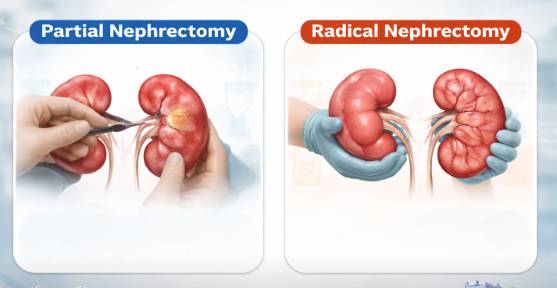
Partial Nephrectomy
This procedure involves removing only the tumor while preserving the rest of the kidney. It is usually recommended for smaller tumors.
Radical Nephrectomy
In cases where the tumor is large or has spread within the kidney, the entire kidney may need to be removed.
Patients undergoing kidney tumor surgery in Mumbai benefit from advanced techniques that improve precision and recovery.
Minimally Invasive and Robotic Surgery
Modern surgical techniques, including laparoscopic and robotic-assisted surgery, have transformed kidney cancer treatment.
Benefits include:
- Smaller incisions
- Reduced blood loss
- Faster recovery
- Shorter hospital stay
These techniques are widely available at leading centers offering kidney cancer treatment in Mumbai.
Targeted Therapy for Kidney Cancer
Targeted therapy is an advanced treatment approach that uses drugs designed to target specific molecules involved in cancer growth.
Unlike traditional chemotherapy, targeted therapy focuses on cancer cells while minimizing damage to healthy tissues.
How Targeted Therapy Works
Targeted therapy blocks:
- Blood vessel formation (angiogenesis)
- Growth signals that cancer cells rely on
This helps slow down or stop tumor growth.
When Is Targeted Therapy Recommended?
Targeted therapy is often used in:
- Advanced or metastatic kidney cancer
- Cases where surgery is not possible
- Patients with recurrence after surgery
Doctors may also combine targeted therapy with other treatments for better results.
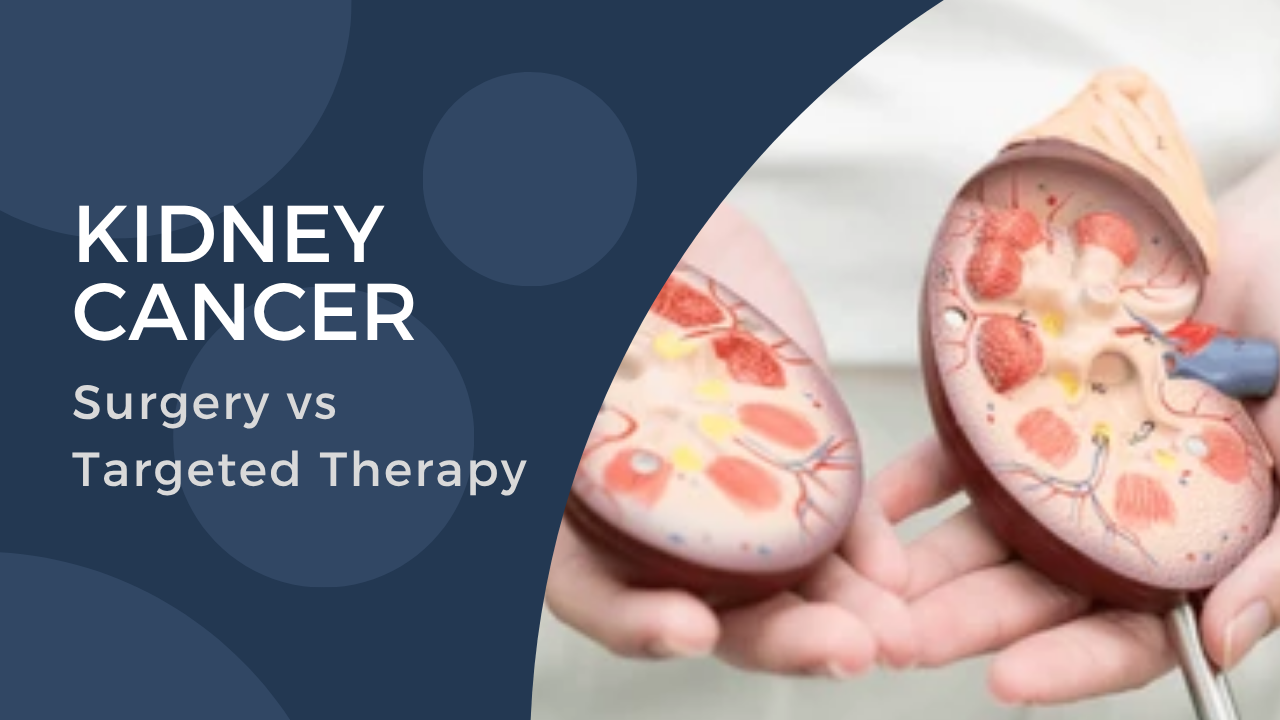
Surgery vs Targeted Therapy: Which Is Better?
Both treatment options have their advantages, and the choice depends on individual patient conditions.
Surgery Is Preferred When:
- Cancer is localized
- Tumor is operable
- Patient is fit for surgery
Targeted Therapy Is Preferred When:
- Cancer has spread beyond the kidney
- Surgery is not feasible
- Cancer recurs after surgery
In many cases, doctors may use a combination of treatments for optimal results.
Role of a Kidney Cancer Specialist
Managing kidney cancer requires expertise in both diagnosis and treatment planning. A specialist evaluates each case carefully and recommends the most effective approach.
Patients seeking kidney cancer treatment in Mumbai often consult experienced professionals who offer advanced diagnostic tools and personalized care.
One such expert is Dr. Varun V. Agarwal, known for his expertise in uro-oncology and advanced surgical techniques. With extensive experience in treating complex kidney cancers, he focuses on precision-based treatment and patient-centered care.
Importance of Early Diagnosis
Early detection significantly improves treatment outcomes.
When kidney cancer is diagnosed at an early stage:
- Surgery can be highly effective
- Less aggressive treatment may be required
- Survival rates are higher
Regular health checkups and imaging tests can help detect kidney tumors before symptoms appear.
Recovery and Follow-Up Care
After treatment, regular follow-up is essential to monitor recovery and detect any recurrence.
Follow-up care may include:
- Imaging tests
- Blood tests
- Lifestyle modifications
- Regular doctor consultations
Patients are also advised to maintain a healthy lifestyle, including proper diet and physical activity.
Frequently Asked Questions (FAQs)
What is the best treatment for kidney cancer?
The best treatment depends on the stage of the cancer. Surgery is often preferred for early-stage cancer, while targeted therapy is used for advanced cases.
Is kidney tumor surgery safe?
Yes, modern surgical techniques such as minimally invasive and robotic surgery have made kidney tumor surgery safer with faster recovery.
What is targeted therapy for kidney cancer?
Targeted therapy uses drugs that specifically attack cancer cells by blocking their growth and blood supply.
Can kidney cancer be treated without surgery?
In some cases, especially advanced stages, targeted therapy or immunotherapy may be used instead of surgery.
How do I choose the right kidney cancer specialist in Mumbai?
Look for a specialist with experience in uro-oncology, access to advanced technology, and a patient-focused approach.
Final Thoughts
Kidney cancer treatment has evolved significantly, offering patients multiple effective options. Whether through surgery or targeted therapy, the goal is to provide personalized care based on the patient’s condition.
Patients exploring kidney cancer treatment in Mumbai should consult experienced specialists who can guide them through diagnosis, treatment options, and recovery.
Understanding the differences between surgery and targeted therapy helps patients make informed decisions and achieve better outcomes.