 by
A cancer diagnosis or major urological problem can bring many questions. Patients often worry about pain, recovery time, urinary control, and quality of life after surgery. Robotic-assisted surgery has changed how many urological procedures are performed by allowing surgeons to work through smaller incisions with greater precision. This blog explains how robotic urology surgery works, what recovery looks like, and what patients should know before choosing their treatment approach.
What Is Robotic Urology Surgery and Why Is It Used?
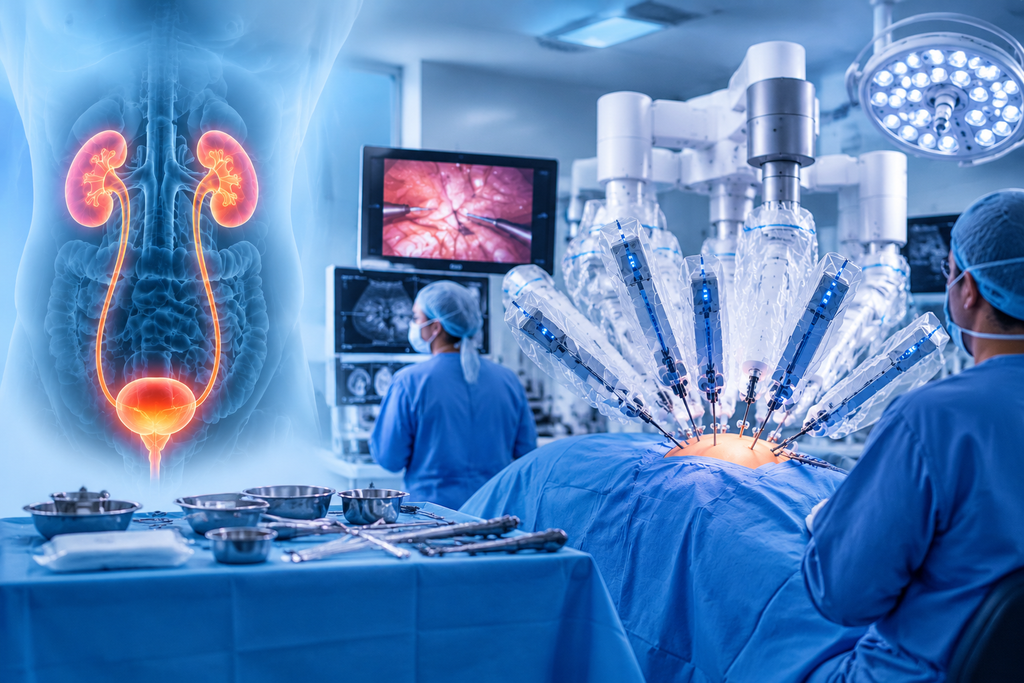
Robotic urology surgery is a minimally invasive technique used for complex procedures involving the prostate, kidney, bladder, and urinary system.
The surgeon controls a robotic surgical system from a console while using specialised instruments placed through small openings in the abdomen. The system provides a magnified 3D view and allows controlled movements that help the surgeon perform delicate steps around important nerves and blood vessels.
Robotic surgery is commonly used for:
- Robotic radical prostatectomy for prostate cancer
- Partial nephrectomy for selected kidney tumors
- Bladder cancer surgeries
- Urinary reconstruction procedures
Today, robotic-assisted techniques are widely used in advanced urological care. For patients exploring Uro Oncology Robotic Surgery in Mumbai, understanding the procedure and expected recovery can help them make informed treatment decisions.
Why Robotic Surgery Changed Prostate Cancer Treatment
For many men diagnosed with prostate cancer, surgery aims to remove cancer while preserving important functions such as urinary control and sexual health.
The prostate is located close to nerves responsible for erections and muscles that control urine flow. This makes precision extremely important during surgery.
Robotic systems provide:
- High-definition magnified vision
- Better identification of small structures
- Precise instrument movement
- Improved access to the narrow pelvic area
During nerve-sparing prostate surgery, the surgeon carefully works around the neurovascular bundles surrounding the prostate. These tiny nerve structures are difficult to see clearly during traditional surgery but can be viewed with greater detail using robotic technology.
Patients should also have realistic expectations. Recovery of urinary control and erectile function varies from person to person. Some patients notice improvement within weeks, while nerve recovery related to erections can continue over 6 to 18 months depending on age, health, cancer stage, and nerve preservation.
A detailed discussion with an experienced Uro-Oncologist in Mumbai can help patients understand their expected outcomes before surgery.
Robotic Surgery Recovery Timeline: What Happens After the Procedure?
Many patients want to know one thing first: “How long will it take before I feel normal again?”
Recovery depends on the type of surgery and individual healing, but a general timeline can help you prepare.
Days 1 to 2: Early Recovery
Most patients are encouraged to start walking within hours after surgery.
Early movement helps reduce the risk of blood clots and supports recovery.
During this period:
- Pain is usually managed with oral medicines
- Patients start moving around with assistance
- Food intake gradually returns to normal
- The surgical team monitors recovery progress
For robotic prostatectomy, many patients are discharged within 24 to 48 hours if there are no complications.
Week 1: Catheter Removal and Initial Healing
After prostate surgery, a urinary catheter is usually kept for around 7 to 10 days to allow healing.
During this stage, patients focus on:
- Incision care
- Maintaining hydration
- Following pelvic floor exercise guidance
- Avoiding heavy physical activity
Pelvic floor exercises, also called Kegel exercises, may help improve urinary control after surgery.
Weeks 2 to 4: Returning to Daily Activities
Many patients gradually return to office-based work during this period if their recovery is progressing well.
Walking is encouraged, but heavy lifting and intense exercise are usually avoided.
Patients continue follow-up visits to monitor healing and discuss further recovery steps.
Week 6 and Beyond: Long-Term Recovery
After around six weeks, many patients can slowly resume more physical activities based on their doctor’s advice.
Follow-up care may include:
- Reviewing pathology reports
- Monitoring PSA levels after prostate cancer surgery
- Discussing rehabilitation support
Recovery is a process, and regular communication with your surgical team plays an important role.
Smaller Incisions, Less Blood Loss, and Faster Recovery
One major difference between open surgery and robotic surgery is the size of the surgical access.
Traditional open prostate surgery may require a larger abdominal incision. Robotic procedures are usually performed through 4 to 5 small port openings, often around 8 to 12 mm each.
Smaller incisions can help reduce:
- Post-operative discomfort
- Wound-related problems
- Visible scarring
- Recovery time
During robotic prostate procedures, blood loss is often significantly lower compared with open surgery. Many robotic cases involve blood loss in the range of 150 to 200 mL, which can reduce the need for blood transfusion.
These benefits do not mean every patient will have the same recovery experience. Your medical condition, surgical complexity, and overall health influence your outcome.
Robotic Kidney Surgery: Treating Cancer While Protecting Kidney Function
Robotic technology is also used in kidney cancer treatment.
When a kidney tumor is suitable for removal without taking out the entire kidney, surgeons may perform a partial nephrectomy.
The aim is to remove the tumor while preserving as much healthy kidney tissue as possible.
Robotic partial nephrectomy helps surgeons perform careful dissection around important kidney structures. Preserving kidney function is an important part of long-term health, especially for patients with other medical conditions.
Choosing the Right Robotic Surgeon Matters
Robotic technology is a tool. The surgeon’s experience, decision-making, and understanding of cancer treatment remain important factors.
Patients should consider:
- Surgeon experience with robotic procedures
- Number of similar surgeries performed
- Treatment approach for their specific condition
- Available follow-up support
Specialists such as Dr. Varun V. Agarwal, a Uro-Oncologist and Robotic Surgeon, focus on providing personalised guidance for patients dealing with urological cancers and complex surgical decisions.
Frequently Asked Questions
1. Is robotic surgery safer than open surgery?
Robotic surgery may offer benefits such as smaller incisions, less blood loss, and faster recovery in suitable patients. The right approach depends on your diagnosis and your surgeon’s recommendation.
2. Does robotic prostate surgery cause urinary leakage?
Temporary urinary leakage can occur after prostate surgery. Many patients experience gradual improvement with healing and pelvic floor exercises. Recovery time differs between individuals.
3. Will robotic prostate surgery affect sexual function?
Erectile function recovery depends on factors such as age, baseline sexual health, cancer stage, and whether nerve-sparing surgery is possible. Recovery may take months.
4. How long does the catheter stay after robotic prostate surgery?
Most patients keep the catheter for about 7 to 10 days after surgery, but the duration may vary based on healing.
5. Is robotic surgery better than laparoscopic surgery?
Both are minimally invasive approaches. Robotic surgery provides the surgeon with enhanced visualisation and instrument movement. Your surgeon will recommend the most suitable option for your condition.