 by
A diagnosis of kidney, bladder, prostate, or another urological cancer can be life-changing. Along with processing the diagnosis, patients and their families often face another difficult question:
“How do I choose the right uro-oncologist?”
The specialist you choose can influence every stage of your journey—from confirming the diagnosis and selecting the most appropriate treatment to performing complex surgery and managing follow-up care.
Mumbai is home to several experienced uro-oncology specialists and advanced cancer centres. However, not every doctor will have the same level of expertise, access to technology, or experience in treating specific urological cancers. Fellowship training, experience in uro-oncology, robotic surgery expertise, and multidisciplinary cancer care are all important considerations when selecting a specialist.
This guide explains the factors that matter most when choosing a uro-oncologist.
What Does a Uro-Oncologist Treat?
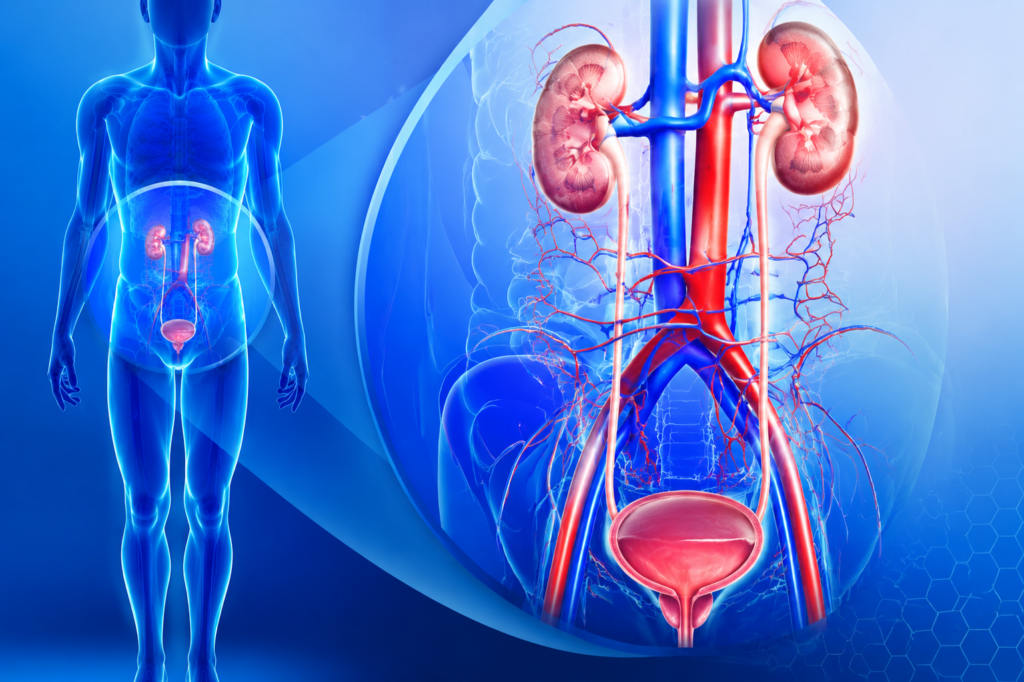
A uro-oncologist specializes in cancers affecting the urinary tract and male reproductive system, including:
Unlike a general urologist, a uro-oncologist focuses specifically on cancer diagnosis, staging, surgery, and long-term cancer management.
1. Look for Specialized Training in Uro-Oncology
One of the first things to check is the doctor’s qualifications.
An ideal uro-oncologist should have:
- MCh or DNB in Urology
- Fellowship training in Uro-Oncology
- Experience in managing urological cancers
- Ongoing involvement in advanced cancer care
Specialized fellowship training exposes doctors to complex cancer surgeries and evolving treatment techniques.
2. Experience with Your Specific Cancer
Not all urological cancers are the same.
Some specialists may have extensive experience treating:
- Prostate cancer
- Kidney tumors
- Bladder cancer
- Testicular cancer
Ask whether the doctor regularly manages patients with your specific diagnosis rather than only general urological conditions.
3. Expertise in Robotic and Minimally Invasive Surgery
Many urological cancers can now be treated using robotic-assisted or laparoscopic surgery.
These techniques may offer benefits such as:
- Smaller incisions
- Reduced blood loss
- Less postoperative pain
- Shorter hospital stay
- Faster recovery
If surgery is being considered, ask whether the specialist performs robotic procedures and how frequently they use these techniques. High-volume surgeons with dedicated robotic training often perform complex procedures such as robotic prostatectomy, partial nephrectomy, and radical cystectomy.
4. Choose a Doctor Associated with a Well-Equipped Hospital
Cancer treatment often requires more than surgery alone.
A comprehensive hospital should offer:
- Advanced imaging facilities
- Pathology services
- Radiation oncology
- Medical oncology
- Intensive care support
- Rehabilitation services
Having all these services under one roof helps coordinate treatment more efficiently.
5. Look for a Multidisciplinary Approach
Cancer treatment rarely involves just one doctor.
The best outcomes are often achieved when specialists work together, including:
- Uro-oncologists
- Medical oncologists
- Radiation oncologists
- Radiologists
- Pathologists
- Specialized nursing teams
This collaborative approach allows treatment plans to be tailored to each patient.
6. Ask About Treatment Options—Not Just Surgery
An experienced uro-oncologist should discuss all appropriate treatment options, which may include:
- Active surveillance
- Robotic surgery
- Open or laparoscopic surgery
- Chemotherapy
- Immunotherapy
- Targeted therapy
- Radiation therapy
Treatment recommendations should be based on your cancer stage, general health, and personal preferences—not a one-size-fits-all approach.
7. Communication Matters
Cancer treatment involves many important decisions.
Choose a specialist who:
- Explains your diagnosis clearly
- Discusses risks and benefits honestly
- Answers your questions patiently
- Encourages shared decision-making
Good communication helps patients feel more confident throughout treatment.
8. Review the Doctor’s Experience and Patient Outcomes
While no doctor can guarantee results, experience often matters.
You may consider asking about:
- Years of practice
- Types of urological cancers treated
- Experience with complex surgeries
- Experience in robotic-assisted procedures
Doctors who regularly manage high volumes of uro-oncology cases often develop greater expertise in handling challenging situations.
9. Consider Long-Term Follow-Up Care
Cancer treatment doesn’t end after surgery.
Follow-up care may include:
- Routine imaging
- Blood tests
- Cancer surveillance
- Monitoring for recurrence
- Lifestyle guidance
Choose a specialist who offers comprehensive long-term follow-up and support.
10. Choose Someone You Trust
Technical expertise is essential, but so is trust.
You should feel comfortable discussing:
- Your diagnosis
- Treatment options
- Side effects
- Recovery expectations
- Long-term concerns
A good doctor-patient relationship can make the treatment journey less stressful.
Why Patients Choose Dr. Varun Agarwal
When selecting a specialist, patients often look for experience, advanced surgical skills, and a personalized approach to cancer care.
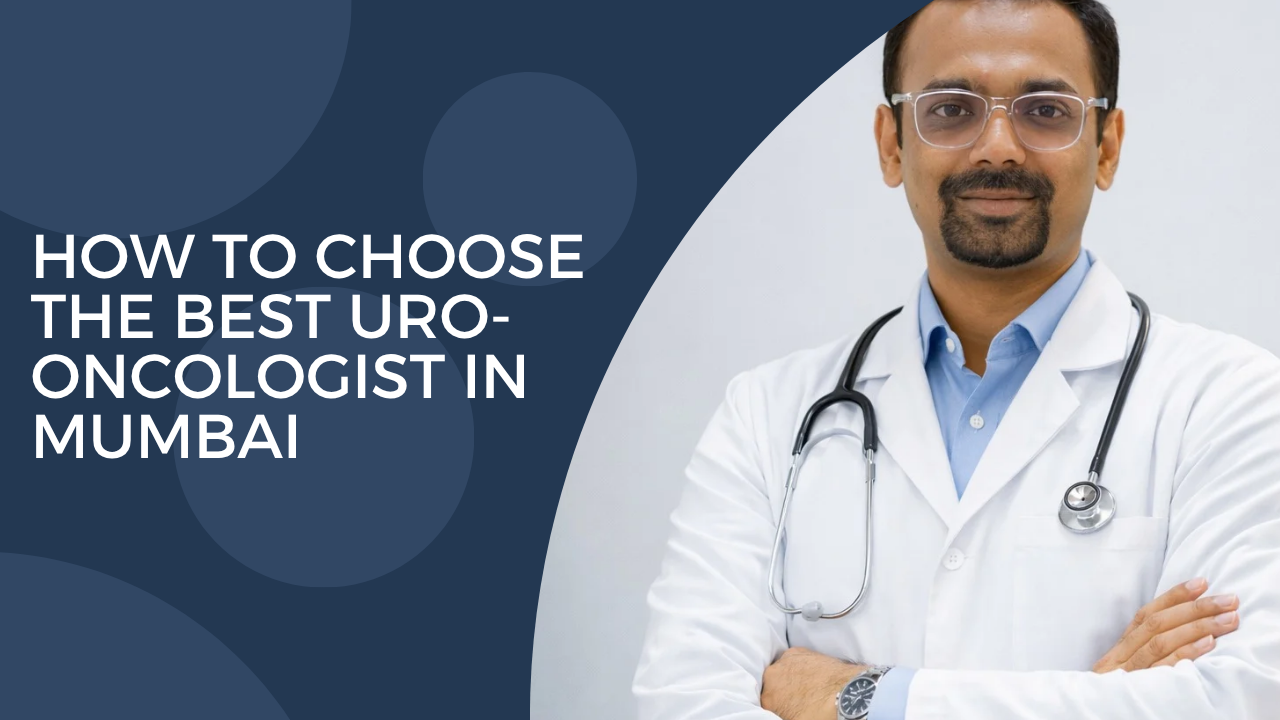
Dr. Varun Agarwal is an experienced uro oncologist in Mumbai with expertise in diagnosing and treating cancers of the:
- Kidney
- Bladder
- Prostate
- Testis
- Penis
- Adrenal gland
His approach focuses on:
- Comprehensive cancer evaluation
- Evidence-based treatment planning
- Robotic and minimally invasive surgery where appropriate
- Organ-preserving techniques whenever feasible
- Long-term patient follow-up and surveillance
Every treatment plan is tailored to the patient’s diagnosis, stage of disease, and overall health.
Questions to Ask During Your First Consultation
Before making a treatment decision, consider asking:
- What stage is my cancer?
- What treatment options are suitable for me?
- Is robotic surgery an option?
- Will I need chemotherapy, radiation, or immunotherapy?
- What are the expected benefits and risks?
- How long will recovery take?
- What follow-up care will I need?
These questions can help you better understand your condition and actively participate in your treatment plan.
Red Flags You Shouldn’t Ignore
Consider seeking a second opinion if:
- Your diagnosis is not clearly explained.
- You feel rushed into making treatment decisions.
- Different treatment options are not discussed.
- Your questions remain unanswered.
- There is no clear plan for follow-up care.
A second opinion is common in cancer care and can provide additional confidence before starting treatment.
Frequently Asked Questions (FAQs)
How is a uro-oncologist different from a urologist?
A urologist treats a wide range of urinary and male reproductive conditions, while a uro-oncologist specializes in diagnosing and treating cancers of the urinary tract and male reproductive organs.
When should I consult a uro-oncologist?
You should consult a uro-oncologist if you have been diagnosed with or are suspected to have kidney, bladder, prostate, penile, testicular, or adrenal cancer.
Is robotic surgery available for urological cancers in Mumbai?
Yes. Many specialized centres in Mumbai offer robotic-assisted surgery for selected patients with prostate, kidney, and bladder cancers.
Should I get a second opinion before cancer treatment?
Yes. Seeking a second opinion is common in cancer care and can help you better understand your diagnosis and treatment options.
Why is specialist experience important in uro-oncology?
Urological cancers often require complex decision-making and advanced surgical techniques. An experienced uro-oncologist is better equipped to recommend individualized treatment plans based on the type and stage of cancer.
Final Thoughts
Choosing the right specialist is one of the most important decisions you’ll make after a cancer diagnosis. Beyond qualifications, look for experience, access to advanced technology, clear communication, and a patient-focused approach.
If you’re searching for an experienced uro oncologist in Mumbai, Dr. Varun Agarwal offers comprehensive care for kidney, bladder, prostate, testicular, penile, and adrenal cancers. With expertise in advanced uro-oncology and minimally invasive surgical techniques, he focuses on delivering personalized treatment plans that prioritize both cancer control and quality of life.