
 by
Over the last decade, prostate cancer treatment has changed dramatically. One of the biggest advancements has been the rise of robotic-assisted surgery.
Today, many patients diagnosed with prostate cancer are exploring whether robotic surgery offers better outcomes than traditional procedures. Questions about recovery, side effects, and cost are common — and completely understandable.
The good news is that robotic-assisted surgery has helped make prostate cancer treatment more precise, less invasive, and easier to recover from for many patients. Modern robotic systems allow surgeons to operate with enhanced visualization, precision, and control, often resulting in smaller incisions and faster recovery.
If you’re considering robotic surgery for prostate cancer in Mumbai, understanding how the procedure works can help you make informed treatment decisions.
Understanding Prostate Cancer
The prostate is a small gland located below the bladder in men. Prostate cancer develops when abnormal cells begin growing inside this gland.
In many cases, prostate cancer grows slowly. However, some forms can become aggressive and spread beyond the prostate if not treated early.
Common signs may include:
- Frequent urination
- Difficulty passing urine
- Weak urine flow
- Blood in urine or semen
- Pelvic discomfort
Some patients may not experience symptoms in the early stages and are diagnosed through PSA testing or routine health checkups.
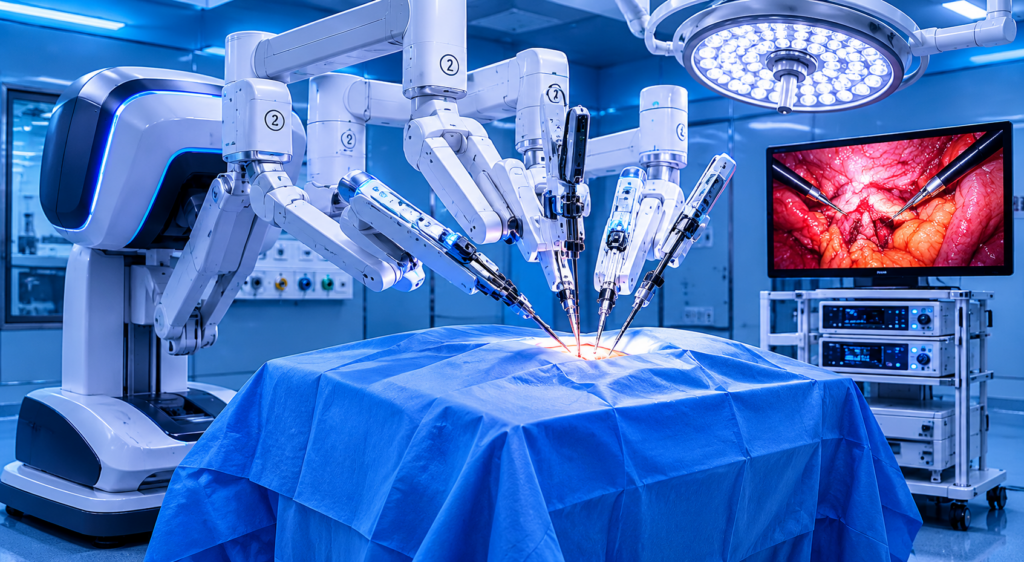
What Is Robotic Surgery for Prostate Cancer?
Robotic prostate surgery is a minimally invasive procedure used to remove the prostate gland affected by cancer.
Despite the name, the robot does not operate independently.
The surgeon controls robotic instruments using a computerized console that provides:
- Magnified 3D vision
- Greater surgical precision
- Better movement control inside small spaces
Robotic systems help surgeons perform complex prostate surgery with improved visualization and accuracy.
Why Robotic Surgery Became Popular
Traditional open surgery often required larger incisions and longer recovery times.
Robotic-assisted surgery changed that.
Modern robotic techniques are widely used because they can offer:
- Smaller cuts
- Less blood loss
- Reduced pain
- Faster recovery
- Shorter hospital stay
Studies and surgical experts have also highlighted improved visualization and surgical precision with robotic systems.
Key Benefits of Robotic Surgery
1. Smaller Incisions
Instead of one large incision, robotic surgery uses a few small keyhole incisions.
This generally means:
- Less visible scarring
- Reduced tissue damage
- Faster healing
2. Better Surgical Precision
The prostate sits in a very delicate area surrounded by nerves responsible for urinary control and sexual function.
Robotic systems provide surgeons with:
- Enhanced magnified vision
- Improved instrument movement
- Better precision in nerve preservation
This level of accuracy can help reduce complications.
3. Reduced Blood Loss
One major advantage of robotic-assisted surgery is reduced bleeding during the procedure.
Many patients experience:
- Lower transfusion requirements
- Faster postoperative recovery
4. Faster Recovery
Compared to traditional open surgery, robotic procedures often involve:
- Shorter hospital stay
- Earlier mobility
- Quicker return to daily activities
Research and clinical experience continue to show improved recovery trends with minimally invasive robotic approaches.
5. Improved Functional Recovery
One of the biggest patient concerns after prostate surgery is:
- Urinary control
- Erectile function
Advanced robotic techniques aim to preserve nerves and tissues more effectively.
Recent robotic innovations have shown encouraging outcomes for early recovery of urinary control and quality of life after surgery.
Is Robotic Surgery Suitable for Everyone?
Not always.
Doctors decide suitability based on:
- Stage of cancer
- PSA levels
- Tumor spread
- Overall patient health
- Previous medical history
Some patients may benefit more from radiation or other treatments instead of surgery.
This is why specialist evaluation is essential.
What Happens During the Procedure?
Robotic prostate surgery is usually performed under general anesthesia.
During surgery:
- Small incisions are created
- Robotic instruments are inserted
- The surgeon controls the robotic system from a console
- The prostate gland is carefully removed
The procedure may take several hours depending on complexity.
Recovery After Robotic Prostate Surgery
Recovery varies from patient to patient, but most individuals notice faster improvement compared to traditional open surgery.
Immediate Recovery
Patients may experience:
- Mild discomfort
- Temporary catheter placement
- Short hospital stay
Walking is usually encouraged early after surgery.
Recovery Over the Next Few Weeks
Most patients gradually resume:
- Normal walking
- Light daily activities
- Office work (depending on recovery)
Strenuous exercise is usually avoided temporarily.
Common Concerns Patients Have
“Will I lose urinary control?”
Temporary leakage can occur after surgery.
However, robotic techniques are designed to help preserve urinary function whenever possible
“Will surgery affect sexual function?”
Nerve-sparing robotic surgery may help preserve erectile function in suitable patients.
Recovery varies depending on:
- Age
- Baseline function
- Cancer stage
- Nerve involvement
“How painful is robotic surgery?”
Pain is generally less compared to traditional open surgery because the incisions are smaller.
Cost of Robotic Surgery in Mumbai
The cost of robotic cancer surgery in mumbai depends on several factors:
- Hospital infrastructure
- Complexity of surgery
- Surgeon expertise
- Length of hospital stay
In general, robotic surgery may cost more than conventional surgery due to advanced technology and equipment.
However, many patients consider the benefits worthwhile because of:
- Faster recovery
- Reduced complications
- Better precision
Why Choosing the Right Specialist Matters
Robotic surgery is highly technique-dependent.
The surgeon’s experience plays a major role in:
- Cancer control
- Recovery outcomes
- Complication rates
Patients often seek treatment from specialists like Dr. Varun Agarwal, known for expertise in advanced uro-oncology and minimally invasive surgical techniques.
As an experienced specialist in robotic surgery for prostate cancer in mumbai, he focuses on:
- Precision-based cancer surgery
- Personalized treatment planning
- Organ and nerve preservation whenever feasible
- Faster recovery-focused care
The Future of Prostate Cancer Surgery
Robotic surgery continues to evolve rapidly.
Newer techniques focus not only on removing cancer effectively but also improving long-term quality of life for patients.
Advancements in robotic technology are helping surgeons perform increasingly complex procedures with greater precision and patient comfort.
Frequently Asked Questions (FAQs)
Is robotic surgery better than open prostate surgery?
Robotic surgery often offers smaller incisions, reduced blood loss, and faster recovery compared to open surgery.
How long does recovery take after robotic prostate surgery?
Many patients recover faster than traditional surgery, though complete recovery varies individually.
Is robotic prostate surgery painful?
Pain is usually less severe because robotic surgery is minimally invasive.
Can prostate cancer return after robotic surgery?
Regular follow-ups are important because recurrence can occur depending on cancer stage and aggressiveness.
Is robotic surgery available in Mumbai?
Yes, advanced centers offering robotic cancer surgery in Mumbai provide robotic-assisted prostate cancer procedures.
Final Thoughts
Robotic-assisted surgery has transformed the treatment landscape for prostate cancer.
With enhanced precision, faster recovery, and minimally invasive techniques, it has become an important option for many patients diagnosed with localized prostate cancer.
The most important step, however, is choosing the right treatment plan based on accurate evaluation and expert guidance.If you are considering robotic surgery for prostate cancer in Mumbai, consulting an experienced specialist can help you understand whether this approach is right for your condition and recovery goals.