 by
A prostate cancer diagnosis can bring several decisions at once. If your doctor recommends surgery, one question may quickly come up: Is robotic surgery worth considering?
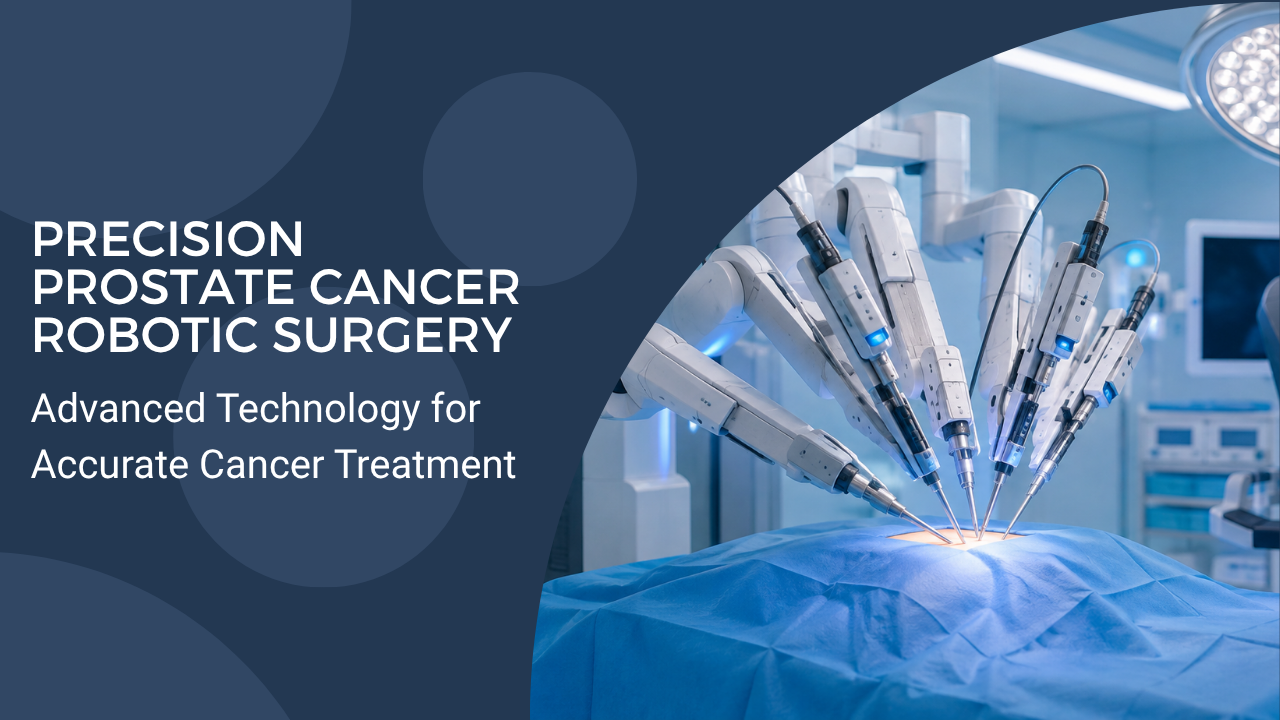
For many men with Prostate Cancer in India, da Vinci robotic surgery is now one of the surgical approaches available for removing the prostate. It uses small incisions and gives the surgeon a magnified view of an area where nerves, muscles, and blood vessels sit very close together.
And one point deserves to be clear from the beginning: the robot does not operate on its own. Your surgeon controls every movement.
Here is what you should know about how the procedure works, its practical benefits, recovery, costs in India, insurance, and how to decide whether it is right for you.
How the Da Vinci System Actually Works
The da Vinci system is a surgical tool controlled entirely by a trained surgeon.
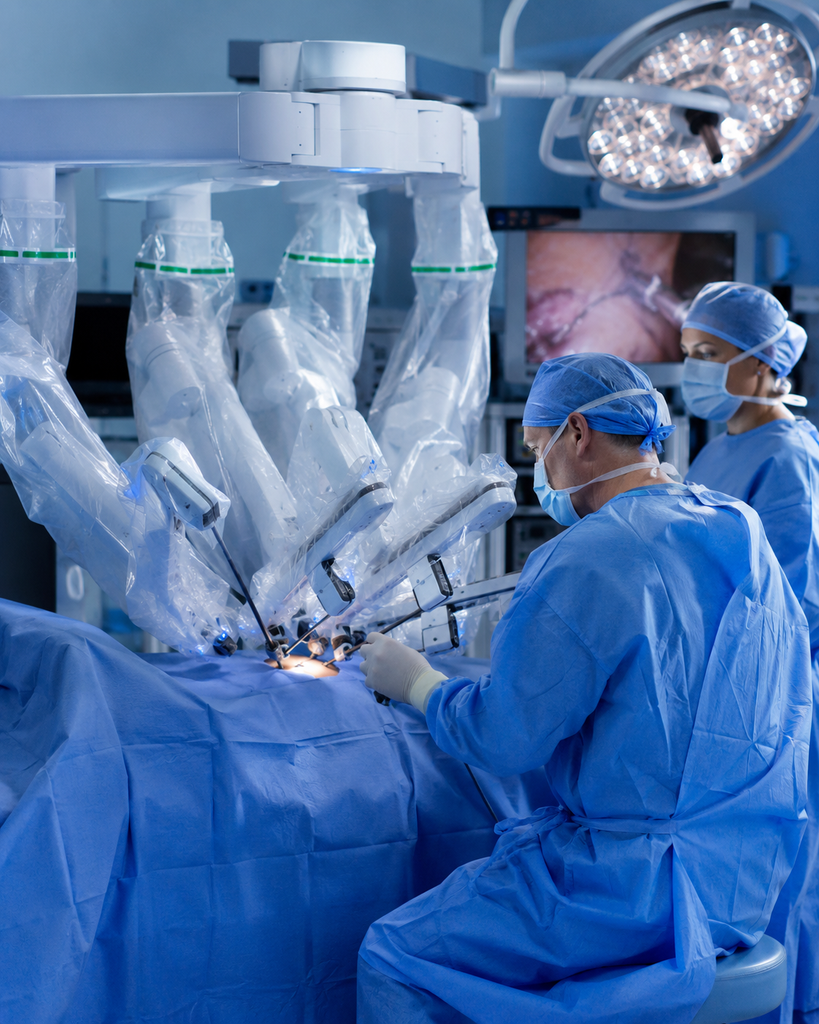
During robot-assisted radical prostatectomy, the surgeon sits at a console near the operating table. The system translates the surgeon’s hand movements into controlled movements of small instruments inside your body.
The surgeon removes the prostate gland and seminal vesicles. In selected cases, nearby lymph nodes may also need to be removed.
What does the robotic system add?
- A magnified three-dimensional view of the surgical area
- Small instruments that can move at different angles inside the pelvis
- Precise control while separating the prostate from surrounding tissues
- Small abdominal incisions instead of one large surgical incision
- Tremor filtering to support controlled instrument movement
This level of control matters because the prostate lies close to the bladder, urethra, rectum, urinary sphincter, and nerves involved in erections.
If you are considering Uro Oncology Robotic Surgery in Mumbai, focus not only on whether a hospital owns a robotic system. Ask who will perform your operation and how much experience that surgeon has with robotic prostatectomy.
What Can Robotic Surgery Mean for Your Recovery?
Patients rarely want to hear a list of technical specifications.
You probably want answers to more practical questions.
Will I have less pain? How long will I stay in the hospital? When can I return to my routine? What will happen to urinary and sexual function?
Here is where robotic surgery may offer practical benefits.
Less blood loss
Robotic prostatectomy is associated with lower blood loss than traditional open prostatectomy. This can also reduce the likelihood of needing a blood transfusion.
Smaller surgical wounds
Instead of one large incision, the surgeon operates through several small ports in the abdomen.
This can make wound recovery easier and support earlier movement after surgery.
Shorter hospital stay
Many patients can leave the hospital within a few days when their recovery is uncomplicated. Your actual discharge depends on your health, surgical findings, and the hospital’s postoperative protocol.
Potential for nerve preservation
The nerves involved in erectile function run very close to the prostate.
For suitable patients, the magnified view and precise movements available during robotic surgery can help the surgeon perform nerve-sparing dissection.
Nerve-sparing is not always safe or possible.
If cancer is close to or involving the nerves, complete cancer removal takes priority. Your age, erectile function before surgery, cancer location, and extent of disease also affect recovery.
Urinary control
Temporary urine leakage is common after radical prostatectomy, regardless of the surgical approach.
Many men gradually regain urinary control during recovery. Pelvic floor exercises may form part of rehabilitation.
The robotic system can support precise dissection and reconstruction, but it cannot guarantee immediate urinary control.
Who Should Consider Da Vinci Robotic Prostatectomy?
Not everyone diagnosed with prostate cancer needs surgery.
Some low-risk cancers can be monitored through active surveillance. Other men may be better suited to radiation therapy, hormone therapy, systemic treatment, or a combination of treatments.
Robotic radical prostatectomy may be considered when the cancer can be treated appropriately by surgically removing the prostate.
Your doctor will usually consider:
- PSA level
- Prostate biopsy findings
- Gleason score or Grade Group
- MRI or other imaging findings
- Cancer stage
- Your age
- General health and fitness for surgery
- Urinary and sexual function before treatment
- Personal treatment preferences
This is why choosing treatment for Prostate Cancer in India should start with proper cancer staging rather than choosing a technology first.
A consultation with an experienced Uro-Oncologist in Mumbai can help you compare surgery with other appropriate treatment options based on your individual cancer.
What Does Recovery Actually Look Like?
Knowing what happens after surgery can make the process easier to plan.
Before surgery
You may undergo blood tests, urine tests, imaging, anaesthesia assessment, and other investigations based on your medical condition.
Your surgeon will also discuss medications, fasting instructions, hospital admission, and what to expect after surgery.
Day of surgery
Robotic radical prostatectomy is performed under general anaesthesia.
The surgeon removes the prostate using robotic instruments controlled from the surgical console. Lymph nodes may also be removed when clinically required.
First few days
You will usually be encouraged to start walking soon after surgery.
Pain medicines and other supportive treatment are given as required. Your medical team monitors your urine output, wounds, bowel recovery, and general condition.
Going home with a catheter
This is one part patients should know about before surgery.
A urinary catheter is placed during the operation because the bladder must be reconnected to the urethra after the prostate is removed.
You may go home with the catheter still in place.
The catheter commonly remains for around one to two weeks, though the exact timing depends on healing and your surgeon’s protocol.
Your medical team will explain how to manage the catheter at home and when it can be removed.
Following weeks
Walking and light daily activities usually increase gradually.
Heavy lifting, strenuous exercise, driving, and sexual activity may need to wait until your surgeon clears you.
Your prostate pathology report will also become important at this stage. It tells your doctor about the final cancer grade, stage, margins, and other features.
PSA monitoring after surgery then becomes a key part of long-term follow-up.
How Much Does Robotic Prostate Cancer Surgery Cost in India?
Cost is a genuine concern, particularly because robotic surgery can cost more than conventional surgery.
There is no single fixed price for robotic prostatectomy across India.
Published online estimates often place robot-assisted prostatectomy at roughly ₹3 lakh to ₹5 lakh or more in private hospitals, but the actual amount can vary considerably by hospital, city, room category, complexity of surgery, length of admission, investigations, consumables, and surgeon fees.
For example, current published estimates for some hospitals in Pune place robot-assisted prostatectomy around ₹3 lakh to ₹4 lakh. These figures should only be treated as planning estimates because hospitals provide final quotations after evaluating the patient.
If you are exploring Uro Oncology Robotic Surgery in Mumbai, request a written estimate before admission.
Ask whether it includes:
- Surgeon and anaesthesia fees
- Robotic surgery charges and consumables
- Hospital room charges
- Operating theatre charges
- Medicines
- Laboratory tests
- Pathology
- Postoperative consultations
This gives you a much clearer picture than comparing a single advertised package price.
Will Health Insurance Cover Robotic Prostate Surgery?
Many patients assume robotic surgery will automatically be rejected because it uses advanced technology.
That is not necessarily the case.
IRDAI guidelines include robotic surgeries among modern treatment methods that health insurance policies should not exclude when medically indicated. At the same time, insurers can apply policy-specific sub-limits and other terms.
Your final coverage can depend on your sum insured, waiting periods, co-payment, sub-limits, network hospital status, and the specific terms of your policy. IRDAI also advises policyholders to check these restrictions and cashless hospital eligibility carefully.
Before scheduling surgery, send the treatment plan and cost estimate to your insurer or TPA and request pre-authorisation.
Government scheme eligibility, including Ayushman Bharat PM-JAY, should also be checked for the specific hospital and approved treatment package rather than assuming every robotic procedure will be covered.
Does Traveling to Mumbai for Robotic Surgery Make Sense?
Patients from smaller cities sometimes travel to metropolitan centres for robotic prostate cancer surgery.
Access to a robot alone should not determine that decision.
What matters is the complete prostate cancer programme.
Ask about the surgeon’s robotic prostatectomy experience, pathology support, intensive care facilities if required, rehabilitation, emergency contact after discharge, and follow-up planning.
If you travel for treatment, ask how long you should remain near the hospital after discharge.
You should also plan for catheter removal and the first postoperative review before booking your return journey.
For patients seeking a Uro-Oncologist in Mumbai, discussing these practical details during the first consultation can reduce unnecessary travel later.
FAQs About Da Vinci Robotic Surgery
1. How much does robotic prostate surgery cost in India?
Costs vary between hospitals. A broad private-hospital planning range may be around ₹3 lakh to ₹5 lakh or more. Ask the hospital for a personalised written estimate because the final amount depends on your treatment requirements.
2. Is robotic prostatectomy covered by health insurance?
Robotic surgery may be covered when medically indicated, but your policy can contain sub-limits, co-payment, waiting periods, and other conditions. Get pre-authorisation from your insurer before admission.
3. Does the robot perform the operation itself?
No. The surgeon controls the robotic system throughout the procedure. The robot does not independently decide where to cut or what tissue to remove.
4. How should I choose a robotic prostate cancer surgeon?
Look beyond technology. Ask about the surgeon’s training, number of robotic prostatectomies performed, experience with prostate cancer, nerve-sparing approach, complication management, and follow-up programme.
Dr. Varun V. Agarwal can evaluate whether robotic prostatectomy is appropriate based on the cancer stage, biopsy, imaging, overall health, and individual treatment priorities.
5. Can I travel by flight after robotic prostate surgery?
Do not plan your return flight based only on the expected discharge date. Your surgeon should assess your recovery first. Long-distance travel also requires planning around the catheter, mobility, blood-clot prevention, and follow-up.
Making the Right Decision for Prostate Cancer Treatment
Da Vinci robotic surgery has given surgeons another way to perform radical prostatectomy through small incisions with magnified vision and controlled instrument movement. For selected patients with Prostate Cancer in India, this can mean less blood loss, a shorter hospital stay, and a structured return to everyday activities.
The robot itself should never be the main reason to choose surgery. Cancer stage, surgeon experience, your general health, expected functional outcomes, cost, and follow-up matter just as much.
If you are considering Uro Oncology Robotic Surgery in Mumbai, discuss your biopsy, PSA, imaging, treatment alternatives, expected recovery, and financial considerations with an experienced specialist. Dr. Varun V. Agarwal can help assess these factors and determine whether robotic prostatectomy fits your individual prostate cancer treatment plan.